




Yoga unites body, mind, and soul. “Yuj,” which signifies unity or connection in Sanskrit, is where “yoga” comes from. Yoga seeks balance, self-awareness, and inner serenity through asanas, pranayama, dhyana, and yamas and niyamas.
Yoga has a thousand-year history. Its spiritual and philosophical roots are in ancient India. The Vedas, written between 1500 and 500 BCE, first mention yoga.
Patanjali’s Yoga Sutras in the second century BCE formalized yoga. This book explains yoga’s eight limbs. Different yoga schools and styles developed over time, emphasizing different characteristics and techniques.
Indian yogis Swami Vivekananda and Paramahansa Yogananda popularized yoga in the West in the late 19th and early 20th centuries. Since then, yoga has spread worldwide and become popular among people of all cultures.
Physical Benefits of Yoga
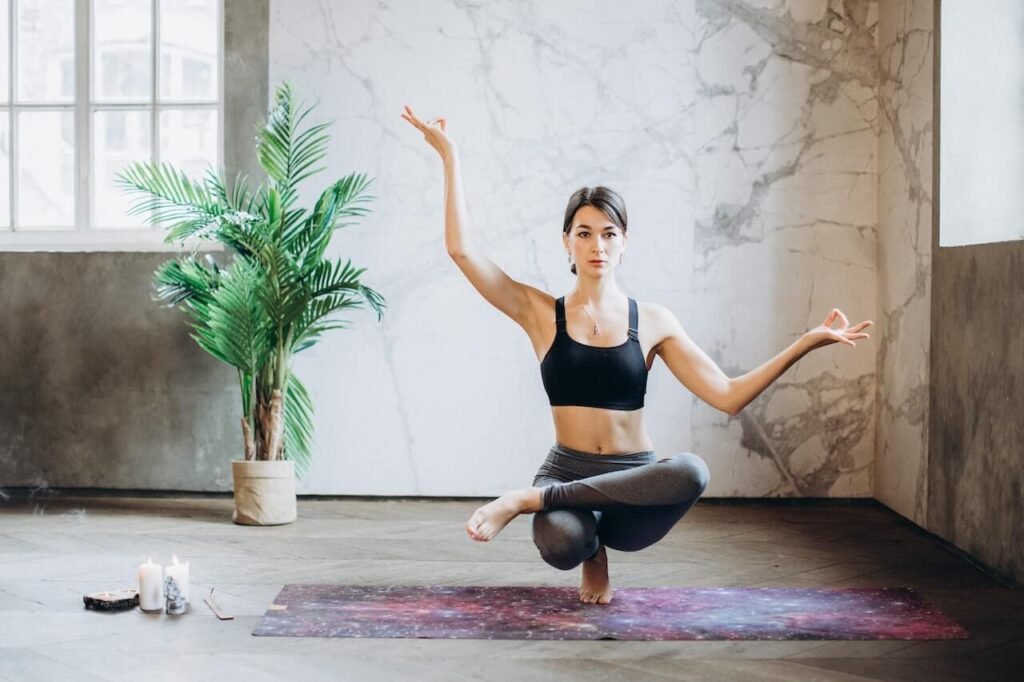
Increased Flexibility
Increased flexibility is one of the most well-known advantages of yoga. By stretching and lengthening muscles, tendons, and ligaments, regular practice of yoga asanas (postures) can increase flexibility. Having more mobility in your joints, reduced risk of injury, and improved posture are all benefits of becoming more flexible.
Improved Posture
Strengthening the muscles that support the spine and increasing awareness of one’s body are two ways in which yoga can help with poor posture. Correcting postural imbalances and relieving pressure on the neck, shoulders, and back are common benefits of practicing yoga. The benefits of good posture extend beyond the superficial to include a decreased likelihood of experiencing chronic pain or other musculoskeletal disorders.
Stronger Muscles and Bones
Muscles and bones can benefit from yoga because it is a weight-bearing workout. Muscular exertion, like that required to hold yoga poses, promotes muscle development and tones the muscles. Plank, warrior, and arm balance poses are great for building strength and stability since they focus on specific muscle groups. Yoga, like other weight-bearing workouts, can also increase bone density and lessen the likelihood of osteoporosis and related fractures.
Increased Endurance and Stamina
Yoga has been shown to increase stamina and endurance when practiced regularly. Yoga positions are generally held for several minutes at a time, which puts a strain on the body. In the long run, this has the potential to improve stamina and physical endurance.
Enhanced Balance and Coordination
Different balancing positions in yoga test the practitioner’s focus, core strength, and motor skills. Strengthening the muscles in the feet, legs, and core is one way that balancing poses like the tree pose and warrior III aid in the development of better balance. If you practice yoga regularly, you may find that your balance and coordination improve, allowing you to do more of the things you enjoy while lowering your risk of injury.
Better Joint Health
Yoga’s slow, deliberate stretches and movements are great for your joints. Practicing yoga on a regular basis can aid with joint health by increasing synovial fluid production and lubrication. In addition, it helps alleviate arthritis-related joint pain and stiffness.
Improved Respiratory Function
Pranayama, or yoga breathing, focuses on controlled, mindful breathing. These methods encourage deep, controlled breathing, which has been shown to increase oxygen delivery and decrease fatigue. Not only can better breathing aid in physical performance, but it also aids in stress management and promotes relaxation.
Mental Benefits of Yoga

Reduced Stress and Anxiety
Yoga’s capacity to calm anxious thoughts and feelings is a major psychological advantage. Yoga’s trifecta of physical exertion, breath regulation, and concentration induces a physiological reaction that calms the mind and lowers the stress hormone cortisol levels. Consistent yoga practice has been shown to reduce anxiety, increase resilience, and aid in the management of everyday stresses.
Improved Focus and Concentration
Concentration and focus are essential in yoga because the practice involves holding poses while breathing in and out in unison. Yoga’s emphasis on the present moment and sustained concentration assist develop a habit of attentive awareness. In the long run, practicing yoga can help you concentrate better in all aspects of your life, from work to relationships to parenting to meditation.
Increased Self-Awareness
Insight into oneself can be gained through the practice of yoga, which promotes introspection and self-examination. Yoga helps people tune in to their body, become more self-aware by allowing them to watch their thoughts and feelings without judgment, and improve their listening skills. Self-acceptance, self-confidence, and a deeper sense of one’s true self are all possible outcomes of this kind of introspection.
Enhanced Emotional Well-Being
Emotional health can benefit from practicing yoga. Endorphins are natural hormones that increase mood, and they are released in response to the practice of yoga postures and breathing practices. Depression, irritability, and mood swings are all reduced as a result of yoga’s positive effect on the autonomic nervous system. Emotional release and processing can take place in this kind and supportive environment.
Stress Management and Relaxation
Deep breathing, guided relaxation, and meditation are just some of the stress-reduction strategies incorporated into yoga. The parasympathetic nervous system is stimulated through these methods, leading to feelings of calm and relief from stress. The regular practice of yoga can provide its practitioners with techniques for dealing with stress, improving the quality of their sleep, and fostering an overall sense of well-being.
Improved Mental Clarity and Memory
Yoga’s trifecta of controlled breathing, physical exertion, and meditation has been shown to boost concentration and memory. The oxygen and nutrients brought to the brain by increased blood flow during yoga practice are beneficial to mental health. Yoga’s stress-reduction and relaxation benefits also aid in minimizing the mental clutter, increasing mental agility, and boosting general cognitive function.
Mind-Body Connection
As an exercise, yoga encourages participants to focus on both their physical and mental health simultaneously. Yoga promotes embodied consciousness through the integration of breath and movement and the focus on somatic sensations. When the mind and body are in sync, we experience more complete well-being.
Other Benefits of Yoga

Better Sleep Quality
Yoga has been shown to increase sleep quality and duration when practiced regularly. Yoga’s focus on relaxation and mindfulness might help you wind down for the night by easing mental and emotional tension and stress. In addition, there are a variety of yoga poses and sequences that might help you wind down for the night.
Improved Immune System
The immune system benefits from yoga practice as well. Yoga’s emphasis on physical movement, breath regulation, and relaxation all work together to boost the lymphatic system, which is crucial to the body’s immune response. If you practice yoga regularly, you may notice an improvement in your immune response and general well-being as a result of increased lymph circulation, increased flow of immune cells, and enhanced immune system performance.
Enhanced Overall Well-Being
To achieve optimal health on all levels, physical, mental, and spiritual, yoga must be practiced. Yoga’s positive effects on one’s health and happiness come from its emphasis on physical fitness, mental clarity, emotional stability, and self-awareness. It offers a set of methods and strategies that anyone may use to take control of their health, deal with adversity, and find happiness in life.
Increased Energy Levels
Yoga not only helps you unwind and de-stress, but it can also provide you a much-needed energy boost. Practicing yoga increases oxygen and blood flow to the body and mind through a combination of physical activity, deep breathing, and mindfulness. Consistent yoga practice has been shown to enhance energy levels and decrease weariness.
Pain Management
Yoga has been shown to reduce chronic pain and increase the body’s ability to tolerate discomfort. Some yoga positions and stretches can help relieve muscle tension, increase flexibility, and trigger the body’s natural painkillers, called endorphins. Yoga’s emphasis on relaxation and mindfulness also aids in re-framing one’s perspective on pain, lessening its hold on one’s quality of life.
Weight Management
Yoga is beneficial for maintaining a healthy weight and body composition when practiced regularly. Practicing yoga is a great way to get fit, trim down, and gain strength. In addition to aiding in weight management, practicing mindfulness while eating has been shown to improve mental health and body image.
Social Connection and Community
Many people find a sense of belonging and companionship at their local yoga studio or at a session. Group yoga sessions have been shown to increase feelings of community, mutual aid, and friendship among participants. Participating in a hobby with people who share your interests can improve your mood and sense of community.
Tips for Starting a Yoga Practice
Finding a Class or Instructor that Suits Your Needs
Finding a yoga class or instructor that works for you and supports your goals is essential when getting started. Discover which yoga studios or community centers in your area offer beginner lessons or free trial sessions.
Find teachers who are comfortable with working with novices and can offer you straightforward guidance and adjustments. Think about whether you prefer Hatha, Vinyasa, or Yin yoga, and experiment with different classes to discover your groove.
Investing in Quality Yoga Equipment
Although there isn’t a lot of gear needed for yoga, it’s worth it to get the basics in good shape. Props such as blocks, belts, and bolsters can aid with alignment and support when holding yoga postures, while a non-slip yoga mat gives stability and comfort.
Wearing loose, breathable clothes that don’t restrict mobility is also advised. It’s not necessary to go into debt to get high-quality gear that will last and make training more fun and secure.
Setting Realistic Goals and Expectations
Setting reasonable objectives and standards for one’s yoga practice is essential when getting started. Realize that developing your yoga skills takes time and persistence. Focus on your own path, and don’t bother comparing it to anyone else’s.
When you first begin training, start with shorter sessions and build up to longer ones as your body adjusts. Establish attainable objectives in accordance with your skill level, and be patient with yourself as you learn and grow in your practice.
Establishing a Consistent Practice
When first beginning a yoga routine, consistency is essential. Dedicate time to your practice every day, whether that’s first thing in the morning, last thing at night, or any other time of day. In the beginning, consistency is more important than intensity.
Ten to fifteen minutes of practice every day can make a difference. As your reliability improves, you can ramp up your practice time and intensity.
Listening to Your Body
Listen to your body and respect its limitations; yoga is a discipline of self-awareness. Listen to how your body responds to each practice and how it feels afterward. Don’t force oneself into unpleasant or painful positions.
Instead, you should work toward a compromise between difficulty and ease. Always make sure you’re comfortable and secure before trying new stances. You should talk to a doctor before beginning a yoga practice if you have any preexisting conditions or injuries.
Practicing Mindfulness and Breath Awareness
Yoga emphasizes concentration and a heightened awareness of the breath. Practice mindfulness by tuning in to the here and now and keeping a nonjudgmental eye on your internal experiences (thoughts, feelings, and bodily sensations).
Focus on your breathing as a way to ground yourself in the present moment during practice. Calming the mind and relaxing the body both benefit from deep, complete breaths. The mind-body connection can be strengthened by bringing attention to the breath.
Seeking Guidance and Support
Getting started with yoga can be daunting, but know that you are supported. When in doubt, ask for help. Don’t be shy about asking your instructor for help if you’re confused about a position or technique.
Join a local yoga group or connect with other yogis online to learn from one another and be inspired. If you’re looking for individualized instruction, a yoga mentor or private instructor may be the way to go.