

Meltingly smooth and little smokey, provolone is a well-liked Italian cheese. It has a moderately hard consistency and a flavor that can go from mild to harsh.
When cooked with, provolone melts nicely and imparts tremendous flavor to whatever it’s paired with. Let’s examine the nutritional content of provolone cheese more closely.
Calories and Macronutrients of Provolone Cheese
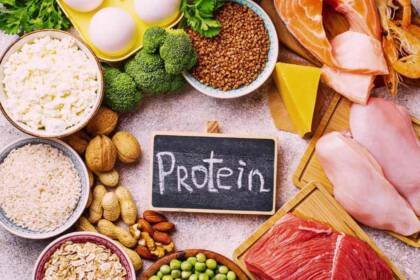
About 104 calories can be found in a single ounce of provolone cheese. Fat and protein are the primary sources of energy. The macronutrient breakdown of 1 ounce of provolone is as follows:
- Fat: 8 grams
- Protein: 7 grams
- Carbohydrates: 1 gram
Provolone, like most cheeses, has a high fat content and a low carbohydrate content. Saturated fatty acids make up the bulk of provolone’s fat content. Provolone cheese has a high protein content per serving. Protein can aid in satiety, or the feeling of fullness after eating.
Vitamins and Minerals
Many essential vitamins and minerals can be found in provolone cheese. A 1-ounce serving of provolone contains the following important micronutrients:
- Calcium: 200 mg (20% DV)
- Phosphorus: 105 mg (11% DV)
- Sodium: 230 mg (10% DV)
- Zinc: 0.75 mg (5% DV)
- Vitamin A: 195 IU (4% DV)
- Vitamin B12: 0.3 mcg (5% DV)
- Riboflavin: 0.1 mg (8% DV)
- Niacin: 0.1 mg (4% DV)
Bone health is supported by the calcium and phosphorus included in provolone. Zinc, B12, riboflavin, and niacin are all abundant in it as well. However, one ounce of provolone has roughly 10% of the daily value for sodium.
Fat Profile
Saturated fat makes up the bulk of provolone cheese’s total fat content. Approximately 5.5 grams of saturated fat, or over 25% of the daily value, may be found in a single ounce serving. When taken in large quantities, saturated fat is associated with elevated levels of “bad” LDL cholesterol.
Monounsaturated fat, which is roughly 2 grams per serving, is also included in provolone. When saturated fats in the diet are swapped out for monounsaturated fats, the result is a reduction in LDL cholesterol, which is good for the heart.
Last but not least, provolone includes some omega-3 and omega-6 fatty acids in very small quantities. There are 25 milligrams of omega-3s and 95 milligrams of omega-6s in a single meal. Provolone lacks some necessary fatty acids that perform crucial roles in the body.
Health Benefits
Here are some of the top health benefits associated with eating provolone cheese:
- Strong bones: Bone mineral density is increased, and the risk of osteoporosis is lowered, by the high calcium content of provolone.
- Muscle function: Provolone is a complete protein since it contains all nine of the amino acids the body needs to maintain healthy muscle.
- Satiety: Provolone, with to its high protein and fat content, makes you feel fuller for longer than carb-heavy fare. Overeating could be avoided.
- Brain health: Vitamin B12, which is found in provolone, is essential for healthy development and maintenance of the nervous system.
- Heart health: Provolone’s monounsaturated fat is good for your cholesterol levels if you eat it in moderation.
Potential Downsides
You should also be aware of the potential drawbacks of consuming provolone cheese:
- High in sodium: The sodium content can exacerbate high blood pressure in salt-sensitive individuals.
- High in saturated fat: Going overboard on provolone can increase LDL cholesterol levels.
- Lactose content: Provolone contains trace amounts of lactose that may cause issues for those with lactose intolerance.
- Weight gain: While provolone can increase satiety, any food consumed in excess can contribute to weight gain. Portion control is key.
Tips for Enjoying Provolone
Here are some delicious ways to incorporate provolone cheese into your diet:
- Grilled provolone sandwiches
- Provolone stuffed mushrooms
- Baked pasta dishes like lasagna or ziti
- Cheese boards with fruits, nuts, and cured meats
- Salads topped with provolone chunks or shavings
- Omelets, frittatas, or scrambled eggs with melted provolone
- Pizza with provolone instead of mozzarella
- Panini sandwiches with provolone, tomatoes, and basil
- Cheese and charcuterie platters
Provolone’s smokey, tart flavor makes it a culinary workhorse. When compared to other cheeses, provolone holds up well when grilled at high temperatures.
Selecting and Storing Provolone
When shopping for provolone, you can choose from:
- Mild provolone: Buttery, delicate flavor
- Aged provolone: Sharper, more pungent and crumbly texture
- Smoked provolone: Smokey, robust flavor
- Low moisture vs. high moisture: Determines firmness
Provolone should be stored in the refrigerator, either in its original packing or an airtight container. It has a refrigerator life of about two months. Provolone can be frozen and kept for up to 6 months if handled properly.
Conclusion
In conclusion, provolone is an Italian cheese that is rich in flavor and provides significant nourishment in every meal. Among its many beneficial components include protein, calcium, and other essential minerals.
However, it contains a lot of sodium and saturated fat. Provolone cheese can be included in a healthy diet and lifestyle when consumed in moderation.
It’s suggested to consume no more than 1–2 ounces each day to control your calorie, fat, and sodium intake. Eat provolone as part of a balanced meal that also includes plenty of vegetables, fruits, and whole grains.
- USDA FoodData Central: https://fdc.nal.usda.gov/fdc-app.html#/food-details/171249/nutrients
- SELF Nutrition Data: https://nutritiondata.self.com/facts/dairy-and-egg-products/75/2
- MyFoodData: https://www.myfooddata.com/articles/high-nutrition-cheeses.php
- Medical News Today: https://www.medicalnewstoday.com/articles/324368