



Salads have earned a reputation as one of the healthiest meals you can eat, but not every salad is equally nutritious.
A bowl of lettuce topped with processed meats, fried toppings, and sugary dressing can quickly lose its health benefits.
On the other hand, choosing ingredients rich in anti-inflammatory nutrients can transform a simple salad into a meal that supports your heart, brain, immune system, and overall well-being.
Chronic inflammation has become a growing health concern. Unlike short-term inflammation, which helps your body heal after an injury or infection, chronic inflammation can quietly damage tissues over time.
Researchers have linked it to heart disease, type 2 diabetes, arthritis, obesity, Alzheimer’s disease, and certain types of cancer.
Fortunately, your daily diet plays a major role in controlling inflammation.
Foods rich in omega-3 fatty acids, antioxidants, fiber, and plant compounds help your body combat oxidative stress and reduce inflammatory responses naturally.
If you’re looking to build a healthier salad, three ingredients deserve a permanent spot in your bowl: walnuts, fatty fish, and beans. Here’s why they stand out.
What Makes a Food Anti-Inflammatory?
Anti-inflammatory foods contain nutrients that help reduce harmful inflammation while protecting cells from oxidative stress caused by free radicals.
Many of these foods are staples of the Mediterranean diet, one of the world’s most researched eating patterns for longevity and heart health.
Some of the most effective anti-inflammatory nutrients include:
- Omega-3 fatty acids
- Polyphenols
- Antioxidants
- Dietary fiber
- Vitamins C and E
- Plant-based phytochemicals
When eaten regularly as part of a balanced diet, these nutrients may help reduce the risk of chronic diseases while supporting healthy aging.
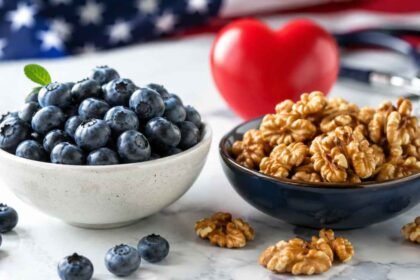
1. Walnuts: A Heart-Healthy Crunch Packed With Omega-3s
Among all nuts, walnuts are one of the best anti-inflammatory foods you can add to a salad.
Unlike most nuts, walnuts are an excellent source of alpha-linolenic acid (ALA), a plant-based omega-3 fatty acid.
According to the National Institutes of Health, one ounce of walnuts provides approximately 0.76 grams of ALA, making them one of the richest plant sources available.
ALA has been associated with reduced inflammation, improved heart health, and lower cardiovascular disease risk.

Why Walnuts Help Fight Inflammation
Research suggests that omega-3 fatty acids help decrease the production of inflammatory compounds inside the body. Regular walnut consumption has also been linked with:
- Lower inflammation markers
- Better cholesterol levels
- Improved blood vessel function
- Reduced LDL (“bad”) cholesterol
- Improved brain health
- Better heart health
Walnuts also provide vitamin E, magnesium, copper, manganese, and powerful antioxidants called polyphenols that protect cells from oxidative damage.
How to Add Walnuts to Your Salad
Walnuts pair well with many vegetables and fruits. Try combining them with:
- Spinach
- Mixed greens
- Kale
- Apples
- Pears
- Blueberries
- Strawberries
- Goat cheese
- Feta cheese
Lightly toasting walnuts before adding them enhances both their flavor and texture.
Recommended Serving
Aim for about one ounce (roughly a handful) per serving. This provides healthy fats without adding excessive calories.
2. Fatty Fish: One of the Best Sources of Omega-3 Fatty Acids
If you’re trying to create a satisfying anti-inflammatory salad, grilled fatty fish is one of the smartest additions you can make.
Salmon, tuna, sardines, trout, and mackerel are rich in two long-chain omega-3 fatty acids:
- EPA (Eicosapentaenoic Acid)
- DHA (Docosahexaenoic Acid)
Unlike plant-based ALA, EPA and DHA are readily used by the body and have been extensively studied for their anti-inflammatory benefits.

Health Benefits of EPA and DHA
Research has found these omega-3 fats may help:
- Reduce chronic inflammation
- Lower triglyceride levels
- Improve insulin sensitivity
- Support healthy blood pressure
- Reduce oxidative stress
- Improve liver health
- Promote brain function
- Lower heart disease risk
Oxidative stress occurs when harmful free radicals outnumber the body’s antioxidants. Over time, this imbalance damages cells and contributes to inflammation. EPA and DHA help protect against this damage.
People with inflammatory conditions such as rheumatoid arthritis have also shown improvements in symptoms after increasing omega-3 intake.
Best Fish for Anti-Inflammatory Salads
Excellent options include:
- Wild salmon
- Albacore tuna
- Sardines
- Rainbow trout
- Atlantic mackerel
Grilling or baking fish preserves its nutritional value while avoiding unnecessary unhealthy fats from deep frying.
Easy Salad Ideas
Pair grilled salmon with:
- Spinach
- Avocado
- Cherry tomatoes
- Cucumbers
- Walnuts
- Olive oil
- Lemon juice
The result is a balanced meal rich in protein, healthy fats, vitamins, and antioxidants.
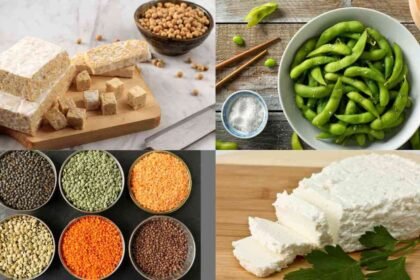
3. Beans: Fiber-Rich Plant Power Against Inflammation
Beans are among the most underrated superfoods available.
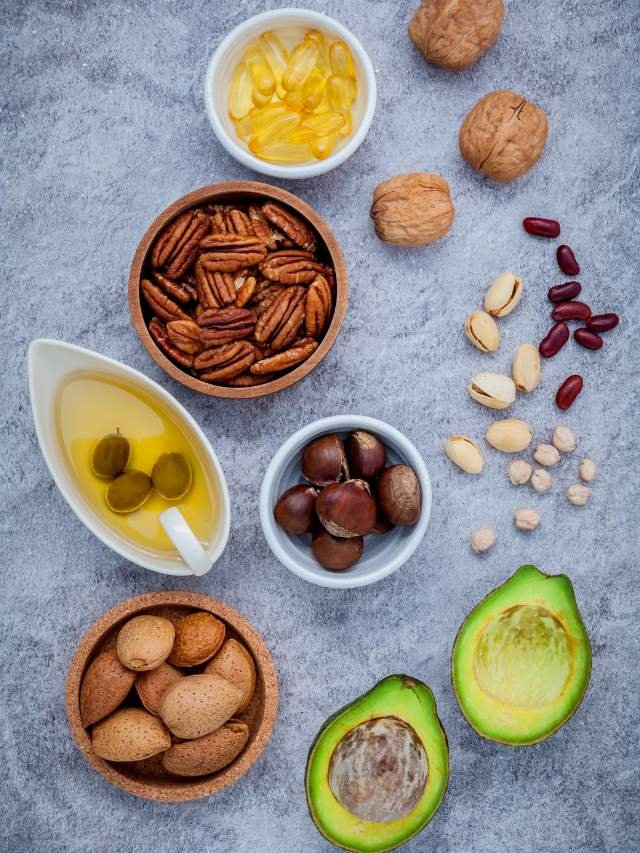
Kidney beans, black beans, chickpeas, navy beans, pinto beans, and small red beans are loaded with nutrients that support overall health while helping reduce inflammation.
Legumes contain beneficial plant compounds including:
- Polyphenols
- Peptides
- Saponins
- Flavonoids
- Resistant starch
These naturally occurring compounds act as antioxidants that help neutralize free radicals before they damage healthy cells.

Why Beans Are So Healthy
Regular bean consumption has been associated with:
- Lower inflammation
- Better blood sugar control
- Reduced cholesterol
- Improved digestive health
- Greater feelings of fullness
- Lower obesity risk
- Improved gut microbiome
The high fiber content also feeds beneficial gut bacteria. A healthier gut microbiome has been linked with lower levels of chronic inflammation throughout the body.
Best Beans for Salads
Some excellent choices include:
- Black beans
- Kidney beans
- Small red beans
- Chickpeas
- Cannellini beans
- Navy beans
Adding multiple varieties creates a colorful, nutrient-rich salad packed with protein and fiber.
Other Anti-Inflammatory Ingredients Worth Adding
While walnuts, fatty fish, and beans are outstanding choices, several other ingredients can make your salad even healthier.
Leafy Greens
Spinach, kale, Swiss chard, and arugula provide vitamins A, C, and K along with antioxidants that help reduce inflammation.
Extra Virgin Olive Oil
A drizzle of extra virgin olive oil supplies healthy monounsaturated fats and oleocanthal, a natural compound with anti-inflammatory properties similar to mild pain-relieving medications.
Avocados
Rich in healthy fats, potassium, fiber, and antioxidants, avocados support heart health and reduce oxidative stress.
Tomatoes
Tomatoes contain lycopene, a powerful antioxidant associated with lower inflammation and improved cardiovascular health.
Colorful Vegetables
Bell peppers, carrots, cucumbers, broccoli, onions, and red cabbage provide vitamins, minerals, and plant compounds that help protect against inflammation.
Seeds
Flaxseeds, chia seeds, sunflower seeds, and pumpkin seeds provide fiber, minerals, and additional omega-3 fatty acids.
Berries
Blueberries, strawberries, raspberries, and blackberries are packed with anthocyanins—powerful antioxidants known to combat inflammation.
Foods That Can Make a Healthy Salad Less Healthy
Not every salad ingredient supports an anti-inflammatory diet.
Try limiting:
- Fried chicken
- Bacon bits
- Processed deli meats
- Croutons made with refined flour
- Creamy, high-sugar dressings
- Candied nuts
- Excess cheese
- Crispy fried toppings
Instead, use homemade dressings with olive oil, lemon juice, vinegar, herbs, garlic, and black pepper.
A Simple Anti-Inflammatory Salad Recipe
Here’s an easy recipe packed with inflammation-fighting ingredients.
Ingredients
- 2 cups spinach
- 1 cup mixed greens
- 3 ounces grilled salmon
- ¼ cup walnuts
- ½ cup black beans
- Cherry tomatoes
- Cucumber slices
- Avocado
- Red onion
- Olive oil
- Lemon juice
- Black pepper
This meal delivers protein, healthy fats, fiber, vitamins, minerals, and antioxidants in one satisfying bowl.
Frequently Asked Questions
What foods reduce inflammation the fastest?
Foods rich in omega-3 fatty acids, antioxidants, and fiber, including salmon, walnuts, beans, berries, leafy greens, and extra virgin olive oil, are among the best dietary choices for reducing inflammation over time.
Are walnuts better than almonds for inflammation?
Both are nutritious, but walnuts contain significantly more omega-3 ALA, making them particularly beneficial for supporting the body’s natural anti-inflammatory processes.
Is eating salad every day healthy?
Yes. Eating a well-balanced salad daily can increase your intake of vegetables, fiber, vitamins, minerals, and antioxidants. Just be mindful of processed toppings and high-calorie dressings.
Which fish has the most omega-3?
Salmon, sardines, mackerel, trout, and herring are among the richest natural sources of EPA and DHA omega-3 fatty acids.
Can beans reduce inflammation?
Research suggests that beans contain fiber, polyphenols, antioxidants, and other bioactive compounds that may help lower inflammation while supporting heart, digestive, and metabolic health.
Key Takeaways
If you’re trying to eat healthier, improving your salad is one of the simplest changes you can make.
Adding walnuts, fatty fish, and beans transforms an ordinary salad into a nutrient-packed meal rich in omega-3 fatty acids, fiber, antioxidants, and plant compounds that help combat chronic inflammation.
Pair these ingredients with leafy greens, colorful vegetables, extra virgin olive oil, avocado, and berries to maximize both nutrition and flavor.
At the same time, limiting processed meats, fried toppings, and sugary dressings can further enhance your salad’s health benefits.
While no single food can eliminate inflammation on its own, consistently choosing anti-inflammatory ingredients as part of a balanced lifestyle may support better heart health, improved blood sugar control, healthier joints, and overall wellness.
Small changes to your everyday meals can have a meaningful impact over the long term.