



Bananas are one of the world’s most popular fruits, but they’ve also become one of the most misunderstood, especially among people with diabetes or prediabetes.
Many people avoid bananas altogether because they believe the fruit contains too much sugar. However, the truth is more nuanced.
The way you eat a banana, its ripeness, and the portion size all play an important role in determining its impact on blood sugar.
Bananas are packed with nutrients that support overall health, including potassium, vitamin B6, vitamin C, magnesium, and dietary fiber.
They also contain natural carbohydrates that provide a steady source of energy.
Rather than eliminating bananas from your diet, learning how to eat them strategically can help you enjoy their health benefits while keeping your blood glucose levels more stable.
Recent research has shown that factors such as resistant starch, dietary fiber, and the glycemic index of bananas can influence how quickly sugar enters the bloodstream.
Choosing a slightly green banana, eating fresh instead of dried bananas, and controlling portion sizes are simple yet effective habits that may help reduce blood sugar spikes.
In this article, we’ll explore 3 science-backed ways to eat bananas for better blood sugar control, explain why banana ripeness matters, compare fresh and dried bananas, and share practical tips that can help people with diabetes, prediabetes, or anyone looking to maintain healthier blood sugar levels.
Why Do Bananas Affect Blood Sugar?
Every banana contains carbohydrates, which are broken down into glucose during digestion.
Glucose is your body’s primary source of energy, but consuming carbohydrates too quickly can cause blood sugar levels to rise rapidly.
Fortunately, bananas also contain dietary fiber and resistant starch, two nutrients that slow digestion and reduce how quickly glucose enters the bloodstream. The amount of these nutrients changes as a banana ripens.
As bananas turn from green to yellow and eventually develop brown spots, much of their resistant starch is converted into natural sugars.
This makes ripe bananas taste sweeter, but it also means they may raise blood sugar faster than less-ripe bananas.
That doesn’t mean ripe bananas are unhealthy. Instead, understanding how ripeness changes their nutritional profile allows you to make smarter choices based on your health goals.
Banana Nutrition: A Healthy Fruit With Plenty of Benefits
A medium-sized banana provides much more than natural sweetness.
It contains a wide range of vitamins and minerals that support heart health, muscle function, digestion, and immune health.
A medium banana typically contains:
- Around 105 calories
- Approximately 27 grams of carbohydrates
- About 3 grams of dietary fiber
- Around 14 grams of natural sugar
- More than 400 mg of potassium
- Vitamin B6
- Vitamin C
- Magnesium
- Small amounts of antioxidants
Potassium helps regulate blood pressure and supports normal muscle and nerve function.
Vitamin B6 plays an important role in brain health and metabolism, while fiber supports digestive health and may improve blood sugar control.
For most healthy people, bananas are an excellent addition to a balanced diet.
Even individuals with diabetes can often include bananas as part of their meal plan when eaten in appropriate portions.
Understanding Glycemic Index vs. Glycemic Load
When discussing blood sugar, two important concepts often come up: the Glycemic Index (GI) and Glycemic Load (GL).
The Glycemic Index measures how quickly a food raises blood glucose after eating. Foods with a lower GI generally cause a slower rise in blood sugar than foods with a higher GI.
Green or slightly unripe bananas have a lower GI because they contain more resistant starch and fiber.
Fully ripe bananas have a moderately higher GI because much of the resistant starch has already been converted into natural sugars.
Glycemic Load goes one step further by considering both the quality and quantity of carbohydrates in a serving. This is why portion size matters just as much as choosing the right banana.
For example, eating half of a medium banana will generally have a smaller impact on blood sugar than eating two large ripe bananas at once.
Understanding both GI and GL helps you make better food choices without unnecessarily avoiding nutritious fruits like bananas.

1. Eat Bananas Before They Become Fully Ripe
One of the easiest ways to reduce the blood sugar impact of bananas is to eat them while they’re still slightly green rather than waiting until they become heavily spotted and very sweet.
Green bananas contain significantly more resistant starch than ripe bananas. Resistant starch behaves differently from ordinary carbohydrates because it passes through the small intestine without being fully digested.
Instead, it reaches the large intestine, where beneficial gut bacteria ferment it into compounds known as short-chain fatty acids.
These compounds may support gut health, reduce inflammation, improve insulin sensitivity, and help slow the release of glucose into the bloodstream.
Research has suggested that resistant starch may slightly improve fasting blood sugar levels and reduce Hemoglobin A1C, a marker that reflects average blood sugar levels over the previous two to three months.
While resistant starch isn’t a cure for diabetes, incorporating foods rich in it may become one helpful part of an overall healthy eating plan.
Dietary fiber found in green bananas also slows stomach emptying. Because digestion occurs more gradually, glucose enters the bloodstream at a slower rate, helping prevent sudden blood sugar spikes after meals.
Another advantage is that green bananas tend to be more filling.
The combination of fiber and resistant starch promotes satiety, which may reduce unnecessary snacking throughout the day and support healthy weight management.
Tips for Eating Green Bananas
- Choose bananas that are green with just a little yellow.
- Slice them into oatmeal for extra fiber.
- Blend frozen green banana pieces into smoothies without adding sugar.
- Pair them with healthy fats like peanut butter or almonds.
- Add sliced bananas to plain Greek yogurt for a balanced snack.
2. Choose Fresh or Frozen Bananas Instead of Dried
Fresh bananas and frozen bananas are generally better choices for blood sugar management than dried bananas.
Although dried bananas may seem like a healthy snack, removing water dramatically concentrates their natural sugars.
A small handful of dried banana pieces can contain as much sugar as several bites of fresh banana while being much easier to overeat.
Because dried fruit contains less water and a higher concentration of carbohydrates, sugar is absorbed more quickly, increasing the likelihood of a rapid rise in blood glucose.
Many commercially available dried banana chips present an even bigger problem. Instead of simply being dried, they are often fried in oil and coated with added sugar or syrup, significantly increasing their calorie, fat, and sugar content.
Fresh bananas naturally contain water, which adds volume and helps you feel fuller after eating.
Frozen bananas offer similar nutritional benefits while making an excellent ingredient for smoothies or healthy desserts without requiring added sweeteners.
If you enjoy frozen bananas, simply peel ripe or slightly green bananas, slice them into small pieces, and freeze them.
They can then be blended into creamy smoothies or enjoyed as a naturally sweet frozen snack.
Choosing fresh or frozen bananas instead of dried varieties is a simple change that may help reduce sugar intake while still allowing you to enjoy all the vitamins, minerals, and fiber bananas provide.
3. Keep Your Portions Small and Balanced
Even healthy foods can affect blood sugar if you eat too much at one time. Bananas are no exception.
While they provide valuable nutrients, they also contain carbohydrates that should be considered, especially for people with diabetes or prediabetes.
The American Diabetes Association recommends paying attention to portion sizes when eating fruit.
For bananas, half of a medium banana is generally considered one serving of carbohydrates (about 15 grams).
Eating a smaller portion allows you to enjoy the fruit’s nutritional benefits while minimizing the risk of a significant blood sugar spike.
Another helpful strategy is to avoid eating bananas on their own.
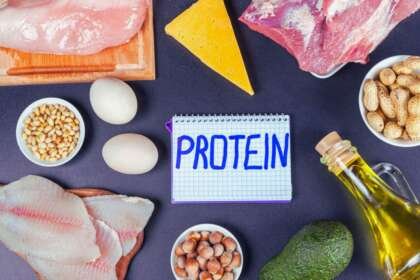
Combining carbohydrates with protein, healthy fats, or additional fiber slows digestion and helps create a steadier release of glucose into the bloodstream.
Everyone responds differently to carbohydrates depending on factors such as age, activity level, medications, and overall health.
If you use a continuous glucose monitor (CGM) or regularly check your blood sugar, you may find it helpful to observe how different banana portions affect your individual readings.
Best Foods to Pair With Bananas for Better Blood Sugar Control
Pairing bananas with foods rich in protein, healthy fats, or fiber can help slow carbohydrate absorption and improve satiety.
Some excellent pairings include:
- Natural peanut butter or almond butter for healthy fats and protein.
- Plain Greek yogurt for protein and probiotics that support gut health.
- A handful of walnuts or almonds to add healthy fats and fiber.
- Chia or flaxseeds to boost fiber and omega-3 fatty acids.
- Cottage cheese for a high-protein snack.
- Rolled oats for a fiber-rich breakfast.
- Unsweetened protein smoothies with frozen banana, spinach, and Greek yogurt.
These combinations create a more balanced snack and may reduce rapid increases in blood glucose compared with eating a banana alone.
Common Mistakes That Can Cause Blood Sugar Spikes
Many people unknowingly make choices that increase the blood sugar impact of bananas.
Eating Overripe Bananas
Very ripe bananas contain more readily available natural sugars because much of the resistant starch has already converted into sugar.
Drinking Sweetened Banana Smoothies
Store-bought smoothies often include fruit juice, flavored yogurt, syrups, or ice cream, dramatically increasing sugar content.
Choosing Sweetened Banana Chips
Many packaged banana chips are fried and coated with added sugar, making them far less healthy than fresh bananas.
Eating Large Portions
Two or three bananas at one sitting can provide a large amount of carbohydrates, increasing blood sugar much more than a smaller serving.
Ignoring Nutrition Labels
Packaged snacks containing bananas may also contain added sugars, refined grains, or sweeteners. Always read the nutrition facts and ingredient list.
Who Should Be More Careful When Eating Bananas?
Although bananas are nutritious, some people should pay closer attention to how they include them in their diet.
These include:
- People with Type 1 diabetes
- People with Type 2 diabetes
- Individuals with prediabetes
- People following low-carbohydrate eating plans
- Individuals trying to lose weight while managing insulin resistance
For most healthy adults, bananas remain a nutritious fruit that can be enjoyed regularly as part of a balanced eating pattern.
However, if you have diabetes or another medical condition affecting blood sugar, your healthcare provider or registered dietitian can help determine the right portion size for your individual needs.
Easy Ways to Add Bananas to a Blood Sugar-Friendly Diet
You don’t have to eliminate bananas to support healthy glucose levels. Instead, try these practical serving ideas:
- Add half a slightly green banana to oatmeal topped with walnuts.
- Blend frozen banana with spinach, unsweetened milk, and Greek yogurt.
- Spread natural peanut butter over banana slices for a satisfying snack.
- Mix banana into overnight oats with chia seeds.
- Pair banana with cottage cheese after exercise.
- Freeze banana slices for a naturally sweet dessert without added sugar.
These simple meals provide a better balance of carbohydrates, protein, healthy fats, and fiber.
Frequently Asked Questions
Can people with diabetes eat bananas?
Yes. Most people with diabetes can enjoy bananas in moderation. Choosing a slightly green banana, eating smaller portions, and pairing it with protein or healthy fats may help reduce blood sugar spikes.
Are green bananas healthier than yellow bananas?
Green bananas contain more resistant starch and fiber, which may support better blood sugar control. Yellow bananas are still nutritious but contain more natural sugars as they ripen.
Is frozen banana healthier than fresh banana?
Frozen bananas retain nearly all of the nutrients found in fresh bananas. As long as no sugar is added, frozen bananas are an excellent option.
Can I eat bananas every day?
For most healthy people, yes. Daily banana consumption can provide important vitamins, minerals, and fiber. Portion size remains important for people managing diabetes.
Are dried bananas healthy?
Unsweetened dried bananas still provide nutrients but contain concentrated natural sugars because water has been removed.
Many commercial banana chips also contain added sugar and unhealthy fats, making fresh or frozen bananas the healthier choice.
Expert Perspective
Bananas should not be viewed as either “good” or “bad” for blood sugar. Instead, they are one part of an overall dietary pattern.
Factors such as your total carbohydrate intake, physical activity, sleep quality, stress levels, medications, and body weight all influence blood glucose control.
No single food determines your health. Choosing nutrient-dense foods, staying active, eating balanced meals, and following your healthcare provider’s recommendations are far more important than avoiding one particular fruit.
If you’re uncertain how bananas affect your blood sugar, consider monitoring your glucose after eating different portions or discussing your diet with a registered dietitian who can provide personalized guidance.
Final Thoughts
Bananas remain one of nature’s most convenient and nutrient-rich fruits.
While they contain natural sugars, they can still fit into a healthy eating plan, even for many people with diabetes or prediabetes, when consumed wisely.
Choosing slightly green bananas provides more resistant starch and fiber, which may help slow glucose absorption.
Opting for fresh or frozen bananas instead of dried varieties reduces exposure to concentrated sugars.
Finally, keeping portions moderate and pairing bananas with protein, healthy fats, or fiber-rich foods can further support stable blood sugar levels.