


Every bite we take has the power to either uplift or undermine our heart, and according to leading cardiologists, some of the worst foods for your cardiovascular health deserve serious attention.
Through the insights of Sean Taylor, Director of Science and Heart Health at the World Heart Federation, combined with mounting global data, we’ve got a clearer roadmap of what to eat less of and why.
Why diet matters for heart health
Poor diet isn’t just a lifestyle issue – it is one of the major drivers of cardiovascular disease (CVD).
Taylor notes that in 2023, 31 % of cardiovascular deaths worldwide could be attributed to dietary risks – over 5.9 million fatalities globally, including 48,000 in the UK alone.
That puts diet as the second–largest cause of cardiovascular death after high blood pressure.
The data support this. The World Health Organization (WHO) emphasises that unhealthy diets – high in salt, saturated/trans fats and free sugars, and low in whole grains, fruit, vegetables and legumes are strongly associated with heart-disease risk.
So it’s not just one food, but a pattern of eating that matters. The good news: diet-related risk is modifiable.
The worst offenders (and why)
Below are the main food categories flagged by Taylor and backed by science — ones to cut back on, especially if you want to protect your heart.
Ultra-processed foods
These are everywhere: ready meals, packaged snacks, sugary drinks, processed meats, frozen pizzas. “Most people in the UK need to consume less saturated fat, salt and sugar.
Ultra-processed foods … are one of the main sources of these ingredients and should be eaten less often and in small amounts,” Taylor says.
Research shows these foods don’t just pump in unhealthy ingredients, but the processing itself seems to add risk.
One meta-analysis found people with the highest intake of ultra-processed foods had a 24 % higher rate of cardiovascular events (heart attacks, strokes) compared with those who consumed the least.
Because ultra-processed foods often replace whole-food meals, they reduce nutrient quality, raise calorie density, and accelerate weight gain — all heart-adverse.
Foods high in saturated fat
Taylor points out that highly saturated-fat foods raise cholesterol, which then builds fatty deposits in artery walls.
These foods include fatty red meats (beef, pork, lamb), processed meats (sausages, bacon), full-fat dairy (butter, cream, cheese), and many baked goods (cakes, cookies).
This is consistent with cardiovascular guidance. For example, the American Heart Association links saturated fat intake with elevated LDL (“bad”) cholesterol levels, a risk factor for coronary artery disease.
The WHO recommends saturated fats to remain under 10 % of total energy intake and trans fats under 1 %.
Excess salt (sodium)
High salt = higher blood pressure. Taylor emphasises that too much salt increases strain on arteries, the heart, and major organs — boosting heart-attack and stroke risk. He cites the ideal intake as around 5 g salt (≈ 2 g sodium) per day.
Globally, intake is often double that. The WHO states that reducing salt intake to <5 g/day could prevent around 1.7 million deaths annually.
Strategies? Use herbs, spices, and lemon instead of table salt, gradually reduce seasoning, and consider low-sodium substitutes with added potassium (which counters sodium’s effect).
4. High sugar levels
Frequent intake of “free sugars” — those added during manufacturing or by you (e.g., sweetened drinks, desserts) — ties in with weight gain, elevated blood lipids, higher blood pressure, and ultimately greater heart-disease risk. Taylor highlights limiting free sugars to 5-10 % of total calories (≈ 6 teaspoons for many women, ≈ 9 for many men).
This matches WHO guidance: free sugars should be less than 10 % of energy intake, and ideally below 5 %. Examples: a can of fizzy drink or a standard chocolate bar can already blow your daily sugar quota. So treat sweet snacks as an occasional.
Additionally, Taylor highlights the role of obesity: about 10 % of cardiovascular deaths derive from obesity, and two-thirds of adults may be obese by 2050, per projections. Diet, therefore, must be part of a broader weight-management strategy.
What to do instead
You don’t have to be perfect. Taylor is clear: you don’t need to eliminate your mince pies or treats at festive times – but aim for moderation and balance: pair occasional indulgences with plenty of wholesome foods and activity.
Here are positive steps:
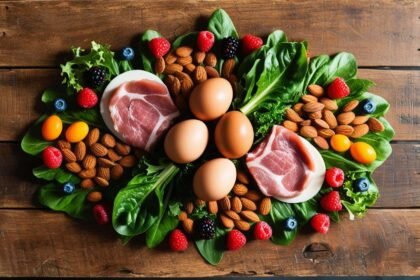
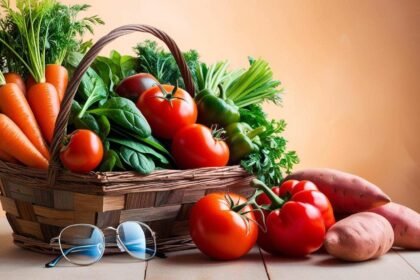
- Focus on whole grains, fruits & vegetables, legumes, nuts, seeds, and oily fish.
- Follow guidance like the UK’s Eatwell Guide: at least five portions of varied fruit and vegetables each day, two fish portions per week (one oily), and favour whole-grain, high-fibre carbs with minimal added salt/sugar.
- Replace saturated/trans fats with unsaturated ones (olive oil, canola, nuts, avocados).
- Be salt-aware (stay <5 g/day), sugar-aware (<5-10 % calories), fat-aware (saturated <10 % energy).
- Build healthy habits early: the lifelong risk of heart disease is influenced by childhood diet and obesity risk. Taylor emphasises building good habits from an early in life.
Final thoughts
In essence, the worst foods for your heart are not a few isolated villains — they form patterns: ultra-processed meals, saturated-fat heavy dishes, high-salt snacks, and sugar-laden drinks.
These undermine your arteries, raise blood pressure and cholesterol, promote obesity, and set the stage for cardiovascular disease.
But you’re not powerless. By shifting away from processed and heavy-fat/salt/sugar foods and towards whole, minimally processed, nutrient-rich choices, you bolster your heart’s resilience.
As the World Heart Federation emphasises, a healthy diet is a key line of defence in preventing CVD and related conditions.
Start small. Reduce one processed snack this week, swap out butter for olive oil, and pick a whole-grain carb rather than white. These micro-changes, over time, add up to macro-benefits for your heart.