



Potatoes are one of the world’s most popular foods, appearing in everything from home-cooked meals to restaurant menus.
But if you eat potatoes every day, could they be silently affecting your blood sugar?
Recent nutrition research suggests that the answer isn’t as simple as “yes” or “no.” While potatoes naturally raise blood sugar because they are rich in carbohydrates, experts say the variety you choose, how you cook them, how much you eat, and even what you eat alongside them can make a significant difference.
Rather than eliminating potatoes completely, health experts recommend smarter preparation methods and balanced portions to enjoy their nutritional benefits without dramatically increasing blood sugar levels.
Why Do Potatoes Raise Blood Sugar?
Potatoes are classified as starchy vegetables, meaning they contain more carbohydrates than vegetables such as spinach, broccoli, or cauliflower. During digestion, these carbohydrates are converted into glucose, causing blood sugar levels to rise after a meal.
This response is completely normal. However, consuming large portions of potatoes—especially without protein or fiber, can lead to a faster and higher spike in blood glucose.
Nutrition experts note that people living with diabetes, prediabetes, or insulin resistance should pay closer attention to portion sizes and meal combinations.
Not All Potatoes Affect Blood Sugar the Same Way
One of the biggest misconceptions is that every potato has the same impact on blood sugar.
Researchers use the Glycemic Index (GI) to measure how quickly foods raise blood glucose. Potato varieties can vary dramatically.
For example, Nicola potatoes have a moderate GI of around 55, while russet potatoes can reach a GI of 111, making them much more likely to cause rapid blood sugar spikes.
This means selecting the right variety can help improve overall blood sugar management.
The Way You Cook Potatoes Matters
Cooking methods may be just as important as the potatoes themselves.
Studies suggest that baked or microwaved potatoes generally produce a lower glycemic response than boiled potatoes.
Even more interesting, allowing potatoes to cool after cooking increases their resistant starch content.
Resistant starch is a special type of carbohydrate that isn’t fully broken down into glucose during digestion. Because of this, it has a much smaller effect on blood sugar.
In one small study, participants who ate chilled potatoes experienced lower blood sugar and insulin levels within 15 to 30 minutes after eating compared with those who consumed freshly boiled potatoes.
This means dishes like cooled potato salad may have metabolic advantages over hot mashed potatoes, provided they are prepared with healthy ingredients.
French Fries Carry the Highest Risk
While boiled or baked potatoes can fit into a balanced diet, research consistently shows that frequent consumption of French fries tells a different story.
Researchers found that every additional three servings of French fries consumed per week was associated with a 20% higher risk of developing type 2 diabetes.
Even more concerning, people who regularly ate five or more servings of French fries each week had a 27% greater diabetes risk compared with those who rarely consumed them.
On the positive side, replacing just three weekly servings of French fries with whole grains reduced diabetes risk by approximately 19%. (Source)
Pairing Potatoes with the Right Foods Can Help
Experts emphasize that potatoes should rarely be eaten alone.
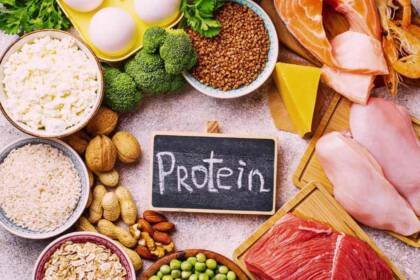
Adding protein-rich foods such as eggs, fish, chicken, lentils, beans, or Greek yogurt slows digestion, reducing the speed at which glucose enters the bloodstream.
Likewise, fiber-rich vegetables such as broccoli, leafy greens, carrots, or salads help slow carbohydrate absorption, promoting steadier blood sugar levels after meals.
A balanced plate is generally healthier than eating a large serving of potatoes by themselves.
Potatoes Still Offer Important Nutritional Benefits
Despite concerns about blood sugar, potatoes remain a nutrient-dense food.
They provide:
- Vitamin C
- Potassium
- Vitamin B6
- Dietary fiber (especially when eaten with the skin)
- Complex carbohydrates that supply long-lasting energy
Health professionals emphasize that potatoes themselves are not unhealthy. Problems typically arise from oversized portions, frequent deep-frying, and diets high in processed foods.
Who Should Monitor Potato Intake?
People who may benefit from paying closer attention to potato consumption include:
- Individuals with Type 2 diabetes
- People with prediabetes
- Those with insulin resistance
- Adults trying to lose weight
- Anyone following a low-glycemic eating plan
For most healthy adults, moderate portions can still be part of a nutritious diet.
Tips to Enjoy Potatoes Without Spiking Blood Sugar
Nutrition experts recommend these simple strategies:
- Limit portions to around 100 grams per serving.
- Choose baked, steamed, or microwaved potatoes instead of deep-fried options.
- Allow cooked potatoes to cool before eating to increase resistant starch.
- Pair potatoes with lean protein and high-fiber vegetables.
- Avoid eating French fries multiple times each week.
- Select lower-glycemic potato varieties whenever possible.
The Bottom Line
Current research suggests that eating potatoes every day is not necessarily harmful, but how you prepare them and how much you eat matters.
Choosing healthier cooking methods, keeping portions moderate, and pairing potatoes with protein and fiber can significantly reduce their impact on blood sugar.
For most people, potatoes can remain part of a healthy, balanced diet.
However, those with diabetes or other blood sugar concerns should be especially mindful of portion sizes and avoid making French fries a regular habit. Small dietary changes can make a meaningful difference in long-term metabolic health.
Frequently Asked Questions
Do potatoes raise blood sugar quickly?
Yes. Potatoes are rich in carbohydrates that are converted into glucose during digestion. However, the speed of the rise depends on the potato variety, cooking method, and what foods are eaten alongside them.
Are chilled potatoes healthier than hot potatoes?
Research suggests chilled cooked potatoes contain more resistant starch, which may help reduce post-meal blood sugar and insulin spikes.
Can people with diabetes eat potatoes?
Yes, but moderation is important. Smaller portions combined with lean protein and fiber-rich vegetables can help improve blood sugar control.
Which potatoes have the lowest glycemic index?
Lower-GI varieties such as Nicola potatoes generally have a smaller impact on blood sugar than high-GI varieties like russet potatoes.
How many potatoes can you eat in a day?
There is no official daily limit, but some nutrition experts recommend keeping intake to around 100 grams per day as part of a balanced diet, particularly for people concerned about blood sugar.