


If you are looking for nuts that may support healthy blood pressure, both cashews and pistachios can be nutritious choices.
But when comparing cashews vs. pistachios for blood pressure, pistachios may have a modest advantage based on available research.
Both nuts contain unsaturated fats, protein and important minerals. However, the way they are prepared matters.
Unsalted nuts can fit well into a heart-healthy diet, while heavily salted varieties can add a significant amount of sodium.
So, are pistachios better than cashews for high blood pressure?
The answer is nuanced.
Pistachios have some research specifically linking their consumption with modest improvements in blood pressure, but unsalted cashews can also be part of a healthy eating pattern.
Your overall diet and sodium intake are more important than choosing one nut exclusively.
Are Nuts Good for Blood Pressure?
Nuts can be part of a dietary pattern designed to support cardiovascular health.
The American Heart Association recommends choosing healthy sources of unsaturated fats and reducing sodium, while the DASH eating plan promoted by the National Heart, Lung, and Blood Institute includes nuts, seeds and legumes.
DASH, which stands for Dietary Approaches to Stop Hypertension, emphasizes vegetables, fruits, whole grains, low-fat dairy, fish, poultry, beans and nuts.
It also focuses on nutrients such as potassium, calcium, magnesium, fiber and protein while limiting sodium and saturated fat.
This means both cashews and pistachios can have a place in a blood-pressure-conscious diet.
Cashews and Blood Pressure
Cashews provide unsaturated fats, plant protein and minerals such as magnesium and potassium.
Replacing snacks high in refined carbohydrates or saturated fat with a small serving of unsalted nuts can be a practical way to improve overall diet quality.
However, cashews should not be viewed as a treatment for hypertension. Evidence directly examining cashews and blood pressure is less compelling than the evidence available for pistachios.
The preparation also matters. Salted cashews can contain considerably more sodium than unsalted cashews, and excessive sodium intake can work against blood-pressure management.
For this reason, choose raw or dry-roasted unsalted cashews whenever possible.
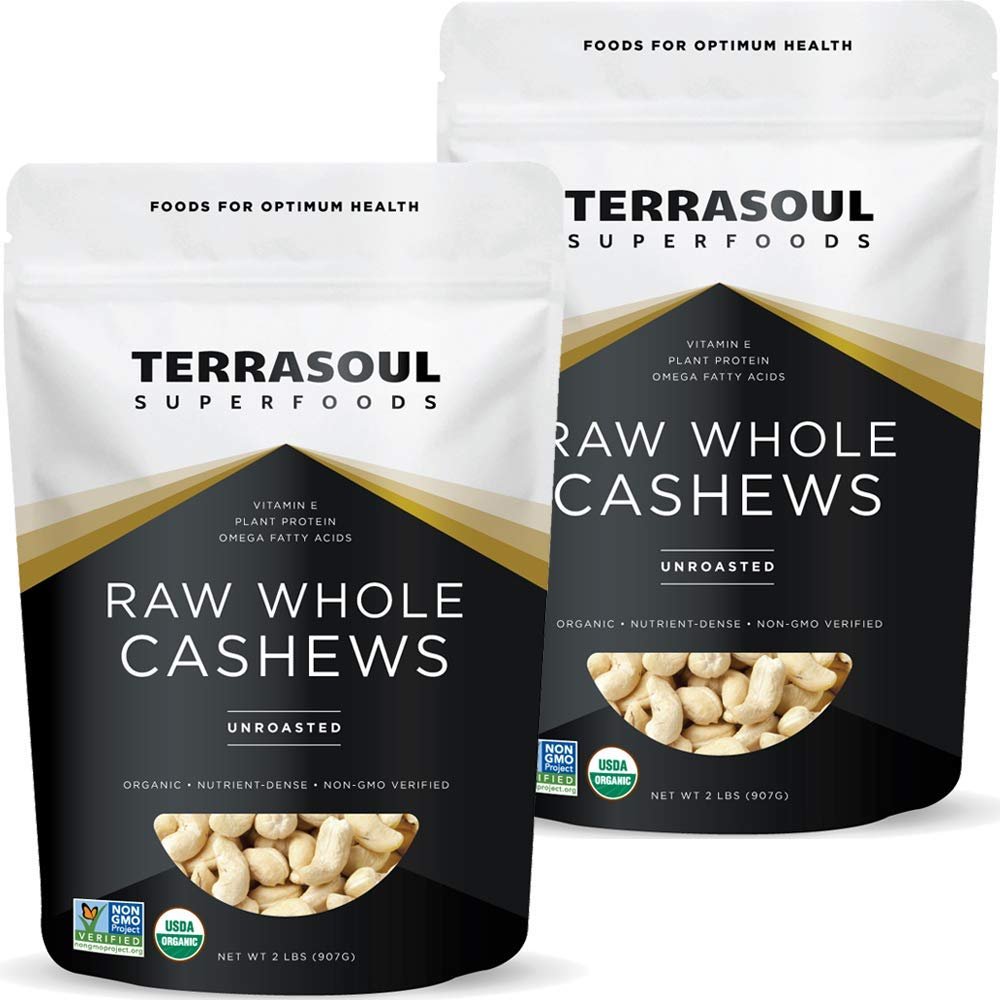
Terrasoul Superfoods Organic Raw Cashews, 4 Lbs
Pistachios and Blood Pressure
Pistachios may have a slight edge when the specific goal is supporting healthy blood pressure.
A systematic review and meta-analysis of randomized controlled trials found that pistachio consumption was associated with a modest reduction in systolic and diastolic blood pressure.
Another meta-analysis of 13 randomized trials involving 563 adults found that pistachios significantly reduced systolic blood pressure, although the evidence did not show a significant effect on diastolic pressure.
However, this does not mean pistachios can replace blood-pressure medication or medical treatment. The effects observed in studies were generally modest, and individual responses can vary.
Pistachios should therefore be considered one component of an overall heart-healthy eating pattern rather than a stand-alone remedy for hypertension.
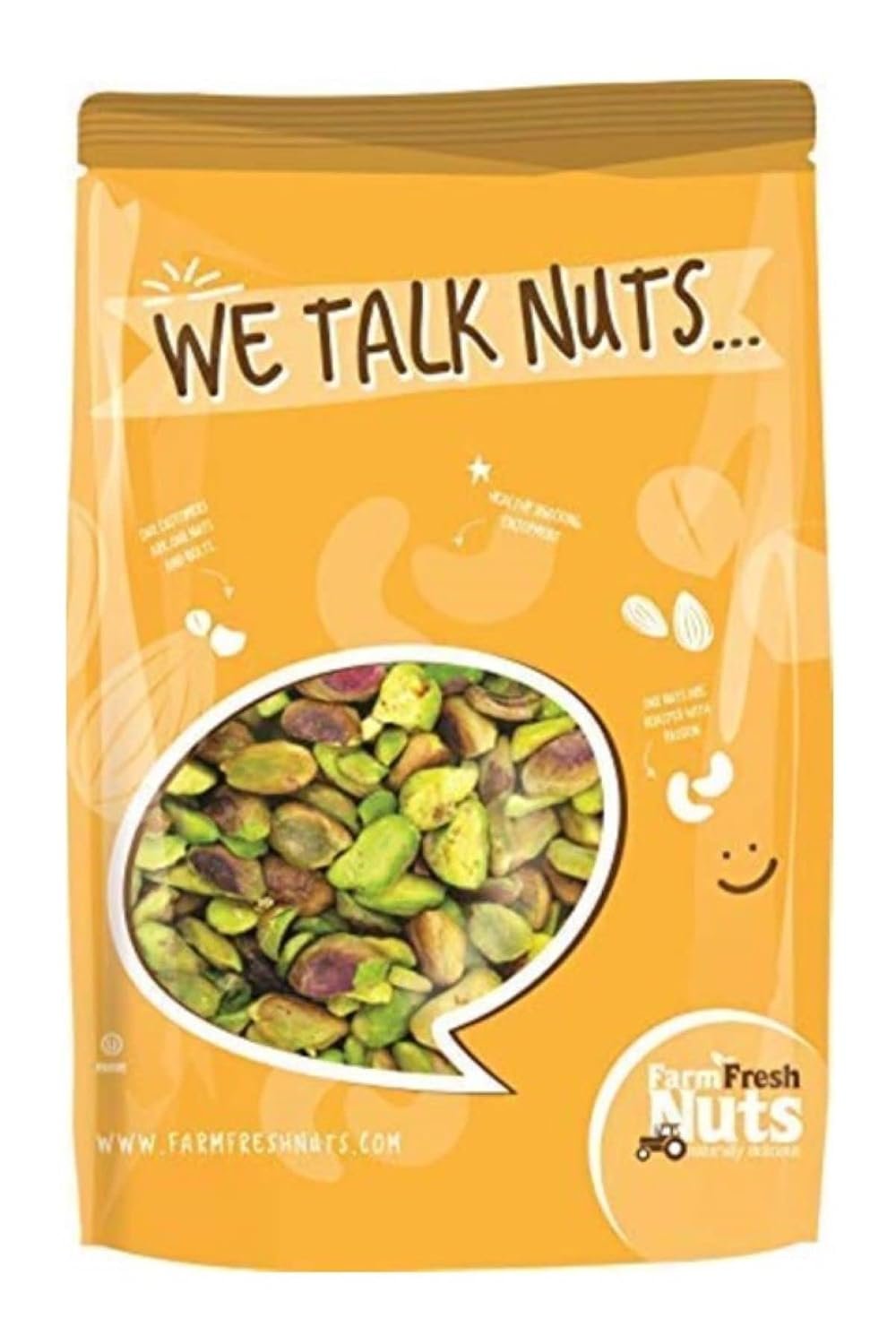
Shelled Raw Pistachio Kernels by Farm Fresh Nuts
Cashews vs. Pistachios: Nutrition Comparison
The nutritional profile of both nuts makes them useful additions to a balanced diet.
| Nutrient or feature | Cashews | Pistachios |
|---|---|---|
| Healthy unsaturated fats | Yes | Yes |
| Plant protein | Yes | Yes |
| Fiber | Some | Generally higher |
| Potassium | Good source | Good source |
| Magnesium | Good source | Good source |
| Naturally low in sodium | Yes, when unsalted | Yes, when unsalted |
| Blood-pressure research | Limited direct evidence | More direct research |
| Best choice for hypertension | Unsalted | Unsalted |
The important point is that both varieties can be healthy, particularly when they replace less nutritious snacks.
Which Has the Advantage for Blood Pressure?
If you are choosing strictly between the two, pistachios have a slight research-based advantage.
The strongest reason is not simply that pistachios contain certain minerals. Research has specifically examined pistachio consumption and blood-pressure outcomes.
A meta-analysis found a statistically significant reduction in systolic blood pressure among people consuming pistachios.
But the difference should not be exaggerated.
A person who regularly eats a small serving of unsalted cashews as part of a DASH-style diet can still make a heart-friendly choice.
Meanwhile, eating large quantities of heavily salted pistachios could undermine some of the benefits associated with choosing nuts.
In other words, pistachios may win the comparison, but sodium and overall dietary quality matter more than the nut itself.
Why Unsalted Nuts Are Better for High Blood Pressure
When shopping for nuts, check the Nutrition Facts label.
Choose:
- Unsalted cashews
- Unsalted pistachios
- Raw or dry-roasted nuts without added salt
- Nuts with minimal added ingredients
Limit:
- Salted nuts
- Honey-roasted nuts with added sugar
- Flavored nuts with substantial sodium
- Nuts coated in salty seasonings
This distinction is particularly important for people trying to control hypertension.
Research from the DASH-Sodium trial showed that lowering sodium reduced blood pressure, and combining lower sodium intake with the DASH diet produced greater benefits than either strategy alone.
The American Heart Association also emphasizes choosing foods low in sodium and preparing foods with little or no added salt as part of a heart-healthy dietary pattern.
How Cashews and Pistachios Fit Into the DASH Diet
The DASH diet does not require you to choose pistachios over cashews. Both can fit into the eating plan.
The NHLBI’s DASH guidance includes nuts, seeds, dry beans and peas as part of the weekly eating pattern.
It emphasizes foods rich in potassium, calcium, magnesium, fiber and protein while keeping sodium lower.
You could add unsalted nuts to:
- Plain oatmeal
- Low-fat or plain yogurt
- Vegetable salads
- Whole-grain cereal
- Homemade trail mix
- Fruit and yogurt snacks
The key is to keep portions reasonable and avoid adding excessive salt.
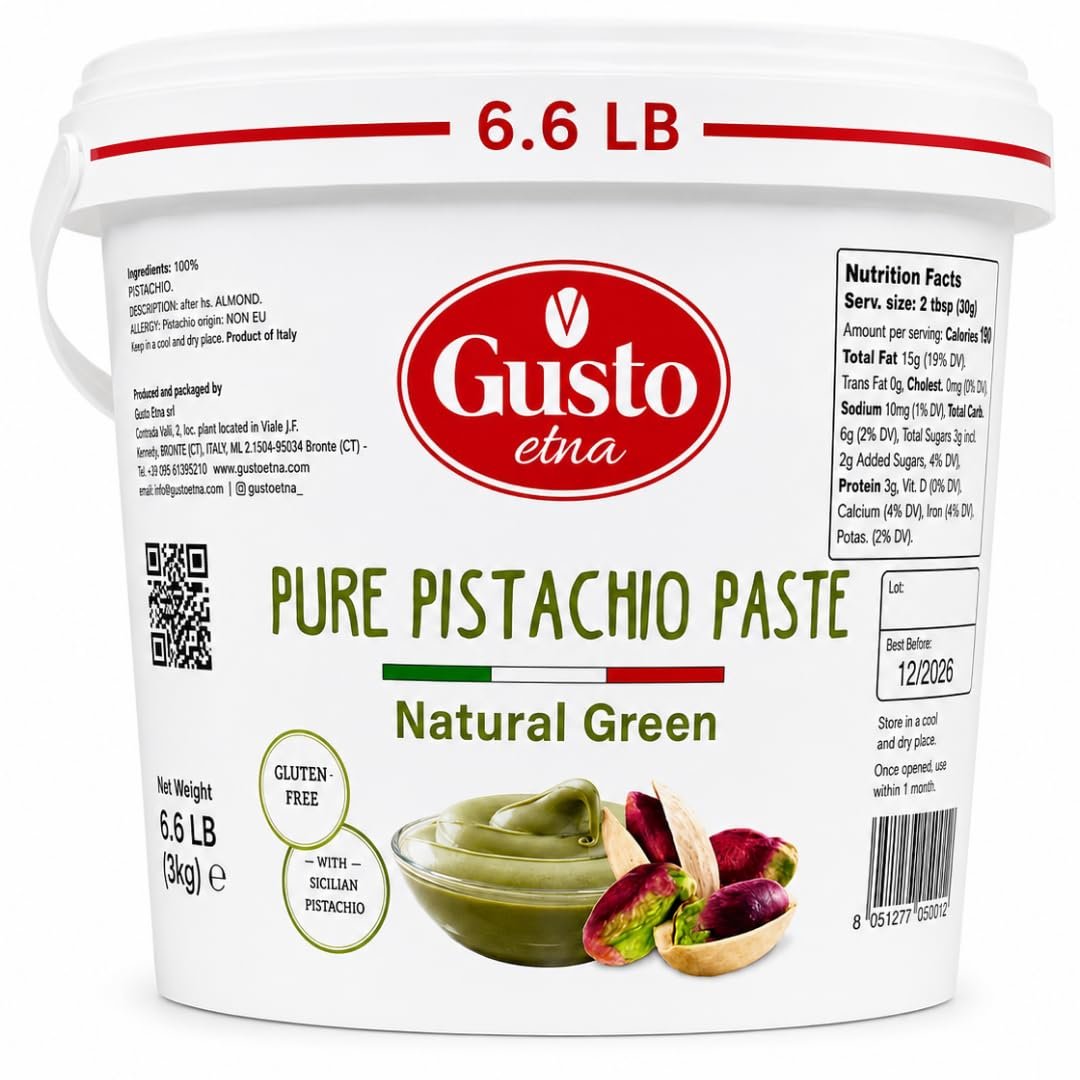
GUSTO ETNA Pure 100% Pistachio Paste Bucket
How Many Cashews or Pistachios Should You Eat?
Nuts are nutrient-dense foods, which means a small portion can provide substantial calories.
A practical approach is to use a small handful or measured serving rather than eating directly from a large package.
The American Heart Association has recommended several servings of unsalted nuts per week, with serving sizes kept relatively modest.
Your appropriate portion depends on your calorie needs, overall diet and health goals.
If you are trying to lose weight while managing blood pressure, portion control becomes especially important because consuming large quantities of nuts can substantially increase calorie intake.
What Matters More: The Nut or the Salt?
For blood pressure, the salt may matter more than whether you choose cashews or pistachios.
Consider two snacks:
Option 1: A small serving of unsalted pistachios.
Option 2: A large serving of heavily salted cashews.
Although pistachios have stronger direct research regarding blood pressure, the first choice is likely more appropriate for someone trying to reduce sodium intake.
This is why looking at the Nutrition Facts label is essential.
The healthiest nut is not necessarily the one with the most impressive nutrient profile; it is the one that fits your overall dietary pattern, portion needs and sodium goals.
Frequently Asked Questions
Are pistachios good for high blood pressure?
Pistachios can be included in a heart-healthy diet for people with high blood pressure. Clinical research has found modest reductions in systolic blood pressure in some studies, although pistachios are not a treatment or substitute for prescribed medication.
Are cashews good for hypertension?
Unsalted cashews can be part of a healthy diet for someone managing hypertension. They provide unsaturated fats and minerals, but evidence specifically demonstrating a blood-pressure-lowering effect from cashews is less established than the evidence for pistachios.
Which is healthier, cashews or pistachios?
Neither is universally healthier. For blood-pressure-focused eating, pistachios may have a modest advantage because they have been directly studied for blood-pressure effects. Unsalted cashews remain a nutritious option.
Can I eat salted pistachios with high blood pressure?
It is generally better to choose unsalted pistachios if you are trying to reduce sodium. Salted varieties can add sodium that may make blood-pressure management more difficult.
What are the best nuts for blood pressure?
There is no single “best” nut for everyone. Unsalted pistachios, cashews, walnuts, almonds and other nuts can fit into a heart-healthy diet. The overall dietary pattern and sodium intake are important considerations.
Can pistachios replace blood-pressure medicine?
No. Pistachios are a food, not a medication. If you have diagnosed hypertension, continue following your healthcare professional’s treatment recommendations.
Final Verdict: Cashews vs. Pistachios for Blood Pressure
Pistachios may be the better choice if your primary goal is supporting healthy blood pressure, because randomized clinical research has found modest reductions in systolic blood pressure associated with pistachio consumption.
However, that does not make cashews a poor choice. Unsalted cashews can also contribute to a nutritious, heart-friendly diet, especially when they replace snacks high in saturated fat, refined carbohydrates or added sodium.
Ultimately, focus on the bigger picture: choose unsalted nuts, control portions, eat plenty of vegetables and fruits, prioritize whole grains and other minimally processed foods, and keep sodium intake in check.
The DASH eating pattern, combined with sodium reduction, has strong evidence for helping lower blood pressure.
Medical Disclaimer
This article is for educational and informational purposes only and is not a substitute for professional medical advice, diagnosis or treatment. If you have high blood pressure, kidney disease or another medical condition that affects sodium or potassium intake, speak with your healthcare professional before making significant dietary changes.