



Few diets, if any, have received as much attention and praise as the Mediterranean diet for encouraging a healthy lifestyle.
It’s no surprise that this diet has been lauded for its many health benefits, such as enhanced weight management, cardiovascular health, and lifespan, given its emphasis on fresh, nutrient-rich foods.
However, some people may experience hunger as they adjust to the Mediterranean diet. Never fear! Here, we’ll discuss proven methods for controlling hunger so you may reap the health benefits of the Mediterranean diet without sacrificing satisfaction.
1. Prioritize Fiber-Rich Foods
Including a wide variety of fiber-rich foods is an important part of the Mediterranean diet for achieving satiety.
Whole grain products, legumes, fruits, and vegetables are not only nutrient-dense but also keep you full for longer.
A bowl of robust oatmeal with a sprinkle of fresh berries is a great way to start the day, as is a salad with a rainbow of vegetables, chickpeas, and olive oil.
These high-fiber selections can help you avoid getting hungry again before the end of the meal.
2. Include Lean Protein
Lean protein sources are excellent for doing the same. Eat more plant-based protein like beans and lentils, as well as lean animal protein like fish and fowl.
Because it takes longer to digest, protein can help you feel full for longer. Foods like Mediterranean bean stew or grilled chicken breast with roasted veggies are hearty and flavorful.
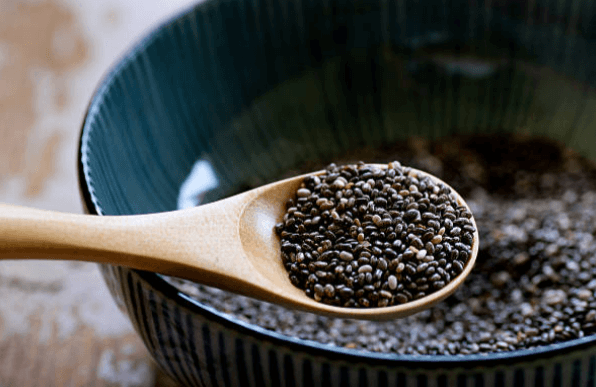
Greek yogurt combined with nuts or seeds is a protein-rich, nutrient-rich snack that can provide you with energy throughout the day.
3. Don’t Skip Healthy Fats
Fats, contrary to popular belief, play a crucial role in the Mediterranean diet. Olive oil, almonds, seeds, and avocados all include healthy fats that help you feel full.
These fats are beneficial to your health and also give your food a delicious depth.
Add some flavor to your salad with some extra-virgin olive oil, your yogurt with some chopped almonds, or your whole-grain toast with avocado spread. These tweaks can make a huge impact in warding off hunger.
4. Stay Hydrated
Our bodies can mistake thirst for hunger on occasion. Make sure you’re getting enough water throughout the day so you’re not hungry and nibbling for no good reason.
Watermelon and oranges are high-water-content fruits that can help you stay hydrated and put an end to mindless snacking, but herbal teas and carbonated water with a squeeze of lemon can also do the trick.
5. Listen to Your Body
The success of any diet depends on the dieter’s ability to tune in to their body’s signals of hunger and fullness. Slow down your eating, take notice of how your body feels as you eat, and enjoy every bite.
Don’t rush through meals; instead, focus on how you feel while you eat. Knowing this will aid in portion control and allow you to fully appreciate the Mediterranean diet’s myriad flavors and textures.
6. Opt for Smaller, Frequent Meals
Instead of eating the same three large meals every day, try breaking them up into six or seven smaller ones.
By maintaining steady blood sugar levels and curbing appetite between meals, this strategy can help you eat less.
Snack on some Greek yogurt with honey and nuts at midday, then on some vegetables and hummus in the afternoon. These nibbles can keep you full and energized for the duration of the workday.
7. Include a Variety of Foods
The variety of Mediterranean diet is not limited to the variety of foods that make up its staples. Eat a variety of foods from all food groups to meet your nutritional needs.
Eating a wide variety of foods keeps mealtimes interesting and makes sure you’re getting all the nutrients you need to feel full and healthy.
Frequently Ask Questions
What is the Mediterranean diet and what does it consist of?
Greek, Italian, Spanish, and southern French diets influenced the Mediterranean diet. It stresses entire, unprocessed foods such as fruits, vegetables, whole grains, legumes, nuts, seeds, lean proteins (fish and fowl), and healthy fats (particularly olive oil). It recommends modest red wine and dairy consumption.
What are the health benefits of the Mediterranean diet?
The Mediterranean diet reduces heart disease, stroke, and chronic illnesses. Its antioxidants, fiber, vitamins, and minerals help heart health, weight management, inflammation, brain health, and longevity.
Can I still eat meat on the Mediterranean diet?
The Mediterranean diet promotes plant-based eating yet allows fish and fowl. Legumes, beans, and nuts are prioritized above red meat. Vegetables, fruits, whole grains, and healthy fats are emphasized in a balanced diet.
Is the Mediterranean diet suitable for vegetarians or vegans?
Vegetarian and vegan Mediterranean diets are possible. It fits vegetarian and vegan diets since it stresses a diversity of plant-based foods. Eat plenty of veggies, fruits, whole grains, legumes, nuts, seeds, and olive oil. Vegans may need to focus more on vitamin B12, iron, and omega-3 fatty acids.