


Hypertension, or high blood pressure, is often called the “silent killer” because it frequently has no symptoms while significantly increasing the risk of heart disease and stroke.
As millions of people look for natural ways to manage their cardiovascular health, magnesium has emerged as a frontrunner in the world of dietary supplements.
But does magnesium truly lower blood pressure, or is it just another wellness trend?
By analyzing clinical research and the physiological mechanisms of the body, we can uncover a nuanced truth: magnesium is a powerful tool, but its effectiveness depends heavily on who is taking it.
The Mechanism: How Magnesium Relaxes the System
To understand why magnesium affects blood pressure, we have to look at how it interacts with our biology. Magnesium is often described as a “natural calcium channel blocker.”
In the body, calcium causes muscles, including the tiny muscles in your blood vessel walls, to contract. Magnesium competes with calcium; when magnesium levels are adequate, it helps those muscles relax.
Beyond muscle relaxation, magnesium acts as a potent antioxidant. It counteracts oxidative stress that can damage the endothelium (the inner lining of blood vessels).
By protecting these vessels and stimulating the production of nitric oxide, a molecule that helps blood vessels dilate, magnesium ensures that blood flows more smoothly with less resistance.
What the Research Says: Who Benefits Most?
The scientific community has scrutinized magnesium’s impact on hypertension through numerous meta-analyses.
The consensus is that while magnesium is not a “magic pill” for everyone, it is highly effective for specific groups:
- The Magnesium Deficient: According to an analysis of 34 clinical trials, magnesium supplementation significantly lowered blood pressure, but the most dramatic results were seen in individuals who were deficient in the mineral to begin with. In the modern Western diet, which is high in processed foods, nearly 50% of Americans are estimated to be magnesium-deficient.
- Untreated and Uncontrolled Hypertension: For those with high blood pressure who are not yet on medication, or those whose blood pressure remains high despite treatment, magnesium has shown a measurable “additive” effect. It helps nudge the numbers down by improving the body’s vascular response.
- Metabolic Challenges: Research indicates that magnesium is particularly beneficial for people with prediabetes, Type 2 diabetes, or insulin resistance. Because magnesium plays a crucial role in glucose metabolism, improving magnesium levels often improves insulin sensitivity, which in turn helps lower blood pressure.
Conversely, for individuals who already have normal blood pressure or whose hypertension is well-controlled through lifestyle and medication, adding extra magnesium usually shows little to no additional benefit.
The “Missing Link”: Magnesium and Potassium
While the provided content focuses on magnesium, internet-based nutritional science suggests that magnesium works best when part of a “mineral symphony.”
Specifically, the balance between magnesium, potassium, and sodium is vital. Potassium helps the body excrete excess sodium, while magnesium helps the cells maintain the correct levels of potassium.
Many experts recommend the DASH (Dietary Approaches to Stop Hypertension) diet, which is naturally rich in all three of these minerals, as the gold standard for blood pressure management.
How Much Do You Need?
The effectiveness of magnesium is dose-dependent. Studies, such as those published in the journal Nutrients, suggest that a dose of roughly 365–450 mg per day is often required to see a clinical reduction in blood pressure.
However, it is essential to consult a healthcare provider before starting a regimen, as excessive magnesium can lead to digestive issues or interfere with medications like antibiotics and diuretics.
Natural Sources vs. Supplements
Before reaching for a bottle of pills, consider “food first.” The body often absorbs minerals more efficiently from whole foods. To boost your magnesium intake naturally, focus on:
- Leafy Greens: Spinach and Swiss chard.
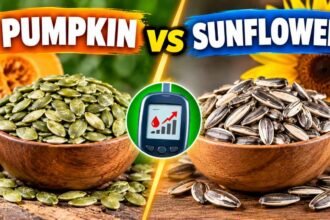
- Seeds and Nuts: Pumpkin seeds (pepitas), almonds, and cashews.
- Whole Grains: Quinoa and brown rice.
- Legumes: Black beans and lentils.
- Dark Chocolate: A delicious way to get a magnesium boost (aim for 70% cocoa or higher).
Conclusion
Does magnesium lower blood pressure? The answer is a qualified “yes.” While it may not replace prescription medication for everyone, it serves as a critical support system for the cardiovascular network.
By relaxing blood vessels, fighting oxidative stress, and aiding those with metabolic disorders, magnesium proves to be an essential mineral in the fight against hypertension.
If you are struggling with high blood pressure, checking your magnesium levels might just be the missing piece of your heart-health puzzle.