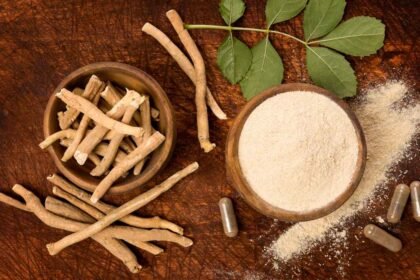




Lotus root, also known as “Kamal Kakdi” or “Renkon” in different regions of the world, is a rare and exotic vegetable that thrives in water. For ages, people in Asia—especially China, Japan, and India—have valued it for its culinary and medical benefits.
Lotus root’s dark color and atypical form belie the wealth of health benefits hiding just beneath the surface. Lotus root has several health benefits, and we’ll explore them in detail here so you can make an informed decision about include it in your diet.
Nutritional Profile of Lotus Root
Before we explore the specific benefits of lotus root, let’s take a closer look at its impressive nutritional profile:
- Low in Calories: Lotus root is a low-calorie vegetable, making it an excellent choice for those looking to manage their weight. A 100-gram serving of raw lotus root contains only about 74 calories.
- High in Fiber: Lotus root is rich in dietary fiber, which is essential for digestive health. A 100-gram serving provides approximately 3 grams of fiber. Fiber aids in promoting regular bowel movements and can help prevent constipation.
- Vitamins and Minerals: Lotus root is a good source of essential vitamins and minerals, including vitamin C, vitamin B6, vitamin B1 (thiamine), vitamin B2 (riboflavin), vitamin A, and vitamin E. It also contains minerals such as potassium, manganese, and copper.
- Phytonutrients: Lotus root contains various phytonutrients, including flavonoids and polyphenols, which have antioxidant properties. These compounds help protect the body’s cells from oxidative stress and reduce the risk of chronic diseases.
- Phosphorus: Lotus root is a notable source of phosphorus, a mineral that plays a crucial role in bone health, energy metabolism, and cell repair. A 100-gram serving contains around 44 milligrams of phosphorus.
Also See: The Lotus Root: A Tasty and Healthy Superfood
Health Benefits of Lotus Root
1. Digestive Health
Lotus root is a fiber-rich vegetable, and as such, it can promote digestive health in several ways. Dietary fiber helps in preventing constipation by adding bulk to the stool and facilitating regular bowel movements. Additionally, fiber supports the growth of beneficial gut bacteria, which contribute to a healthy digestive system.
2. Immune System Support
The vitamin C content in lotus root plays a pivotal role in supporting the immune system. Vitamin C is an antioxidant that helps the body combat free radicals and reduce the risk of infections. Consuming lotus root regularly can boost your immune defenses.
3. Heart Health
Lotus root is a good source of potassium, a mineral that plays a key role in maintaining normal blood pressure levels. Adequate potassium intake can help reduce the risk of hypertension and lower the strain on the cardiovascular system, ultimately promoting heart health.
4. Weight Management
Due to its low-calorie and high-fiber content, lotus root can be an excellent addition to a weight management plan. The fiber in lotus root helps increase satiety, keeping you feeling full for longer and reducing the urge to snack on calorie-dense foods.
5. Antioxidant Properties
Lotus root contains various antioxidants, such as flavonoids and polyphenols, which help combat oxidative stress. Oxidative stress can lead to cell damage and is associated with chronic diseases, including cancer and heart disease. Antioxidants in lotus root contribute to overall well-being.
6. Skin Health
The combination of vitamins A and E in lotus root is beneficial for skin health. Vitamin A supports skin cell production and repair, while vitamin E acts as a natural moisturizer and protects the skin from damage caused by UV rays and environmental pollutants.
7. Anti-Inflammatory Effects
Some studies suggest that lotus root extracts may possess anti-inflammatory properties. This could be particularly valuable for individuals dealing with chronic inflammatory conditions like arthritis.
8. Cognitive Function
The B-vitamins found in lotus root, including B1 (thiamine) and B6, are essential for brain health. Thiamine plays a role in energy metabolism in the brain, while vitamin B6 is involved in neurotransmitter production. Consuming lotus root may support cognitive function.
How to Incorporate Lotus Root into Your Diet

After learning about the amazing health benefits of lotus root, you may be asking how to incorporate it into your diet. Some tasty and novel methods to prepare this unusual vegetable are listed below.
- Lotus Root Chips: Thinly slice lotus root, season with your favorite spices, and bake them until crispy. These make for a healthy and satisfying snack.
- Stir-Fries: Add sliced lotus root to your stir-fries for a crunchy texture and mild, nutty flavor.
- Lotus Root Soup: In Asian cuisine, lotus root is commonly used in soups. Try making a lotus root and pork soup for a comforting and nutritious meal.
- Lotus Root Salad: Slice lotus root thinly and use it in salads for an interesting twist. Its crispness adds a unique element to your greens.
- Tempura: Tempura-fried lotus root is a popular Japanese dish. The light batter complements the natural crunchiness of the lotus root.
- Pickled Lotus Root: Pickling lotus root with vinegar and spices is another tasty option. It can be served as a side dish or a condiment.
Precautions and Considerations
While lotus root offers numerous health benefits, there are a few precautions to keep in mind:
- Allergies: Some individuals may be allergic to lotus root, so it’s essential to monitor for any adverse reactions when trying it for the first time.
- Raw vs. Cooked: While lotus root can be consumed raw, it is often cooked in various dishes. Cooking helps eliminate any potential toxins and enhances its flavor and digestibility.
- Moderation: As with any food, moderation is key. Consuming lotus root as part of a balanced diet is recommended.
The Bottom Line
The lotus root is an extraordinary vegetable because of the rare and beneficial proportions of its many components. It’s a great dietary complement for a number of reasons, including improved digestion, a stronger immune system, and better heart health.
Incorporating lotus root into your diet, whether in the form of stir-fries, soups, or a healthy snack, can help improve your health in general. Don’t be shy about trying lotus root for yourself to enjoy its delicious flavor and health benefits.
- Food Literacy Center. Lotus root.
- USDA FoodData Central. Lotus root, cooked, boiled, drained, without salt.
- University of Sydney. GI foods advanced search, lotus root powder.
- National Institutes of Health Office of Dietary Supplements. Potassium: Fact sheet for health professionals.
- American Heart Association. How to eat more fruits and vegetables.
- University of California San Francisco Health. Constipation.
- National Institutes of Health Office of Dietary Supplements. Folate: Fact sheet for health professionals.
- Kaneyasu M, Nagata M, Ikeda H, Ohnuki K, Shimizu K. Anti-allergic activity of lotus root (Nelumbo nucifera) powder in TDI-sensitized nasal allergy model mice. Food Agric Immunol. 2019:30(1);968–978. doi:10.1080/09540105.2019.1651255
- American College of Allergy, Asthma & Immunology. Food allergy.