By using this site, you agree to the Privacy Policy and Terms of Use.
Accept
𝐁𝐞𝐬𝐭𝐫𝐚𝐭𝐞𝐝𝐡𝐞𝐚𝐥𝐭𝐡𝐁𝐞𝐬𝐭𝐫𝐚𝐭𝐞𝐝𝐡𝐞𝐚𝐥𝐭𝐡𝐁𝐞𝐬𝐭𝐫𝐚𝐭𝐞𝐝𝐡𝐞𝐚𝐥𝐭𝐡
  • Health News
  • Diet & Nutrition
  • Healthy Foods
  • Healthy Drinks
  • Find Doctors
Font ResizerAa
𝐁𝐞𝐬𝐭𝐫𝐚𝐭𝐞𝐝𝐡𝐞𝐚𝐥𝐭𝐡𝐁𝐞𝐬𝐭𝐫𝐚𝐭𝐞𝐝𝐡𝐞𝐚𝐥𝐭𝐡
Font ResizerAa
  • Health News
  • Diet & Nutrition
  • Healthy Foods
  • Healthy Drinks
  • Find Doctors
Search
  • Health News
  • Diet & Nutrition
  • Healthy Foods
  • Healthy Drinks
  • Find Doctors

Top Stories

Explore the latest updated news!
New Study Finds Surprising Brain Region That Could Be Causing High Blood Pressure

New Study Finds Surprising Brain Region That Could Be Causing High Blood Pressure

Irregular Bedtimes May Double Heart Attack and Stroke Risk

Irregular Bedtimes May Double Heart Attack and Stroke Risk, 10-Year Study Warns

This Common Breakfast Food Is More Powerful Than You Think | Eggs

Eat Eggs Every Day? Here’s What Happens to Your Body

Stay Connected

Find us on socials
248.1k Followers Like
61.1k Followers Follow
165k Subscribers Subscribe
Made by ThemeRuby using the Foxiz theme. Powered by WordPress
𝐁𝐞𝐬𝐭𝐫𝐚𝐭𝐞𝐝𝐡𝐞𝐚𝐥𝐭𝐡 > Blog > Health News > How High Sodium Diets Can Increase Your Risk of Kidney Stones
Health News

How High Sodium Diets Can Increase Your Risk of Kidney Stones

Manoj Prasad
Last updated: August 23, 2025 12:04 am
By Manoj Prasad
No Comments
Share
SHARE
Moringa Magic Banner

Kidney stones are often described as one of the most painful health conditions, and for many people, diet plays a central role in their development.

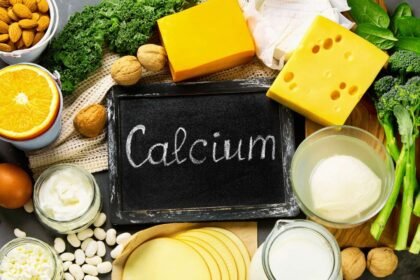
While calcium has traditionally been seen as the main culprit behind calcium-oxalate stones the most common type of kidney stone emerging research and medical insights suggest that salt intake is a much more significant factor.

Dr. Yau, a specialist in kidney health, explains that when she evaluates patients with calcium-oxalate stones, her first recommendation is not to cut back on calcium but on sodium.

This advice may sound counterintuitive, as many people believe calcium itself causes stones. However, the process is more complex than it seems.

When you consume moderate amounts of sodium, your body reabsorbs the mineral and along with it, some calcium. But when sodium intake becomes excessive, the kidneys struggle to manage the overload.

Instead of reabsorbing calcium, the kidneys flush both sodium and calcium into the urine. Once there, calcium can easily bind with oxalates, forming sharp, painful crystals that may eventually develop into stones.

This mechanism highlights why reducing sodium intake is a far more effective preventive strategy than avoiding calcium-rich foods.

In fact, cutting back on calcium can actually be harmful, since calcium in the diet binds with oxalates in the digestive tract, preventing them from being absorbed into the bloodstream in the first place.

Restricting calcium may therefore increase the risk of stones rather than reduce it.

Another critical factor in kidney stone prevention is hydration. Adequate fluid intake helps dilute the concentration of minerals and salts in the urine, reducing the chances of crystallization.

Staying hydrated ensures that excess calcium and oxalates are flushed out before they can combine to form stones.

Most health experts recommend drinking enough water to produce at least two liters of urine daily, which usually translates to about eight to ten glasses of water, depending on activity level, climate, and individual needs.

Beyond salt and hydration, lifestyle choices also influence kidney stone risk. Diets high in processed foods, fast food, and packaged snacks tend to be loaded with hidden sodium, making it easy to exceed daily limits without realizing it.

Reading nutrition labels and opting for fresh, whole foods can significantly cut down sodium intake. Meanwhile, including a balanced mix of fruits, vegetables, and whole grains supports kidney function and overall health.

In summary, while calcium-oxalate stones are the most common type of kidney stone, calcium itself is not the main dietary villain.

Excessive sodium intake is far more responsible for driving calcium into the urine, where stones can form.

By moderating salt intake, staying hydrated, and maintaining a balanced diet, individuals can take proactive steps to lower their risk and protect their kidney health.


You Might Also Like

Shocking Link Between Diabetes and Lung Disease
New Study Confirms Virgin Coconut Oil’s Anti-Inflammatory and Skin-Protective Benefits
This One Sleep Habit Could Add 4 Years to Your Life
Nearly Half of U.S. Adults Could Be Obese by 2035, Study Warns, Highlighting Deep Health Inequities
Metformin May Do More Than Control Diabetes – It Might Help You Live Longer, Too
Share This Article
Facebook Twitter Copy Link Print
ByManoj Prasad
Follow:
Manoj Prasad is a passionate nutritionist and dietician, known for creating personalized meal plans focused on natural, whole foods. He is also a health writer, sharing insights on healthy eating, nutritious foods and drinks, and the latest in wellness trends to help people make informed choices for better health.
Leave a Comment Leave a Comment

Leave a Reply Cancel reply

Your email address will not be published. Required fields are marked *

To respond on your own website, enter the URL of your response which should contain a link to this post's permalink URL. Your response will then appear (possibly after moderation) on this page. Want to update or remove your response? Update or delete your post and re-enter your post's URL again. (Find out more about Webmentions.)

- Advertisement -

Related Stories

Uncover the stories that related to the post!
5 Heart-Killing Habits You Need to Stop
Health News

5 Heart-Killing Habits You Need to Stop

Manoj Prasad
Manoj Prasad
February 3, 2026
Is it true that berries such as strawberries or blueberries help lower blood pressure
Health News

Is it true that berries such as strawberries or blueberries help lower blood pressure?

Manoj Prasad
Manoj Prasad
March 22, 2025
Things to Do When You Wake Up for Better Blood Sugar
Health News

These are the Best Morning Routine for Better Blood Sugar Control

Edward Cooper
Edward Cooper
December 28, 2024
Reducing Salt in Processed Foods Could Dramatically Cut Heart Disease and Stroke Rates, Studies Find
Health News

Reducing Salt in Processed Foods Could Dramatically Cut Heart Disease and Stroke Rates, Studies Find

Manoj Prasad
Manoj Prasad
January 29, 2026
Broccoli Sprouts and Blood Sugar Can They Help Prevent Diabetes
Health News

Broccoli Sprouts and Blood Sugar: Can They Help Prevent Diabetes?

Manoj Prasad
Manoj Prasad
February 23, 2025
Superhero Beta Cells: Could They Be the Future of Type 2 Diabetes Prevention?
Health News

Superhero Beta Cells: Could They Be the Future of Type 2 Diabetes Prevention?

Manoj Prasad
Manoj Prasad
July 3, 2025
What 48 Years of Egg Research Means for Your Breakfast Plate Today
Health News

What 48 Years of Egg Research Means for Your Breakfast Plate Today

Manoj Prasad
Manoj Prasad
February 14, 2025
Dark Chocolate Could Reduce Type 2 Diabetes Risk, According to New Study
Health News

Dark Chocolate Could Reduce Type 2 Diabetes Risk, According to New Study

Manoj Prasad
Manoj Prasad
December 5, 2024
Show More
Follow US
Copyright © 2026 Bestratedhealth.com
  • About Us
  • Team
  • Contact Us
  • Privacy Policy
Welcome Back!

Sign in to your account