




Dietary supplements are a multi-billion dollar industry, with over half of all American adults taking some form of supplements.
While some supplements provide health benefits and are recommended by doctors, many others provide little to no benefit and are a waste of money.
Here are 5 supplements that health experts say you should avoid:
1. Vitamin C

Vitamin C is often touted for its immune-boosting properties and ability to prevent or shorten colds. However, research shows that vitamin C does little to nothing to prevent or treat the common cold in most individuals.
“There is really no evidence that vitamin C prevents colds or speeds recovery from colds,” says Dr. Andrew Johnston, director of sports nutrition at Arizona State University.
While vitamin C supplements may provide a modest benefit for some athletes and people with extremely low vitamin C levels, for most people it provides no advantage over diet alone.
Foods like oranges, red peppers and broccoli are excellent sources of vitamin C for those looking to increase their intake through diet.
Unless advised by your doctor for a specific condition, vitamin C supplements are likely an unnecessary expense.
2. Vitamin E

Vitamin E is a fat-soluble vitamin and antioxidant found naturally in foods like vegetable oils, nuts and seeds. It’s often sold in supplement form with claims it can improve heart health and prevent diseases like cancer.
However, human trials show that vitamin E supplementation does not decrease risk of heart disease or cancer, according to Dr. Edgar Miller, professor of medicine and epidemiology at Johns Hopkins School of Medicine.
In fact, high doses of vitamin E supplements may even be harmful. One meta-analysis found that doses exceeding 400 IU per day were associated with an increased risk of death.
While vitamin E from food sources is important, supplements are generally not recommended for heart health or disease prevention.
3. Probiotics

Probiotics have gained mainstream popularity in recent years, with supplements touting benefits for gut health, immunity, weight loss and more.
However, the vast majority of probiotic supplements contain strains that are unlikely to provide any colonization or health benefits, according to digestive health experts.
“Despite marketing claims, most probiotic supplements contain a single strain or an inadequate combination of strains that we now know will not colonize the human GI tract,” says Dr. Emeran Mayer, author and gastroenterologist at UCLA Health.
While probiotics have shown promise in treating certain gastrointestinal conditions, the specific strains and dosages used in studies are not commonly found in over-the-counter supplements.
For most healthy individuals, probiotic supplements offer minimal if any health advantages compared to getting natural probiotics from foods like yogurt, kefir and fermented foods.
4. Spirulina
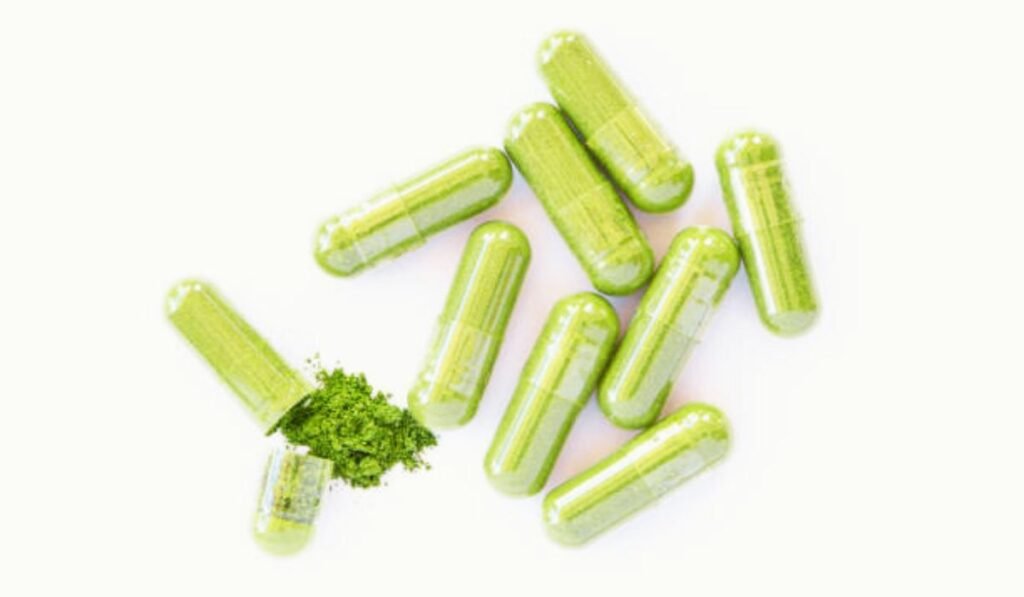
Spirulina is a type of blue-green algae that has been consumed as a food source for centuries in some parts of the world.
The dried powder supplement form has surged in popularity in recent years, with claims it can improve immunity, reduce inflammation and promote weight loss.
However, according to nutrition experts, there is limited evidence to support most marketed health benefits of spirulina supplements.
“Spruliina provides concentrations of nutrients, but there is no evidence that it offers any health benefits beyond what those nutrients in a regular diet provide,” says Dr. Jim White, registered dietitian and American College of Sports Medicine spokesperson.
While animal and a few human studies show spirulina may provide a modest reduction in blood pressure and cholesterol, the effects are small. More research is needed to confirm any cardiovascular benefits in humans.
For most people, the high cost of spirulina supplements outweighs any potential small advantages they may provide over a nutrient-rich diet.
5. Multivitamins

Multivitamins are the most commonly used supplement in the United States, with over 30% of adults taking them. The premise behind multivitamins is that they can fill nutrient gaps in your diet and prevent vitamin and mineral deficiencies.
However, research shows multivitamins provide little to no benefit for most healthy individuals who eat a nutrient-rich diet.
“For the majority of people who eat a wide variety of foods, multivitamins don’t have clear benefits,” says Katherine Zeratsky, registered dietitian at Mayo Clinic.
Since multivitamins contain a variety of nutrients in small doses, they do little to correct or prevent actual vitamin and mineral deficiencies that often result from restricted diets. They’re also unlikely to reduce your risk for chronic diseases like heart disease or cancer.
For those with poor diets, addressing poor eating habits will provide greater health benefits than taking multivitamins. For most already eating a balanced diet, the added nutrition and cost of multivitamins is typically unwarranted.
The Bottom Line
Dietary supplements can provide important nutrition when dietary intake is inadequate.
However, many popular supplements like vitamin C, vitamin E, probiotics, spirulina and multivitamins offer little to no added health benefit for most people already eating a nutritious diet.
Health experts recommend focusing your efforts on eating a well-rounded diet full of fruits, vegetables, whole grains, healthy fats and lean proteins rather than relying on supplements to fill nutritional gaps.
Specific supplements may be warranted in some cases under medical supervision, but the majority of supplements provide no advantage and are not worth the cost for the average person.