



Inflammation is a normal part of the body’s immune response. But when low-grade inflammation persists over time, it can become a concern for overall health and is associated with conditions including cardiovascular disease, metabolic disorders, and other chronic illnesses.
That raises an important question: Which foods may be better choices for an anti-inflammatory eating pattern, fatty fish or mushrooms?
Both can fit into a healthy diet, but they work differently nutritionally.
Fatty fish provide EPA and DHA, long-chain omega-3 fatty acids that have been extensively studied for cardiovascular health and inflammatory pathways.
Mushrooms provide compounds such as beta-glucans along with vitamins and minerals.
If your goal is specifically to choose a food with stronger human evidence behind its potential anti-inflammatory effects, fatty fish currently has the advantage.
But mushrooms can still be a useful addition to an overall healthy eating pattern.
Why Fatty Fish May Help Fight Inflammation
Fatty fish are among the richest dietary sources of EPA and DHA. These omega-3 fatty acids participate in biological processes involved in inflammation and cardiovascular function.
Research has found encouraging results. A randomized controlled study published in Molecules examined people at high cardiovascular risk and found that an oily-fish diet improved measures of subclinical inflammation, including reductions in some inflammatory markers.
The American Heart Association also recommends eating non-fried fish, particularly fish higher in omega-3 fatty acids, at least twice a week as part of a heart-healthy dietary pattern.
Good choices include:
- Salmon
- Sardines
- Herring
- Atlantic mackerel
- Trout
For U.S. consumers, seafood selection also matters because mercury levels vary among species.
FDA’s fish advice lists salmon, sardines, herring, and Atlantic mackerel among its “Best Choices,” while recommending that consumers avoid several high-mercury species, including king mackerel, shark, swordfish, and bigeye tuna.
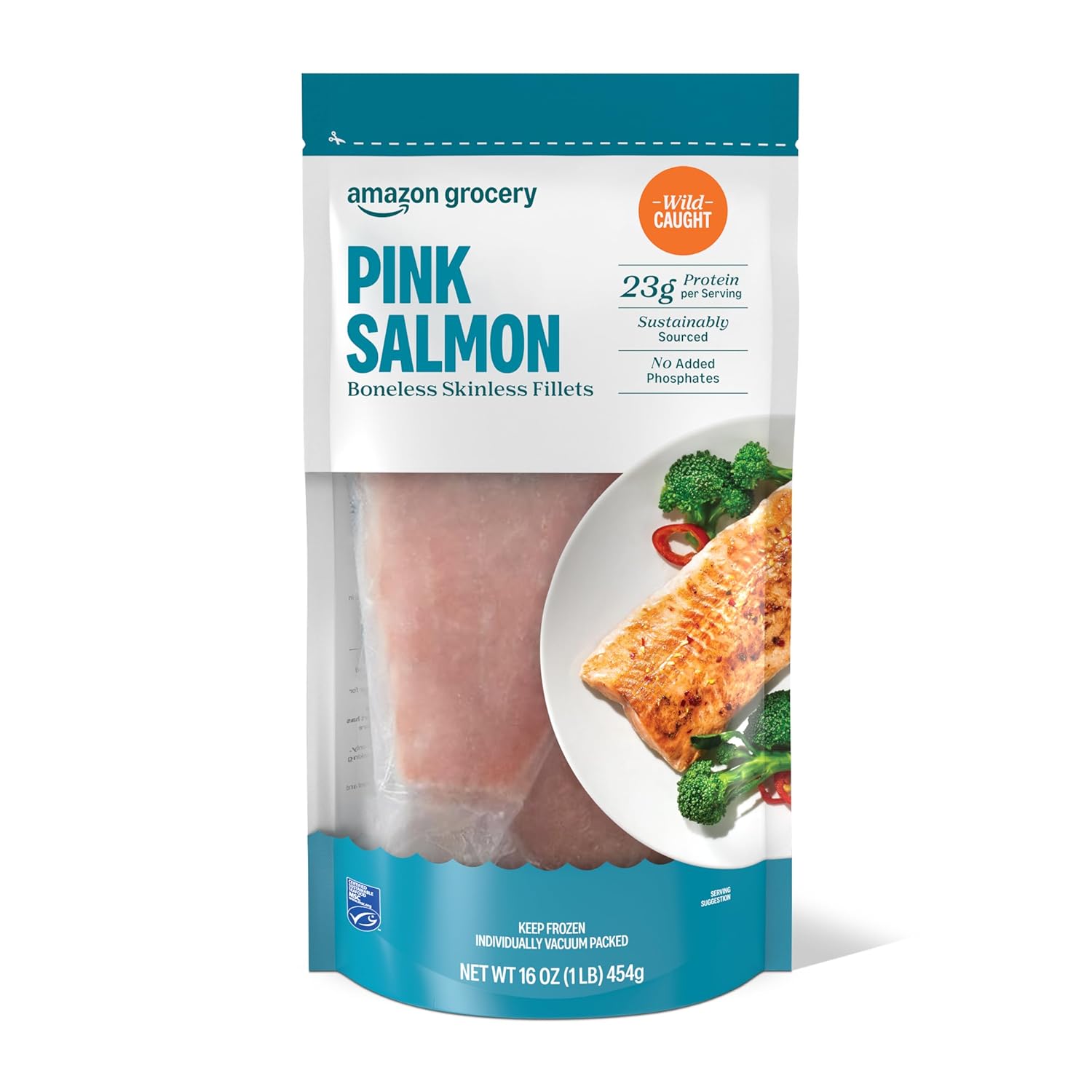
Amazon Fresh Brand, Wild Caught Pink Salmon Skinless Fillet Portions
What About Mushrooms?
Mushrooms offer a completely different nutritional profile.
Common edible varieties such as white button, cremini, portobello, and shiitake provide nutrients including B vitamins, selenium, copper and other bioactive compounds.
Mushroom cell walls are also rich in beta-glucans, which have been investigated for their potential effects on immune function and inflammation.
However, it is important not to overstate the evidence.
Laboratory and experimental studies have identified potentially beneficial immunomodulatory and anti-inflammatory properties of mushroom compounds.
But reviews note that many of these findings have not yet been firmly established in large human clinical trials.
That makes mushrooms a nutritionally valuable food, but not necessarily a replacement for fatty fish when the specific goal is increasing dietary omega-3 intake.
Amazon Grocery, Sliced Baby Bella Mushrooms, 8 Oz

Fatty Fish vs. Mushrooms: Which Is Better?
| Nutritional factor | Fatty fish | Mushrooms |
|---|
| EPA and DHA | Excellent source | Very little |
| Protein | High | Moderate |
| Beta-glucans | Minimal | Good source |
| Selenium | Some varieties provide it | Some varieties provide it |
| Human evidence related to inflammation | Stronger | Promising but limited |
| Heart-health evidence | Strong | Still developing |
| Best role | Omega-3-rich protein | Vegetable and nutrient-rich side |
The Bottom Line
Fatty fish wins if you’re choosing between the two specifically for omega-3 intake and the stronger body of human evidence.
But that doesn’t mean mushrooms should be left off your plate.
In fact, you don’t have to choose.
Try combining grilled salmon with roasted mushrooms, adding sliced mushrooms to a sardine pasta dish, or serving baked mackerel with a mushroom-and-vegetable side.
The broader goal should be a dietary pattern rich in seafood, vegetables, fruits, whole grains, legumes, nuts and other minimally processed foods rather than relying on one “anti-inflammatory” ingredient.
How Often Should You Eat Fatty Fish?
For most adults, a practical target is about two servings of non-fried fish per week, consistent with American Heart Association guidance.
FDA guidance also emphasizes choosing lower-mercury seafood. Salmon, sardines, Atlantic mackerel and herring are among the FDA’s “Best Choices.”
Preparation matters, too. Baking, grilling, broiling or steaming fish can fit more easily into a heart-healthy eating pattern than deep-frying it.
Easy Ways to Add These Foods to Your Diet
You don’t need complicated recipes to eat more of these foods.
For fatty fish:
- Bake salmon with broccoli and lemon.
- Add sardines to whole-grain pasta.
- Serve grilled mackerel with beans and vegetables.
- Make a salmon and avocado salad.
- Add canned salmon to a whole-grain sandwich.
For mushrooms:
- Sauté mushrooms with spinach and garlic.
- Add mushrooms to soups and stews.
- Roast portobello mushrooms with vegetables.
- Mix chopped mushrooms into bean or lentil dishes.
- Add mushrooms to omelets or whole-grain pasta.
Other Foods That May Support a Healthy Inflammatory Balance
An anti-inflammatory eating pattern shouldn’t revolve around fish or mushrooms alone. Other nutritious foods worth including regularly are:
- Berries and other fruits
- Leafy green vegetables
- Beans and lentils
- Whole grains
- Nuts and seeds
- Extra-virgin olive oil
- Avocados
- Vegetables of different colors
The key is dietary pattern, not a single “superfood.”
Replacing highly processed foods, excess added sugars and foods high in saturated fat with nutrient-dense whole or minimally processed foods can make a bigger difference than simply adding one ingredient to an otherwise poor diet.
Frequently Asked Questions
Are fatty fish anti-inflammatory?
Fatty fish provide EPA and DHA omega-3 fatty acids, which are involved in pathways related to inflammation. Research, including randomized controlled evidence, suggests that oily-fish consumption can improve certain measures of subclinical inflammation.
Are mushrooms anti-inflammatory?
Mushrooms contain beta-glucans and other bioactive compounds that have demonstrated immunomodulatory and potentially anti-inflammatory effects in experimental research. However, stronger human evidence is still needed before making definitive claims about mushrooms reducing chronic inflammation.
Which fish is best for omega-3?
Salmon, sardines, herring and Atlantic mackerel are practical omega-3-rich choices. Several of these also appear on the FDA’s lower-mercury “Best Choices” list.
Can eating these foods eliminate inflammation?
No. Food cannot be expected to eliminate inflammation on its own. Chronic inflammation can have many causes, and diet is only one part of overall health. Physical activity, sleep, body weight, smoking status and management of underlying health conditions can also matter.
Should you eat fish and mushrooms together?
Absolutely. They provide different nutrients and can complement each other in a balanced diet. For example, salmon with roasted mushrooms and vegetables makes a simple nutrient-dense meal.
Final Verdict
If you’re asking “fatty fish or mushrooms, which should I choose for inflammation?”, fatty fish has the stronger case because EPA and DHA are well studied, and human research supports the health value of regularly eating omega-3-rich seafood.
Mushrooms are still worth eating because they provide important nutrients and bioactive compounds, but their specific anti-inflammatory benefits in humans require more research.
So rather than choosing one over the other, make fatty fish and mushrooms part of a varied, minimally processed eating pattern.
For personalized dietary advice, particularly if you have cardiovascular disease, diabetes, kidney disease, food allergies, or another medical condition, talk with your physician or a registered dietitian.
Medical Disclaimer
This article is for educational purposes only and is not medical advice. Research on individual foods does not mean that a food can prevent, treat or cure a disease.