

For people with diabetes or prediabetes, choosing snacks that provide nutrients without a large carbohydrate load can make everyday eating easier.
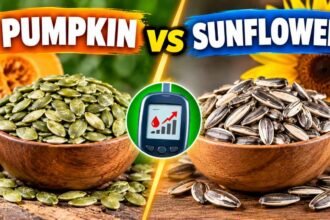
Pumpkin seeds and sunflower seeds are two popular options.
Both provide protein, unsaturated fats, minerals and fiber, but their nutritional profiles are not identical.
So, which is better for blood sugar: pumpkin seeds or sunflower seeds?
There is no universal winner. Both can fit into a diabetes-friendly eating pattern when eaten in reasonable portions.
Pumpkin seeds have an advantage when it comes to magnesium and protein, while sunflower seeds are particularly rich in vitamin E.
Both are relatively low in carbohydrate compared with many processed snack foods.
Importantly, neither seed has been proven to independently lower or control blood sugar.
The strongest evidence supports including nuts and seeds as part of an overall nutrient-dense eating pattern rather than relying on a single food.
The American Diabetes Association’s 2026 Standards of Care specifically recommends incorporating nuts and seeds into diverse eating patterns for people with diabetes and those at risk of diabetes.
Pumpkin Seeds vs. Sunflower Seeds: Nutrition Comparison
A useful way to compare the two is to look at a typical 1-ounce (28-gram) serving of edible kernels.
Exact values vary depending on the variety, processing method and whether the seeds are raw or roasted.
| Nutrient | Pumpkin seeds, approx. 1 oz | Sunflower seeds, approx. 1 oz |
|---|---|---|
| Calories | ~153–160 | ~164 |
| Carbohydrates | ~5 g | ~5.6 g |
| Fiber | ~1–2 g | ~2.4 g |
| Protein | ~7 g | ~5.8 g |
| Fat | ~13 g | ~14.4 g |
| Magnesium | ~152 mg | ~36 mg |
| Vitamin E | Low | High |
| Sodium, unsalted | Very low | Very low |
Nutrition data from USDA-derived records show that a 1-ounce serving of dried pumpkin seed kernels provides about 153 calories, 7 grams of protein, 5 grams of carbohydrate and 152 mg of magnesium.
USDA-derived nutrition data for dried sunflower seed kernels provide approximately 164 calories, 5.6 grams of carbohydrate, 2.4 grams of fiber and 5.8 grams of protein per ounce.
Sunflower seeds are also notably rich in vitamin E.
These numbers illustrate an important point: both seeds are nutrient-dense, but neither should be considered a low-calorie food. Portion size still matters.
How Pumpkin Seeds Affect Blood Sugar
Pumpkin seeds, also called pepitas when the edible inner kernel is sold without the shell, contain protein, unsaturated fat, fiber and minerals.
Because a typical serving contains relatively little carbohydrate compared with many snack foods, pumpkin seeds are unlikely to produce the same type of rapid glucose rise associated with sugary snacks, refined grains or sweetened foods.
However, “low in carbohydrate” does not mean “carbohydrate-free.”
Pumpkin seeds still contribute carbohydrates, so people who count carbohydrates should include their serving in their overall meal or snack plan.
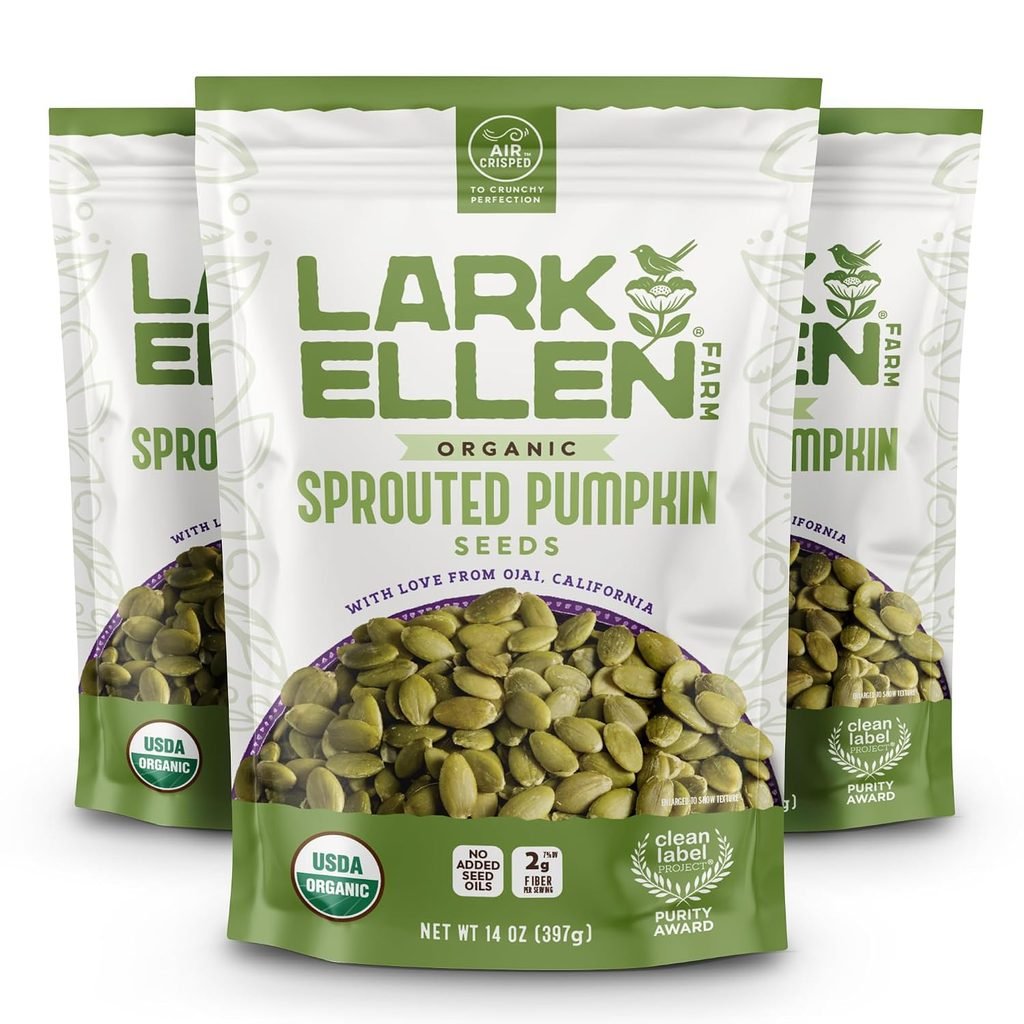
Lark Ellen Farm Sprouted Styrian Pumpkin Seeds
Pumpkin Seeds and Magnesium
One of the biggest nutritional advantages of pumpkin seeds is their magnesium content.
A 1-ounce serving of dried hulled pumpkin seeds contains roughly 152 mg of magnesium in one USDA-derived nutrition record.
Magnesium is involved in hundreds of biochemical reactions, including processes related to energy metabolism and normal muscle and nerve function.
However, it is important not to overstate this benefit.
Although magnesium is important for normal metabolism, the ADA does not recommend taking magnesium or other micronutrient supplements specifically for blood-sugar-lowering benefits when there is no underlying deficiency.
Eating magnesium-rich foods such as seeds is different from taking a supplement, but pumpkin seeds should still be viewed as one nutritious component of the overall diet, not as a diabetes treatment.
How Sunflower Seeds Affect Blood Sugar
Sunflower seeds are also a nutrient-dense snack containing protein, unsaturated fats, fiber and several vitamins and minerals.
An ounce of dried sunflower seed kernels contains approximately 5.6 grams of carbohydrate and 2.4 grams of dietary fiber.
The combination of fat, protein and fiber can make sunflower seeds more filling than many refined-carbohydrate snack foods.
However, this does not mean sunflower seeds automatically lower blood glucose.
Sunflower Seeds and Vitamin E
Sunflower seeds stand out for their vitamin E content. Vitamin E functions as an antioxidant and helps protect cells from oxidative damage.
A typical 1-ounce serving of sunflower seed kernels provides a substantial amount of vitamin E, although the exact amount varies according to whether the seeds are raw, roasted and processed.
For someone choosing between the two seeds, this gives sunflower seeds a nutritional advantage when vitamin E intake is the priority.
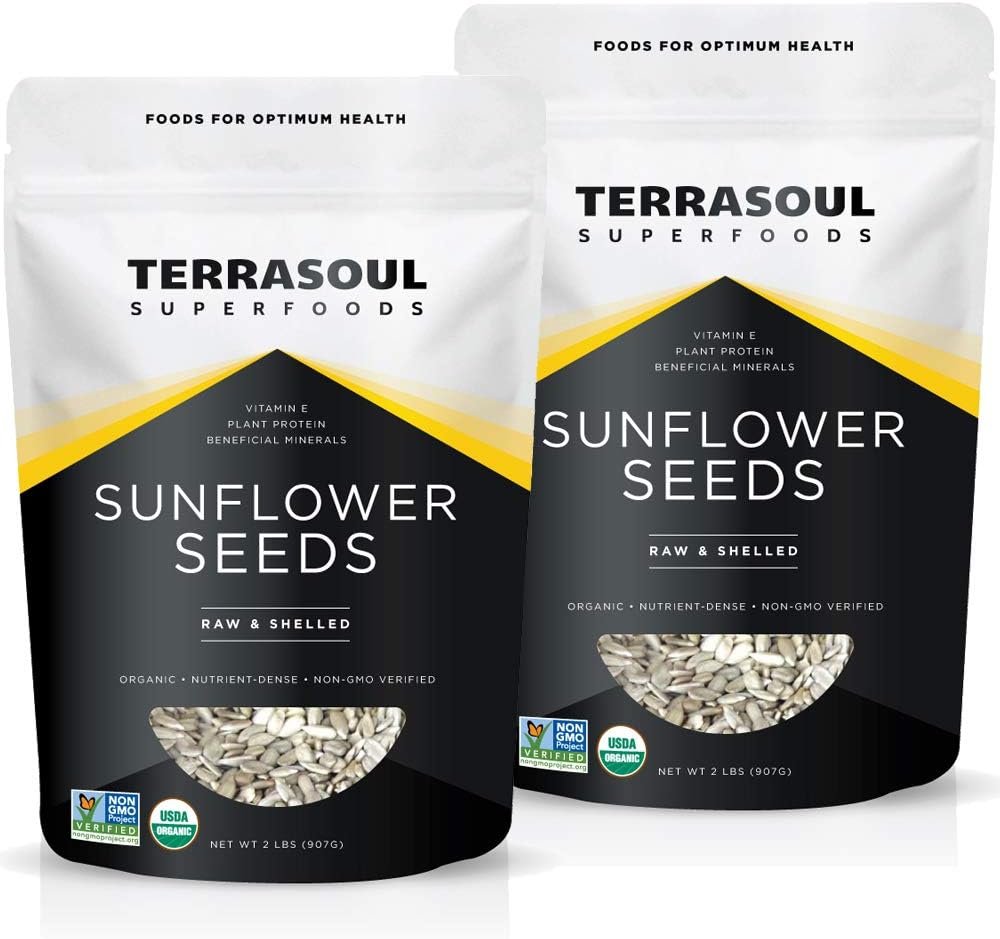
Terrasoul Superfoods Organic Sunflower Seeds
Which Has Fewer Carbohydrates?
The difference is relatively small.
An ounce of dried pumpkin seed kernels contains roughly 5 grams of carbohydrate in one USDA-derived record, while an ounce of dried sunflower seed kernels contains about 5.6 grams.
Therefore, pumpkin seeds may have a slight advantage if you are comparing carbohydrate content, but the difference is not large enough to make one seed universally superior for diabetes.
More important factors include:
- Serving size
- Added ingredients
- Total carbohydrate intake
- What you eat with the seeds
- Your individual glucose response
Which Has More Fiber?
Sunflower seeds generally provide more fiber per ounce in the USDA-derived nutrition records used for this comparison.
One ounce of dried sunflower kernels contains approximately 2.4 grams of fiber, while one ounce of dried hulled pumpkin seed kernels provides around 1.1 grams in one database entry.
Fiber is important because it contributes to digestive health and is associated with healthier dietary patterns.
The ADA recommends emphasizing minimally processed, nutrient-dense, high-fiber carbohydrate sources as part of diabetes nutrition management.
Which Has More Magnesium?
Pumpkin seeds are the clear winner for magnesium.
A 1-ounce serving of dried hulled pumpkin seeds provides approximately 152 mg of magnesium, compared with roughly 36 mg in an ounce of dry-roasted sunflower seed kernels without salt.
That makes pumpkin seeds particularly useful as a food source of magnesium.
Still, magnesium content should not be confused with a proven blood-sugar-lowering effect.
The value of pumpkin seeds comes from their overall nutrient profile and their place within a balanced eating pattern.
Which Has More Protein and Healthy Fat?
Pumpkin seeds generally provide more protein per ounce, while both seeds provide substantial amounts of unsaturated fat.
Pumpkin seeds can provide roughly 7 grams of protein per ounce, compared with around 5.8 grams for sunflower seeds in the nutrition records used here.
Both can therefore be useful additions to meals or snacks where you want more plant-based protein and healthy fats.
The ADA specifically recommends incorporating plant-based protein sources such as nuts, seeds and legumes into diverse eating patterns for people with diabetes and those at risk for diabetes.
Do Pumpkin Seeds or Sunflower Seeds Raise Blood Sugar?
Both contain carbohydrates, so neither is completely carbohydrate-free.
However, their carbohydrate content is relatively modest, and they also contain fat, protein and fiber.
This makes them quite different from foods dominated by refined carbohydrates or added sugars.
It would be inaccurate to say that pumpkin or sunflower seeds “do not raise blood sugar.”
The glucose response depends on the amount consumed, what else is eaten, individual metabolism, medications and other factors.
For people using insulin or medications that can cause hypoglycemia, carbohydrate intake should be coordinated with the individualized treatment plan provided by their healthcare professional.
Salted vs. Unsalted Seeds
For everyday eating, plain or unsalted seeds are generally the better choice.
The seeds themselves can be nutritious, but heavily salted varieties can add a significant amount of sodium.
For example, USDA-derived data show that dry-roasted sunflower seeds with added salt can contain substantially more sodium than unsalted kernels.
The ADA recommends that people with diabetes limit sodium intake to less than 2,300 mg per day when clinically appropriate.
Also watch for flavored seed products containing:
- Added sugar
- Honey
- Caramel
- Chocolate
- Sweet coatings
- Highly processed seasonings
These additions can change an otherwise nutritious snack into a much higher-sugar or higher-sodium product.
How Many Pumpkin or Sunflower Seeds Should You Eat?
A practical reference serving is approximately 1 ounce (28 grams).
That is roughly a small handful, although hand sizes vary considerably. Measuring the portion at home can be useful if you are monitoring calories or carbohydrates.
Why does portion size matter?
Seeds are energy-dense.
Even though they contain relatively little carbohydrate, their combination of fat and protein means calories can accumulate quickly when large quantities are eaten.
For someone trying to manage weight as part of diabetes care, eating several large handfuls throughout the day may add considerably more calories than expected.
Best Ways to Eat Seeds for Blood Sugar Management
Rather than eating large quantities of seeds alone, consider using a measured portion as part of a balanced meal or snack.
Try these ideas:
- Sprinkle pumpkin seeds over a vegetable salad.
- Add sunflower seeds to a bowl of plain Greek yogurt.
- Mix a small portion into oatmeal with berries.
- Add pumpkin seeds to roasted nonstarchy vegetables.
- Use sunflower seeds as a crunchy topping for leafy greens.
- Combine a small amount of seeds with other protein-rich foods.
The goal is not to find a single “magic” food for blood sugar.
The ADA recommends an overall eating pattern emphasizing nutrient-dense foods, including vegetables, whole foods, nuts and seeds, while limiting highly processed foods and added sugars.
What Does Research Say About Seeds and Blood Sugar?
Research on nuts and seeds is encouraging but does not justify claiming that pumpkin or sunflower seeds directly lower blood glucose.
A 2019 systematic review of randomized controlled trials examined nut and seed consumption in adults with prediabetes.
The review included five trials involving 371 participants.
Some studies involving almonds, pistachios and flaxseed reported improvements in certain glucose-related measures, while results were inconsistent across interventions.
Importantly, the studies did not specifically establish pumpkin or sunflower seeds as blood-sugar-lowering foods.
Research on nuts also illustrates why claims should be made cautiously.
A 2019 meta-analysis of 40 randomized trials involving 2,832 participants found favorable effects of nuts on fasting insulin and HOMA-IR, but did not find significant improvements in fasting glucose or HbA1c overall.
In other words, the evidence supports the broader idea that nuts and seeds can be part of a healthy eating pattern, but it does not establish one particular seed as a treatment for diabetes.
Pumpkin Seeds vs. Sunflower Seeds: Which Is Better?
The answer depends on what you want from your snack.
| If your priority is… | Better choice |
|---|---|
| More magnesium | Pumpkin seeds |
| More protein | Pumpkin seeds |
| More vitamin E | Sunflower seeds |
| More fiber per ounce | Sunflower seeds |
| Slightly fewer carbohydrates | Pumpkin seeds |
| Plant-based protein | Both |
| Healthy unsaturated fats | Both |
| Low-sodium option | Both, if unsalted |
Overall winner for blood sugar?
It’s essentially a tie.
Pumpkin seeds have a slight nutritional edge for protein, magnesium and potentially lower carbohydrate content per ounce.
Sunflower seeds offer more fiber in the USDA-derived records used here and are particularly rich in vitamin E.
For blood sugar management, however, the difference between the two is less important than portion size, preparation and what they replace in your diet.
Replacing cookies, candy or refined snack foods with a measured portion of plain seeds can be a more meaningful dietary change than choosing pumpkin seeds over sunflower seeds.
Frequently Asked Questions
Do pumpkin seeds raise blood sugar?
Pumpkin seeds contain carbohydrates and can contribute to blood glucose, but a typical serving contains relatively little carbohydrate. The response varies by portion size and individual metabolism.
Do sunflower seeds raise blood sugar?
Sunflower seeds also contain carbohydrates, but they provide protein, fat and fiber. A moderate serving generally has a lower carbohydrate load than many refined snack foods.
Are pumpkin seeds good for people with diabetes?
Yes. Plain pumpkin seeds can be incorporated into a diabetes-friendly eating pattern because they provide protein, unsaturated fats and minerals with relatively little carbohydrate. They should not, however, be considered a treatment for diabetes.
Are sunflower seeds good for people with diabetes?
Plain, unsalted sunflower seeds can also be a nutritious choice. They provide protein, fiber, unsaturated fats and vitamin E. Portion size remains important because seeds are calorie-dense.
Which seeds are best for blood sugar?
There is no scientifically established single “best” seed for blood sugar. Pumpkin, sunflower, chia, flax and other seeds can contribute different nutrients. The best choice depends on the individual’s overall eating pattern and nutritional needs.
How many pumpkin seeds should someone with diabetes eat?
Around 1 ounce, or 28 grams, is a practical reference serving. Individual carbohydrate and calorie needs vary, so people with diabetes should follow their personalized nutrition plan.
Are salted sunflower seeds healthy for diabetes?
They can be eaten occasionally, but unsalted or lightly salted varieties are generally preferable. Salted products can contain considerably more sodium, and the ADA recommends limiting sodium intake to less than 2,300 mg per day when clinically appropriate.
The Bottom Line
Pumpkin seeds and sunflower seeds can both be good choices for people managing blood sugar.
Pumpkin seeds stand out for their protein and magnesium content, while sunflower seeds provide substantial vitamin E and a useful amount of fiber.
Both contain relatively little carbohydrate compared with many conventional snack foods and provide predominantly unsaturated fats.
But neither seed should be promoted as a food that independently lowers blood sugar.
Current diabetes nutrition guidance emphasizes the overall eating pattern, portion control, nutrient quality and individual metabolic goals rather than relying on individual “superfoods.”
For most people, the smartest choice is simple: select plain or unsalted pumpkin or sunflower seeds, keep portions moderate and use them to replace less nutritious snacks.
If you have diabetes, especially if you use insulin or glucose-lowering medication, discuss major dietary changes with your healthcare professional or registered dietitian.