



What you drink before bed can matter when you are trying to manage blood sugar, especially if you have diabetes or frequently experience nighttime hunger.
Two popular choices are a protein shake and chamomile tea, but they affect your diet in very different ways.
So, which is better before bed for blood sugar, a protein shake or chamomile tea?
For someone who wants a virtually calorie-free, low-carbohydrate beverage, plain, unsweetened chamomile tea is generally the simpler choice.
However, a carefully selected low-sugar protein shake may be useful if you are genuinely hungry or need additional protein as part of your overall eating plan.
The right choice depends on your blood glucose goals, medication, daily nutrition, hunger level, and the ingredients in the drink.
Protein Shake vs. Chamomile Tea: At a Glance
| Factor | Protein Shake | Unsweetened Chamomile Tea |
|---|---|---|
| Calories | Usually moderate | Very low |
| Protein | High | Virtually none |
| Carbohydrates | Varies by product | Very low |
| Added sugar | May contain it | None when unsweetened |
| Fullness | Can be filling | Usually not filling |
| Best suited for | Nighttime hunger or protein needs | A light bedtime beverage |
| Blood sugar impact | Depends on ingredients and portion | Usually minimal when plain |
Is a Protein Shake Good Before Bed for Blood Sugar?
A protein shake can be a convenient way to increase protein intake, but not every protein shake is a good choice for people watching their blood sugar.
Some commercial shakes contain added sugars, fruit concentrates, milk carbohydrates, or other ingredients that increase the total carbohydrate content.
Since carbohydrates are converted into glucose during digestion, the carbohydrate content of a drink is important when considering its potential effect on blood glucose.
If you choose a protein shake before bed, examine the Nutrition Facts label.
Look for a product with little or no added sugar, a reasonable amount of carbohydrates, and a protein content appropriate for your dietary needs.
Protein may also help with fullness. Therefore, a small, low-sugar shake may be more satisfying than tea if hunger is likely to lead to late-night snacking.
However, adding a protein shake simply because it is marketed as a “bedtime” or “blood-sugar-friendly” product does not automatically make it beneficial.
It still contributes calories and potentially carbohydrates.
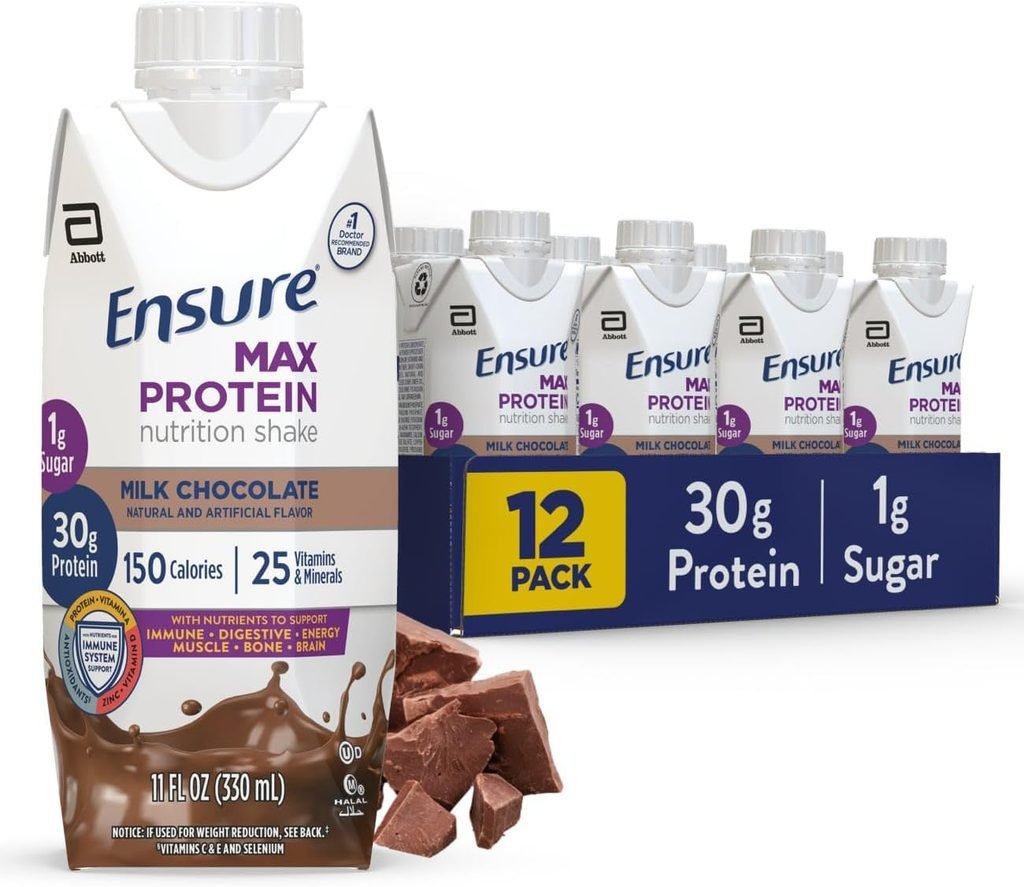
Ensure Max Protein Milk Chocolate Shake
Can a Protein Shake Raise Blood Sugar at Night?
Yes, depending on the ingredients and portion size.
A protein shake made primarily from protein powder and water may contain relatively little carbohydrate, while one made with sweetened ingredients, bananas, juice, flavored milk, or other carbohydrate-rich ingredients can contain considerably more.
For people with diabetes, the overall amount and timing of carbohydrates should be considered as part of their individual meal plan.
NIDDK recommends choosing healthy drinks with little or no added sugar and discussing meal and snack timing with a healthcare professional when necessary.
Is Chamomile Tea Good Before Bed for Blood Sugar?
Unsweetened chamomile tea can be a practical bedtime beverage because it is naturally low in calories and carbohydrates.
The important word is unsweetened. Adding honey, sugar, syrup, or sweetened creamer changes the nutritional profile and can increase carbohydrate intake.
There is also scientific interest in chamomile and blood glucose.
A systematic review and meta-analysis published in 2024 found potentially favorable effects of chamomile consumption on fasting blood glucose and HbA1c in the limited clinical evidence available.
However, only four clinical trials were included, and the researchers noted that additional randomized controlled trials are needed.
That means chamomile tea should not be considered a treatment for diabetes or a substitute for prescribed medication.
Its biggest practical advantage at bedtime may simply be that plain tea provides a warm, caffeine-free beverage without adding significant carbohydrates.
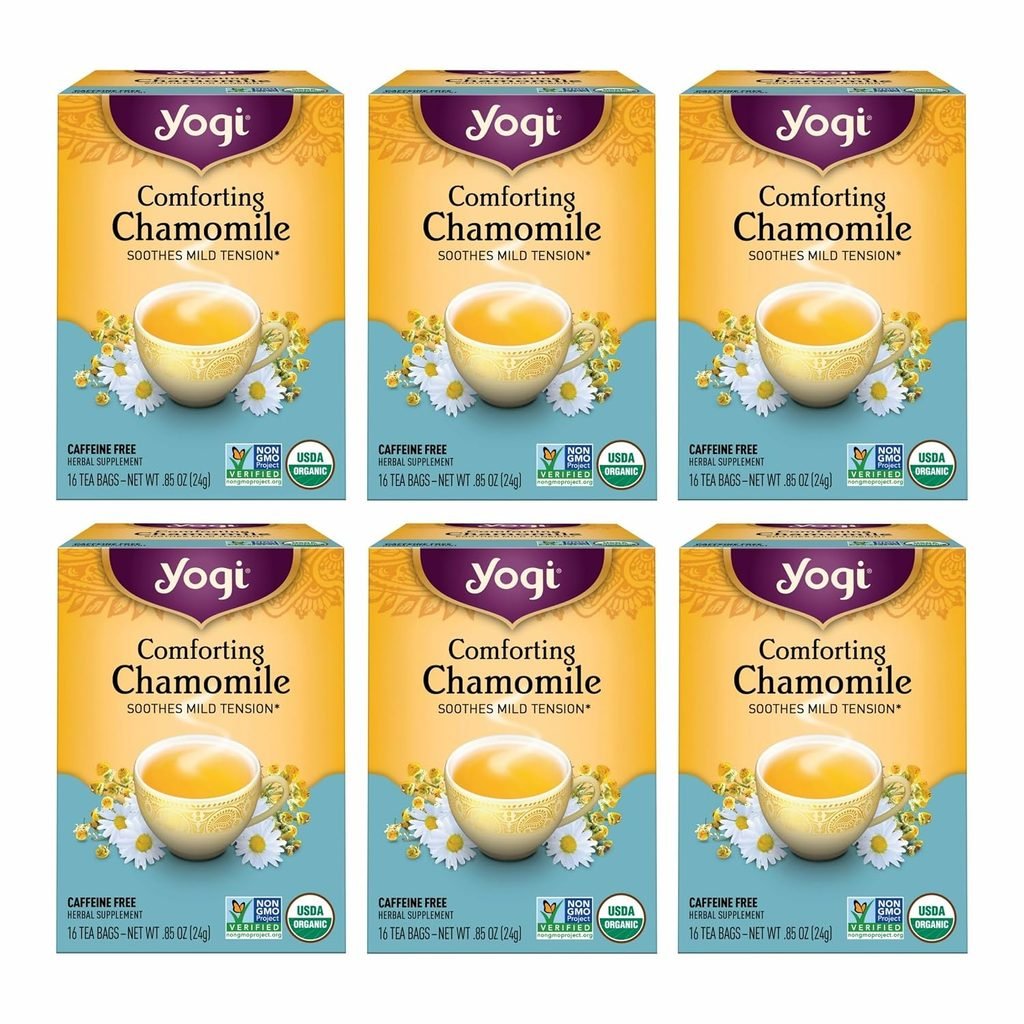
Yogi Comforting Chamomile Organic Tea
Protein Shake or Chamomile Tea: Which Is Better?
The answer depends on why you want a drink before bed.
Choose chamomile tea when:
- You are not particularly hungry.
- You want a low-calorie beverage.
- You want to avoid additional carbohydrates.
- You prefer a caffeine-free nighttime drink.
- You don’t need additional protein before bed.
Consider a low-sugar protein shake when:
- You are genuinely hungry before bed.
- You need additional protein to meet your daily nutritional requirements.
- Your healthcare professional or dietitian has recommended additional protein.
- You can choose a product with an appropriate carbohydrate and calorie content.
There is no universal bedtime drink that will keep everyone’s blood sugar in the same range.
Your medication, physical activity, meal timing, health conditions, and individual glucose response all matter.
What Should You Look for in a Bedtime Protein Shake?
If you decide to have a protein shake before bed, pay attention to the nutrition label.
Look for:
- Little or no added sugar
- A moderate carbohydrate content
- Adequate protein for your individual needs
- A reasonable calorie count
- Minimal unnecessary sweeteners or ingredients
- A serving size that fits your overall eating plan
Avoid assuming that a product labeled “high protein,” “keto,” or “diabetic-friendly” will automatically have the right nutritional profile for you.
Compare the actual Nutrition Facts label.
Does Chamomile Tea Lower Blood Sugar?
This is an important distinction.
Some research has reported potentially beneficial effects of chamomile consumption on blood glucose markers, but that does not mean drinking a cup of chamomile tea before bed will reliably lower your blood sugar.
The available evidence includes a relatively small number of human clinical trials, and researchers have called for additional high-quality studies.
Therefore, it is more accurate to describe plain chamomile tea as a low-carbohydrate bedtime beverage rather than a blood-sugar-lowering treatment.
What About Morning Blood Sugar?
Some people choose a bedtime drink because they are concerned about elevated blood sugar the following morning.
However, morning blood glucose can be influenced by many factors, including food intake, physical activity, sleep, medications, and normal hormonal changes.
Simply replacing a bedtime drink with tea may not resolve consistently high morning readings.
If you repeatedly wake up with unusually high or low blood glucose, discuss the pattern with your healthcare team rather than repeatedly changing your bedtime food or medication on your own.
People taking insulin or certain glucose-lowering medicines can also experience hypoglycemia, particularly in certain circumstances.
NIDDK recommends working with a healthcare professional on strategies to prevent and manage low blood glucose.
Best Bedtime Drinks for People Watching Blood Sugar
Plain chamomile tea is one option, but it is not the only one.
Other possibilities can include:
- Water
- Unsweetened tea
- Unsweetened coffee, if caffeine does not interfere with sleep
- Certain low-carbohydrate beverages that fit your meal plan
NIDDK specifically recommends choosing drinks with little or no added sugar, including water and unsweetened tea or coffee.
Frequently Asked Questions
Can I drink a protein shake before bed if I have diabetes?
You may be able to, but the appropriate choice depends on your overall diet, blood glucose targets, medications, and nutritional requirements. Choose a shake based on its actual carbohydrate, sugar, calorie, and protein content rather than its marketing claims.
Is chamomile tea better than a protein shake for blood sugar?
For someone who simply wants a low-calorie, low-carbohydrate bedtime drink, plain unsweetened chamomile tea is generally the simpler option. A protein shake may be more appropriate when hunger or protein requirements are the primary concern.
Does a protein shake cause a blood sugar spike?
It can, depending on the product and serving size. Protein shakes containing substantial carbohydrates or added sugars have greater potential to raise blood glucose than products with very little carbohydrate.
Can chamomile tea affect blood glucose?
Research has investigated chamomile’s potential effects on glucose markers, with some studies reporting favorable findings. However, the human evidence remains limited, so chamomile should not be relied upon as a diabetes treatment.
What is the best drink before bed for stable blood sugar?
There is no single best drink for everyone. Plain water or unsweetened tea can be suitable when you simply want hydration without added carbohydrates. If hunger or nutritional needs require a bedtime snack, a carefully selected protein-containing option may be more appropriate.
Should people with diabetes eat or drink something before bed?
Not everyone with diabetes needs a bedtime snack. Whether one is appropriate can depend on medications, blood glucose patterns, activity, meal timing, and individual nutritional needs. NIDDK recommends discussing meal and snack timing with your healthcare team when necessary.
The Bottom Line
If your primary goal is to have a light, low-carbohydrate drink before bed, plain unsweetened chamomile tea is a straightforward option.
It provides virtually no protein or substantial nutrition, but it also avoids the calories and carbohydrates found in many protein shakes.
A low-sugar protein shake can make more sense if you are genuinely hungry or need additional protein as part of your overall eating plan.
The key is choosing a product that fits your carbohydrate and calorie requirements.
Ultimately, your bedtime drink is only one small part of blood sugar management.
Overall dietary patterns, physical activity, sleep, medications, and portion sizes can have a much larger influence on glucose control.
Medical Disclaimer
This article is for educational purposes only and is not a substitute for individualized medical advice. If you have diabetes, take insulin or other glucose-lowering medication, or experience frequent nighttime highs or lows, speak with your healthcare professional before making significant changes to your eating or drinking routine.