


Choosing the right breakfast can make a meaningful difference in how your blood sugar responds during the morning.
When comparing oatmeal vs. cereal for blood sugar, the answer depends less on the name of the food and more on its fiber content, added sugar, processing, portion size, and what you eat with it.
In general, plain oatmeal – especially steel-cut or traditional rolled oats, can be a nutritious choice for people concerned about blood sugar.
However, some high-fiber, low-sugar whole-grain cereals can also fit into a diabetes-friendly eating pattern.
The key is knowing what to look for on the nutrition label.
Oatmeal vs. Cereal: Quick Comparison
| Factor | Oatmeal | Breakfast Cereal |
|---|
| Fiber | Usually a good source | Varies widely |
| Added sugar | Very low in plain oats | Can range from low to high |
| Processing | Varies by type | Varies considerably |
| Whole grains | Yes, when made from whole oats | Depends on ingredients |
| Blood sugar response | Depends on type and portion | Depends heavily on ingredients and portion |
| Protein | Usually modest unless toppings are added | Often modest |
| Best choice | Plain steel-cut or rolled oats | High-fiber, low-added-sugar whole-grain cereal |
Why Oatmeal May Be Better for Blood Sugar
Oats are whole grains and contain dietary fiber, including soluble fiber. Soluble fiber can slow digestion and may help with blood glucose management. The CDC specifically identifies oats as a source of soluble fiber and recommends fiber-rich foods as part of healthy eating for people with diabetes or prediabetes.
However, the type of oatmeal matters.
Steel-Cut Oats
Steel-cut oats are minimally processed oat groats that have been cut into smaller pieces. They generally take longer to cook and have a chewy texture.
Rolled Oats
Traditional rolled oats are steamed and flattened. They are convenient while still providing whole-grain fiber.
Quick or Instant Oatmeal
Quick oats can be a convenient option, but flavored instant oatmeal may contain substantial added sugar.
Therefore, plain varieties are generally easier to customize for a lower-added-sugar breakfast.
Adding brown sugar, maple syrup, honey, sweetened dried fruit, or large amounts of sugary toppings can substantially change the nutritional profile of an otherwise simple bowl of oatmeal.
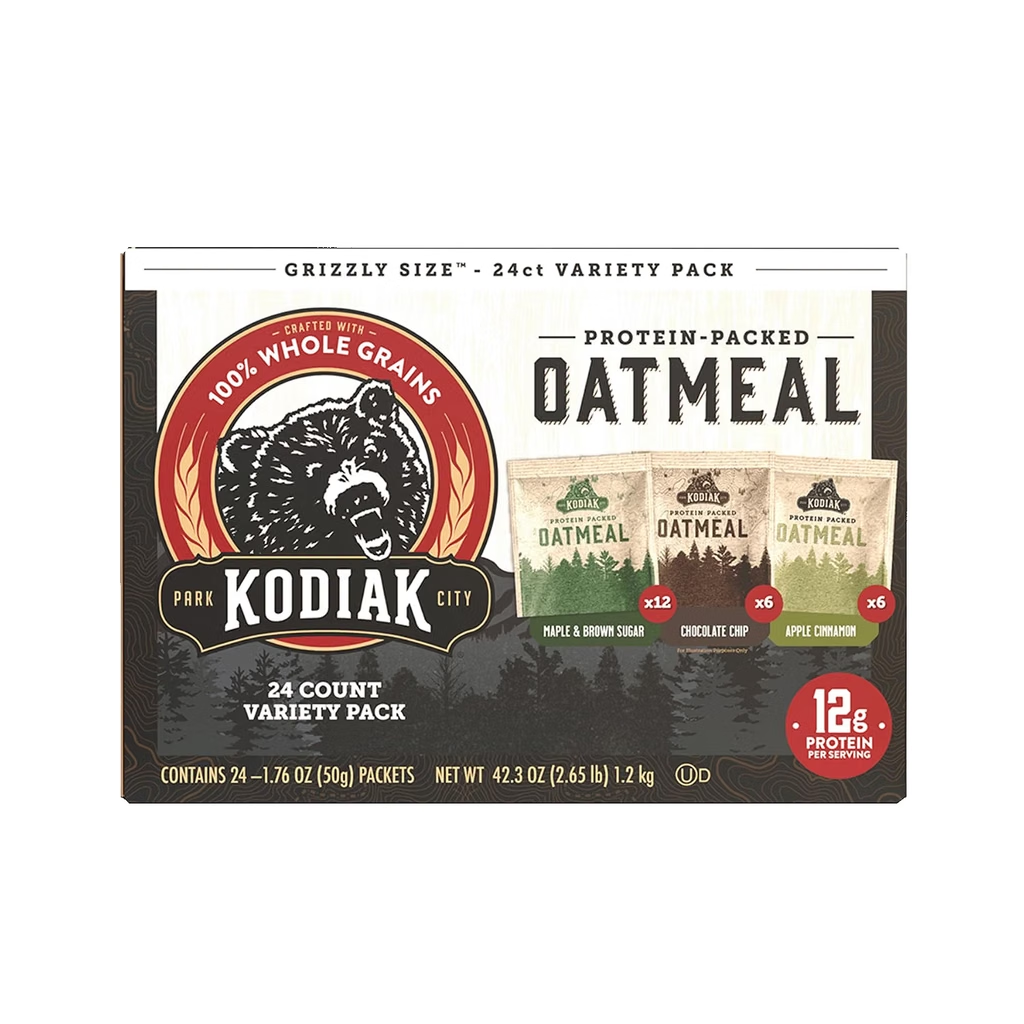
Kodiak Cakes Instant Oatmeal Variety Pack – High Protein – 100% Whole Grains Breakfast Food
Can Cereal Be Good for Blood Sugar?
Cereal isn’t automatically a poor choice for people with diabetes or prediabetes.
The American Diabetes Association notes that cereal can fit into a diabetes-friendly eating plan depending on the cereal and what accompanies it.
It recommends looking for whole grains and fiber; its guidance identifies cereals with 5 or more grams of fiber per serving or at least 20% Daily Value of fiber as high-fiber choices.
The problem is that many breakfast cereals are made with refined grains or contain significant amounts of added sugar.
The CDC explains that refined grains have had much of their fiber removed and recommends choosing carbohydrates containing fiber and nutrients while paying attention to portions.
What to Look for on a Cereal Nutrition Label
If you prefer cereal, don’t judge it only by its front-of-package claims. Turn the box around and examine the Nutrition Facts label and ingredient list.
Look for:
- Whole grain listed among the first ingredients
- Higher dietary fiber
- Lower added sugar
- A reasonable serving size
- Moderate total carbohydrate
- Some protein, when possible
The FDA requires added sugars to be separately listed on the Nutrition Facts label, making it easier to distinguish naturally occurring sugars from sugars added during processing.
Also check the serving size. Eating twice the listed serving means consuming twice the carbohydrates, calories, sugars, and other nutrients shown on the label.
Does Oatmeal Raise Blood Sugar?
Yes. Oatmeal contains carbohydrates, and carbohydrates can raise blood glucose. That doesn’t mean oatmeal needs to be avoided.
The CDC explains that sugars and starches raise blood sugar, while fiber isn’t digested in the same way.
The amount and type of carbohydrate, portion size, and foods eaten alongside it can all influence the glucose response.
For someone with diabetes, the goal isn’t necessarily to eliminate every carbohydrate. Instead, choosing nutrient-dense carbohydrate sources, controlling portions, and building balanced meals can help support blood sugar management.
How to Make Oatmeal More Blood-Sugar Friendly
Plain oatmeal can become a more balanced breakfast when paired with foods containing protein, healthy fats, and additional fiber.
Consider adding:
- Chia seeds
- Ground flaxseed
- Almonds or walnuts
- Pumpkin seeds
- Plain Greek yogurt
- A small serving of berries
- Cinnamon for flavor without added sugar
Instead of relying on brown sugar, syrup, honey, or sweetened creamers, use naturally flavorful ingredients such as berries, unsweetened spices, nuts, and seeds.
What About Cereal Toppings?
The same principle applies to cereal.
A bowl of high-fiber cereal can become less favorable for blood sugar management when combined with large amounts of sugar, syrup, sweetened dried fruit, or other high-sugar additions.
Consider pairing a suitable cereal with:
- Unsweetened or lower-sugar milk
- Plain Greek yogurt
- Nuts or seeds
- Fresh berries
- A small portion of fresh fruit
The CDC recommends combining carbohydrate-containing foods with protein sources such as nuts or dairy as part of balanced eating.
Oatmeal vs. Cereal for Diabetes: Which Should You Choose?
For people with diabetes or prediabetes, plain oatmeal is often an easy way to build a high-fiber, minimally sweetened breakfast. But a high-fiber, low-added-sugar whole-grain cereal can also be a reasonable choice.
Rather than asking whether oatmeal or cereal is universally better, consider these five questions:
- How much dietary fiber does it contain?
- How much added sugar does it contain?
- What is the actual serving size?
- How much total carbohydrate does the serving provide?
- What foods are being added to the meal?
The American Diabetes Association recommends emphasizing whole grains and fiber while minimizing refined carbohydrates with added sugars.
What Is the Best Breakfast for Stable Blood Sugar?
There isn’t one breakfast that produces the same blood glucose response in everyone. Individual responses can vary based on carbohydrate intake, activity, medications, insulin sensitivity, sleep, and other factors.
A practical approach is to build breakfast around fiber-rich carbohydrates plus protein and healthy fats, while limiting heavily sweetened foods.
For example, plain oatmeal topped with nuts and berries provides a combination of whole grains, fiber, healthy fats, and naturally occurring carbohydrates.
A high-fiber, low-added-sugar cereal paired with plain yogurt or nuts can provide a similar balanced structure.
If you monitor your blood glucose, following your healthcare professional’s recommendations for checking levels can help you understand how particular meals affect you.
Best Oatmeal Choices for Blood Sugar
When shopping for oatmeal, consider:
- Plain steel-cut oats
- Plain rolled oats
- Plain old-fashioned oats
- Unsweetened overnight oats made with whole oats
Limit or carefully portion:
- Flavored instant oatmeal
- Oatmeal with added sugar
- Oatmeal loaded with syrup
- Large portions of sweetened dried fruit
Best Cereal Characteristics for Blood Sugar
A blood-sugar-conscious cereal doesn’t need to be completely carbohydrate-free. Instead, look for:
- Whole grains
- At least 5 grams of fiber per serving when possible
- Low amounts of added sugar
- A reasonable serving size
- Minimal reliance on refined grains
Always compare the nutrition label rather than assuming a product is healthy because its packaging uses terms such as “multigrain,” “natural,” or “whole grain.”
Frequently Asked Questions
Is oatmeal better than cereal for diabetes?
Plain oatmeal can be a nutritious option because oats provide whole-grain fiber. However, a high-fiber, low-added-sugar whole-grain cereal can also fit into a diabetes-friendly eating pattern. The nutritional profile and portion size matter more than the category alone.
Does instant oatmeal raise blood sugar?
Instant oatmeal contains carbohydrates and can raise blood glucose. Flavored varieties may also contain added sugar. Plain instant oats can be incorporated into a balanced meal, but individual glucose responses vary.
What cereal is best for blood sugar?
Look for cereals made primarily with whole grains, higher in fiber, and lower in added sugar. The American Diabetes Association specifically recommends looking for whole grains and fiber when choosing cereal.
Can people with diabetes eat oatmeal every day?
Oatmeal can be part of a healthy eating pattern for many people with diabetes, provided the portion, toppings, and overall carbohydrate intake fit their individual meal plan. People taking glucose-lowering medication should follow their healthcare professional’s dietary guidance.
What should I put in oatmeal instead of sugar?
Try berries, nuts, seeds, plain Greek yogurt, cinnamon, or other unsweetened ingredients. These additions can improve flavor and nutritional balance without relying heavily on added sugar.
Bottom Line
When comparing oatmeal vs. cereal for blood sugar, plain oatmeal has several advantages because oats are whole grains and provide dietary fiber, including soluble fiber.
But cereal isn’t automatically a bad choice.
A high-fiber, low-added-sugar whole-grain cereal can also be part of a balanced breakfast.
The most important factors are the type of carbohydrate, dietary fiber, added sugar, portion size, and what you eat alongside the meal.
For people with diabetes or prediabetes, focusing on minimally processed, fiber-rich carbohydrate sources and limiting refined grains and added sugars is consistent with current diabetes nutrition guidance.
Individual blood glucose responses differ, so dietary changes should be considered alongside your personal health goals, medications, and advice from your healthcare professional.
Medical disclaimer: This article is for general educational purposes and is not a substitute for individualized medical or nutritional advice. If you have diabetes, prediabetes, or take medication that affects blood glucose, consult your healthcare professional before making significant dietary changes.