



People have long said that breakfast is the “most important meal of the day,” and more and more scientific evidence backs this up, especially when it comes to heart health.
Recent studies stress not only the importance of eating breakfast but also the significance of the meal’s caloric content and quality.
A healthy, balanced breakfast can greatly lower the risk of cardiovascular disease (CVD), as demonstrated by recent research.
Let’s talk about why breakfast is good for your heart and how to make the most of it.
Key Findings from Recent Research
A groundbreaking study published in the Journal of Nutrition, Health, and Aging looked into how breakfast affects the cardiovascular health of older adults.
The study was done by researchers at the Hospital del Mar Research Institute in Spain and looked at data from 383 people aged 55 to 75 who were all obese or overweight and had at least three signs of metabolic syndrome.

Caloric Intake Matters
The researchers categorized participants into three groups based on their breakfast caloric intake:
- Less than 20% of daily energy intake
- 20% to 30% of daily energy intake
- More than 30% of daily energy intake
Participants consuming 20% to 30% of their daily energy at breakfast showed significantly better cardiovascular markers than those in the other groups. Key findings included:
- Lower BMI: Participants in the optimal range had 2% to 3% lower body mass index (BMI) compared to others.
- Smaller waist circumference: A reduction of 2% to 4% in waist size was observed.
- Improved lipid profiles: Triglycerides were reduced by 9% to 18%, and HDL (“good” cholesterol) increased by 4% to 8%.
Conversely, those consuming less than 20% or more than 30% of their daily energy at breakfast experienced adverse outcomes such as higher BMI, increased waist circumference, elevated triglycerides, and lower HDL cholesterol levels.
The Role of Breakfast Quality
While caloric intake is essential, the nutritional quality of breakfast plays an equally critical role. Using the Meal Balance Index, the study assessed breakfast quality based on nutrients like protein, fiber, healthy fats, calcium, and potassium while minimizing added sugars and saturated fats.
Participants consuming higher-quality breakfasts experienced:
- 1.5% smaller waist circumference
- 4% lower triglyceride levels
- 3% higher HDL cholesterol
These findings underscore the need to prioritize nutrient-dense foods over calorie-dense but nutritionally empty options. A balanced breakfast provides essential nutrients, regulates metabolism, and supports long-term cardiovascular health.
Why Breakfast Timing and Composition Matter
Regulating Metabolic Rhythms
Our bodies operate on a circadian rhythm, which governs metabolic processes. Breakfast helps “set the tone” for the day by initiating metabolism after an overnight fasting period.
Skipping breakfast or consuming it too late can disrupt these rhythms, leading to poor appetite regulation, overeating later in the day, and reduced thermogenesis (calorie burning).
Impact on Blood Sugar and Insulin Sensitivity
People who have type 2 diabetes need to eat breakfast even more. Consuming a balanced meal in the morning improves insulin sensitivity and stabilizes blood sugar levels throughout the day.
Not eating at regular times, like skipping breakfast, has been linked to higher blood pressure and a higher risk of heart disease.
Expert Insights on Breakfast’s Importance
Experts across disciplines agree on the vital role of breakfast in maintaining overall health:
- Cognitive and Mood Benefits: Eating a nutrient-rich breakfast enhances cognitive performance, attention, and mood.
- Metabolic Boost: Breakfast stimulates metabolism, helping maintain a healthy weight and reduce hunger throughout the day.
- Stress Hormone Regulation: A morning meal can prevent spikes in stress hormones, such as cortisol, which may otherwise contribute to elevated blood pressure.
Kristin Kirkpatrick, a registered dietitian at the Cleveland Clinic, emphasized that breakfast sets the tone for eating habits throughout the day. Starting with a nutrient-dense meal encourages healthier choices later on.
Building a Heart-Healthy Breakfast
A nutritious breakfast should include the following components:
- Protein
- Examples: Eggs, Greek yogurt, lean meats, or plant-based options like tofu.
- Benefits: Protein supports muscle repair, keeps you full longer, and stabilizes blood sugar levels.
- Fiber-Rich Foods
- Examples: Whole grains (oatmeal, whole-grain bread), fruits, and vegetables.
- Benefits: Fiber aids digestion, lowers cholesterol, and promotes satiety.
- Healthy Fats
- Examples: Avocado, nuts, seeds, or olive oil.
- Benefits: Healthy fats support brain function and improve lipid profiles.
- Micronutrients
- Examples: Calcium (from dairy or fortified plant-based milk), potassium (from bananas or oranges), and iron (from spinach or fortified cereals).
- Benefits: Micronutrients are essential for bone health, muscle function, and overall well-being.
- Low Added Sugars
- Avoid sugary cereals, pastries, or sweetened beverages. Opt for natural sweeteners like honey or fresh fruits if needed.
Breakfast Ideas for Optimal Heart Health
Here are some examples of heart-healthy breakfasts:
- Mediterranean Breakfast Bowl: Whole-grain toast topped with avocado, a poached egg, cherry tomatoes, and a drizzle of olive oil.
- Overnight Oats: Rolled oats soaked in almond milk, topped with chia seeds, berries, and a dollop of Greek yogurt.
- Veggie Scramble: Eggs scrambled with spinach, bell peppers, and onions, served with a slice of whole-grain bread.
- Smoothie: Blend spinach, banana, unsweetened almond milk, a scoop of protein powder, and a tablespoon of flaxseeds.
- Nut Butter Toast: Whole-grain toast with almond or peanut butter, sprinkled with sliced banana and chia seeds.
Common Breakfast Pitfalls to Avoid
While the benefits of breakfast are undeniable, certain habits can negate its positive effects:
- Skipping Breakfast: Leads to overeating later in the day and disrupts blood sugar regulation.
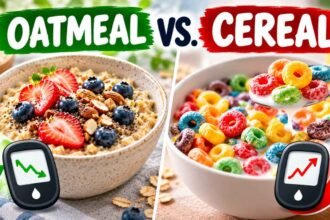
- Overloading on Empty Calories: Pastries, sugary cereals, and processed foods may satisfy hunger temporarily but offer little nutritional value.
- Consuming Excess Calories: Eating more than 30% of daily caloric intake at breakfast can contribute to weight gain and adverse lipid profiles.
The Global Perspective on Breakfast Habits
Although this research primarily involved Spanish older adults, its implications extend globally. Breakfast habits vary across cultures, with traditional meals often reflecting regional dietary staples. However, the principles of balanced caloric intake and nutrient density remain universally applicable.
Future studies should examine diverse populations to account for cultural, genetic, and behavioral differences in dietary habits. Expanding research can help refine guidelines and make them more inclusive.
Final Thoughts: Make Breakfast Count
The evidence is clear: a healthy, balanced breakfast is a cornerstone of cardiovascular health. By consuming 20% to 30% of daily energy at breakfast and prioritizing high-quality, nutrient-dense foods, you can significantly reduce the risk of heart disease and other metabolic conditions.
Start your day with intention and nourishment, and you’ll set the stage for long-term health and vitality. Remember, breakfast is not just a meal—it’s an investment in your future well-being.