



Malanga is a multipurpose root vegetable that packs a nutritional punch and may help maintain healthy blood sugar levels as a bonus. Malanga may be a healthy addition to the diet for those who are diabetic or who want to avoid developing the disease.
This article will examine the research on malanga’s effect on blood sugar control and its implications for diabetes care, as well as the perspectives of nutrition experts.
Understanding Malanga
Xanthosoma sagittifolium, more commonly known as malanga, is a member of the Araceae family of plants that may be found naturally only in the tropics of South America and the Caribbean. It has brown, hairy skin and creamy white flesh, looking like a cross between yams and taro.
For generations, people have relied on this root vegetable as part of their meals due to its high nutritional content and delicious flavor.
Nutritional Profile of Malanga
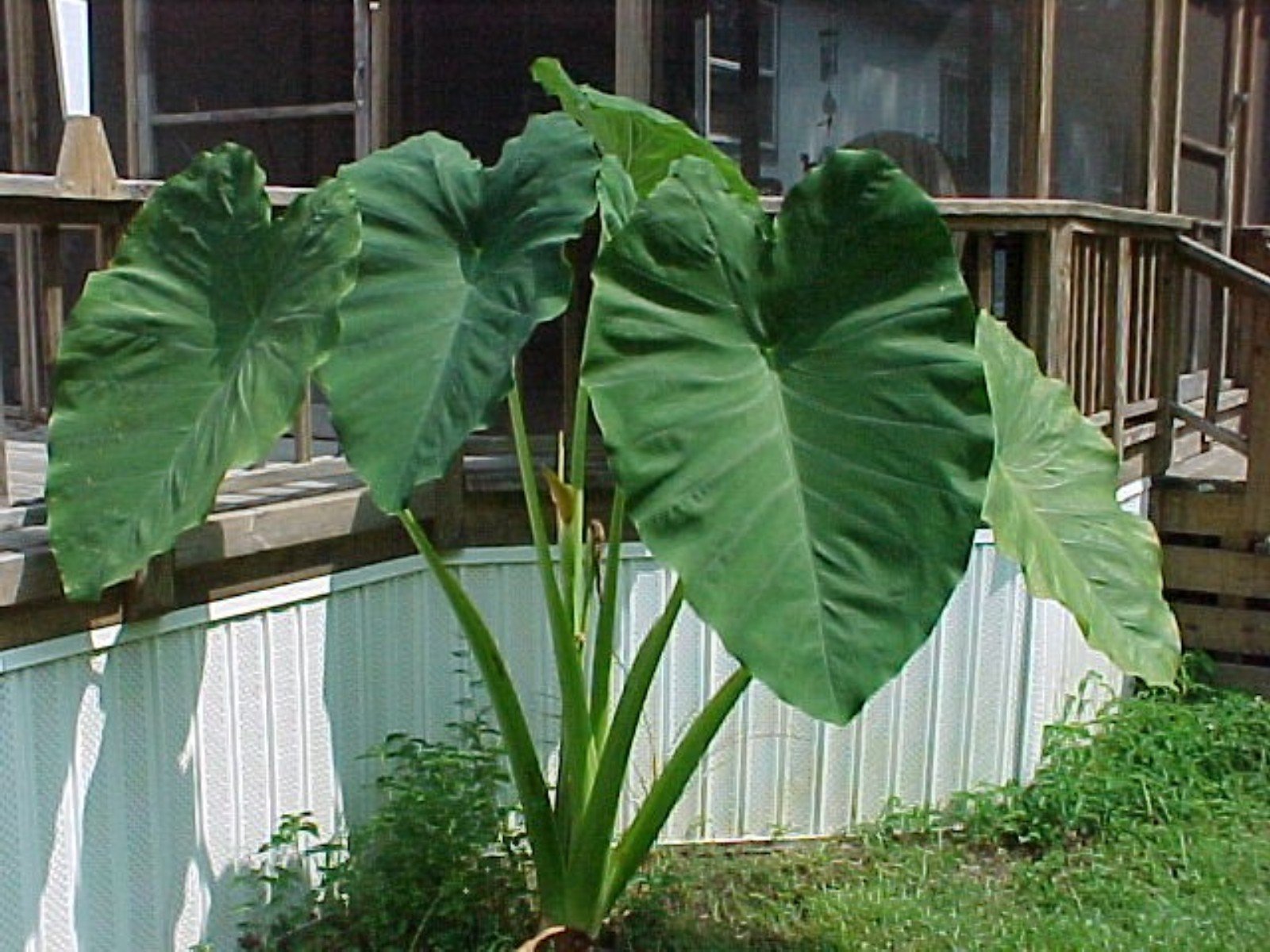
The high nutritional density of malanga is one reason why it may be good for you. Vitamin C, potassium, magnesium, and iron are just some of the vitamins and minerals it contains. These nutrients are crucial to one’s health and well-being as a whole.
| Nutrient | Amount per 100g |
|---|---|
| Calories | 112 kcal |
| Carbohydrates | 26.46 g |
| Fiber | 4.1 g |
| Sugars | 0.49 g |
| Protein | 1.5 g |
| Fat | 0.2 g |
| Saturated Fat | 0.05 g |
| Monounsaturated Fat | 0.05 g |
| Polyunsaturated Fat | 0.08 g |
| Omega-3 Fatty Acids | 0.02 g |
| Omega-6 Fatty Acids | 0.06 g |
| Vitamins & Minerals | |
| Vitamin C | 4.5 mg |
| Vitamin B6 | 0.283 mg |
| Folate (Vitamin B9) | 22 μg |
| Vitamin E | 1.49 mg |
| Vitamin K | 1 μg |
| Thiamin (Vitamin B1) | 0.095 mg |
| Riboflavin (Vitamin B2) | 0.025 mg |
| Niacin (Vitamin B3) | 0.6 mg |
| Pantothenic Acid (Vitamin B5) | 0.259 mg |
| Calcium | 43 mg |
| Iron | 0.55 mg |
| Magnesium | 33 mg |
| Phosphorus | 59 mg |
| Potassium | 591 mg |
| Sodium | 11 mg |
| Zinc | 0.23 mg |
| Copper | 0.172 mg |
| Manganese | 0.383 mg |
The Role of Malanga in Blood Sugar Regulation
The low glycemic index (GI) of malanga is one of the main reasons it is considered a diabetes-friendly root vegetable. A food’s glycemic index score indicates how much it will raise or lower blood sugar levels.
Low GI foods are better for diabetics since they raise blood sugar levels less rapidly and more steadily.
Malanga’s glycemic index is lower than that of potatoes, rice, and other starchy vegetables, according to scientific research. That’s why eating malanga has a lesser impact on blood sugar levels and contributes to improved glucose regulation.
The Importance of Fiber in Diabetes Management
Malanga is high in both soluble and insoluble fiber, two essential components of a diet for people with diabetes. Maintaining steady blood sugar levels is made easier with the aid of soluble fiber, which forms a gel-like material in the digestive system. However, insoluble fiber increases stool volume, which both aids digestion and encourages frequent bowel motions.
People with diabetes may take advantage of fiber’s beneficial effects on blood sugar regulation and digestive health by including malanga in their daily diets.
Expert Insights
The potential advantages of malanga for those with diabetes have also been acknowledged by nutritionists and dietitians. They stress that although malanga may be a helpful addition to a diabetes-friendly diet, it is still important to monitor portion sizes and total carbohydrate consumption. For optimal health, a diet that includes malanga should also include other nutrient-dense foods.
Incorporating Malanga into Your Diet

Including malanga in your diet may be an exciting and tasty adventure. Like other root vegetables, it may be cooked in a variety of ways, including boiling, roasting, and mashing. Some suggestions for using malanga in your cooking:
- Malanga Fries: Thinly slice the malanga and combine it with olive oil and the seasonings of your choice. Crisp them up in the oven for a lighter take on french fries.
- Malanga Mash: Malanga should be boiled until soft, at which point it should be mashed with a little low-fat milk and some butter or olive oil. Add some salt and pepper to make a tasty accompaniment.
- Malanga Soup: Make hearty soups out of malanga. It makes a healthy and diabetes-friendly dinner when paired with veggies, lean meats, and a tasty broth.
Conclusion
Finally, malanga is an excellent root vegetable that may help those with diabetes in many ways. For people with diabetes or who want to help keep their blood sugar stable, this food is a great complement to a healthy diet because of its low glycemic index, high fiber content, and necessary nutrients.
It is important to work with a healthcare provider or a qualified dietitian to create a diet plan that is specific to one’s requirements and tastes before making any major adjustments to one’s eating habits. Malanga, with its distinct flavor and nutritional richness, maybe a useful ally in boosting general health and well-being for all persons.