



It can be tempting to lose 10 pounds quickly, whether you’re getting ready for a trip, a wedding, or something else important. Rapid weight loss might seem like a quick way to feel better, but it’s important to think about the pros and cons of this plan.
As a chef and trainer, I’ve helped a lot of people who had big goals and little time to reach them. You might be able to lose 10 pounds in a week in some situations, but it’s not usually safe or healthy to do that.
Let’s talk about the facts, the risks, and the healthier options so that you can make smart choices about how to lose weight.
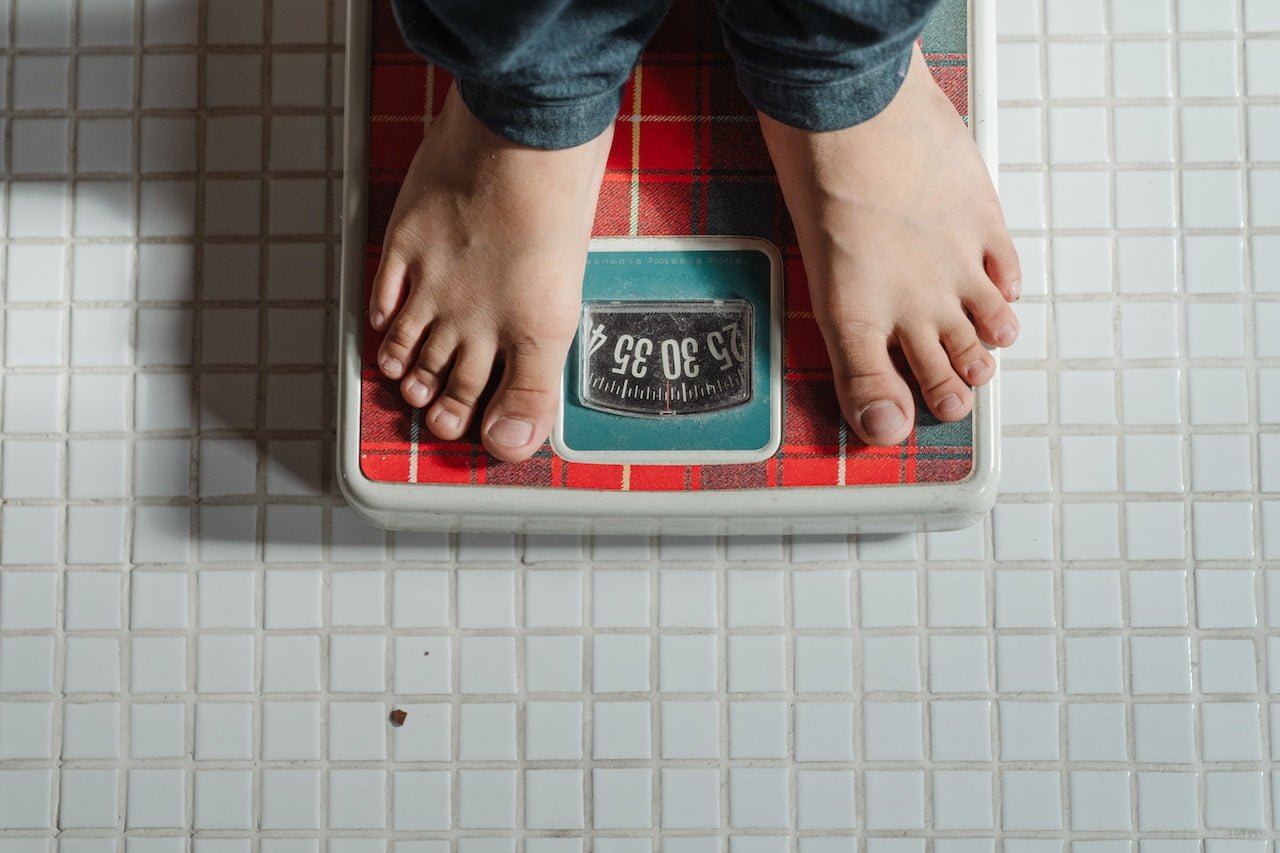
Can You Lose 10 Pounds in a Week?
It’s possible to lose 10 pounds in a week, but it’s not likely that all of that weight will be fat. Most of the time, when people lose weight quickly, they lose water weight, energy stores, and even muscle mass, not fat.
You need to lose about 3,500 calories in order to lose one pound of fat. To lose 10 pounds in a week, you would need to cut 35,000 calories, which is about 5,000 calories a day.
For most people, this is almost impossible to do with just food and exercise, unless they severely limit their calories or do very intense workouts, both of which are bad for their health.
The Risks of Rapid Weight Loss
Attempting to lose weight quickly may result in short-term gratification, but it often comes with significant risks:
- Dehydration
Much of the initial weight loss from extreme diets comes from water loss. Dehydration can lead to dizziness, fatigue, and kidney strain. - Nutritional Deficiencies
Cutting calories drastically may leave your body without essential nutrients like vitamins, minerals, and proteins, which can affect overall health. - Muscle Loss
Without enough protein or proper strength training, your body may break down muscle for energy, reducing metabolism and strength. - Metabolic Slowdown
Severe calorie restriction can cause your metabolism to adapt by slowing down, making it harder to lose weight in the long term. - Weight Regain
Quick fixes often result in rebound weight gain once normal eating resumes, leading to a cycle of yo-yo dieting.
Factors That Influence Weight Loss Rate
Several factors determine how quickly you can lose weight:
- Metabolism
A faster metabolism burns more calories at rest, aiding weight loss. Age, genetics, and muscle mass play a key role in determining metabolic rate. - Starting Weight
People with higher starting weights often lose weight more quickly in the beginning due to greater water weight loss and higher caloric burn during activity. - Sleep and Stress
Poor sleep and chronic stress can disrupt hormones like cortisol and ghrelin, which regulate hunger and fat storage, slowing weight loss progress. - Diet and Exercise
Your food choices, caloric intake, and physical activity levels are critical for determining how quickly you can lose weight.
What is a Realistic Weekly Weight Loss Goal?
A safe and attainable weight loss goal is 1-2 pounds per week, say health experts.
With this slow method, you can easily reach a calorie deficit of 500 to 1,000 calories per day by combining exercise and a healthy diet.
This fast weight loss helps you keep your muscle mass, avoids nutritional deficiencies, and makes it more likely that you will be able to keep up your progress in the long run.
It is possible to lose more than 2 pounds per week, but most of the time, you have to give up health and longevity to do it.
Tips for Losing Weight Safely
If you’re serious about losing weight, focus on sustainable strategies that support your overall well-being.
1. Eat in a Calorie Deficit
Create a daily calorie deficit of 250-500 calories. For example, you can reduce portion sizes, eliminate sugary drinks, or swap processed snacks for healthier options. Pair this with moderate exercise for effective results.
2. Focus on a Balanced Diet
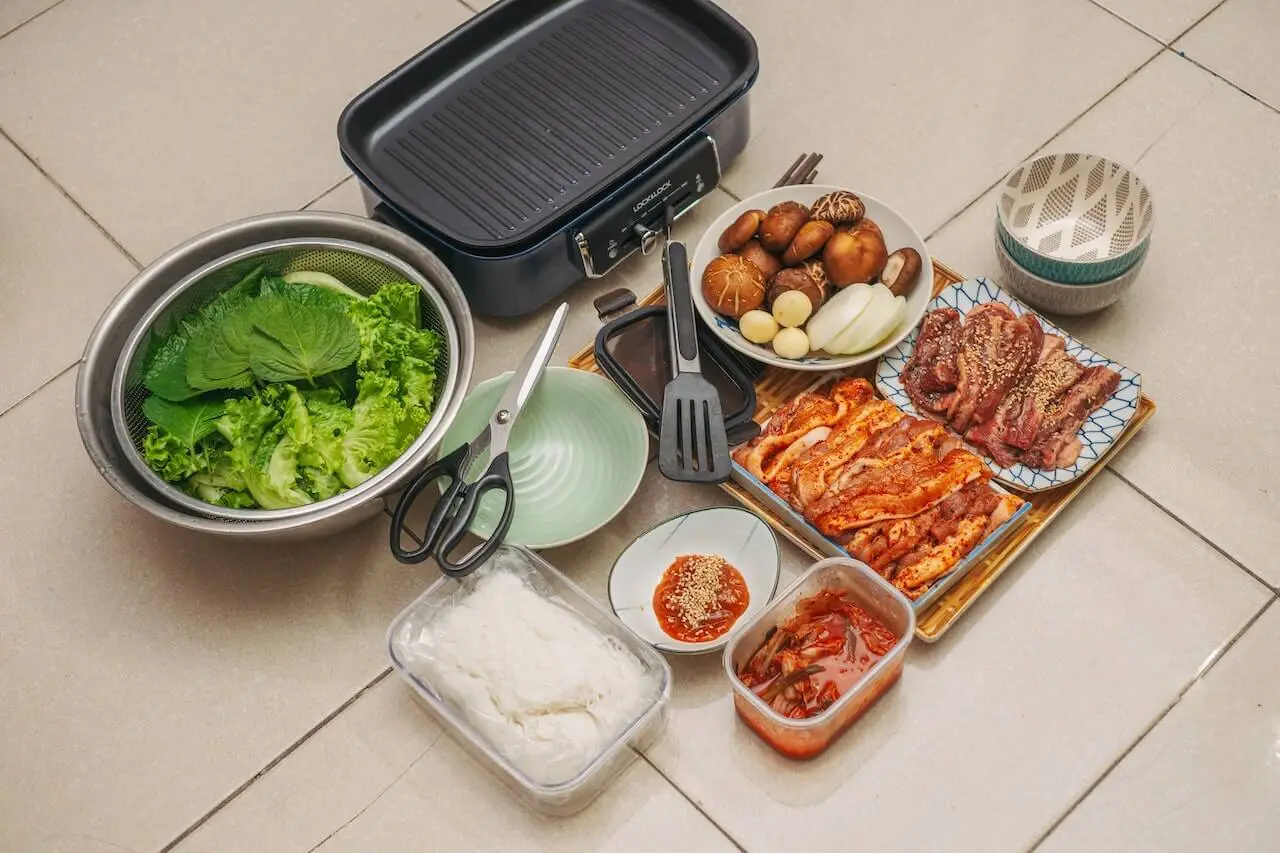
Prioritize nutrient-dense foods that provide essential vitamins and minerals while keeping you full. Include:
- Lean Proteins: Chicken, fish, eggs, tofu, and legumes.
- Whole Grains: Brown rice, oats, and quinoa.
- Healthy Fats: Avocados, nuts, and seeds.
- Fruits and Vegetables: High in fiber and antioxidants to support digestion and overall health.
3. Stay Hydrated
Drink at least eight cups (64 ounces) of water daily. Proper hydration aids digestion, curbs hunger, and prevents water retention. Add herbal teas or infuse your water with fruits for variety.
4. Exercise Regularly
Combine cardio and strength training for optimal fat loss. Cardio burns calories, while strength training builds muscle, which boosts metabolism. Aim for 150 minutes of moderate cardio and two strength-training sessions per week.
5. Manage Sleep and Stress
Poor sleep and chronic stress disrupt hormones that regulate appetite and fat storage. Create a bedtime routine, limit screen time, and practice stress-reducing activities like meditation or yoga to support your goals.
What to Do If You Need Quick Results
If you’re determined to look and feel lighter for an event, consider these temporary measures:
- Reduce Sodium
High-sodium foods cause water retention. Opt for fresh, unprocessed foods to reduce bloating. - Eat Potassium-Rich Foods
Foods like bananas, spinach, and oranges can help balance sodium levels and reduce water retention. - Avoid Carbonated Beverages
Carbonation can cause bloating. Stick to water or herbal teas. - Increase Light Activity
Gentle activities like walking can reduce bloating and improve circulation.
A Long-Term Perspective on Weight Loss
Instead of aiming for quick fixes, focus on building a healthy lifestyle. Set realistic goals and celebrate small victories along the way. Here’s why gradual progress matters:
- Preserves Muscle Mass: Slow weight loss ensures you lose fat, not muscle.
- Builds Habits: Gradual changes help you develop habits that last a lifetime.
- Reduces Health Risks: Steady progress minimizes the risks associated with rapid weight loss.