




If you’re living with diabetes, breakfast is more than just the first meal of the day, it sets the tone for your blood sugar levels, energy, and appetite for hours to come.
Eggs have long been considered one of the healthiest breakfast foods because they’re naturally low in carbohydrates, rich in high-quality protein, and packed with essential nutrients.
But when it comes to choosing between hard-boiled eggs and scrambled eggs, many people wonder which option is healthier for managing diabetes.
The answer isn’t as simple as picking one over the other. Both hard-boiled and scrambled eggs can be excellent choices for people with diabetes when prepared properly.
The biggest difference isn’t the egg itself, it’s how it’s cooked and what you eat with it. Let’s take a closer look at what science says.
Why Eggs Are a Smart Choice for People with Diabetes
Eggs are considered a low-carbohydrate food, meaning they have very little impact on blood sugar levels. A single large egg contains approximately:
| Nutrient | Amount (1 Large Egg) |
|---|---|
| Calories | 72 |
| Protein | 6.3 g |
| Total Fat | 4.8 g |
| Saturated Fat | 1.6 g |
| Carbohydrates | 0.4 g |
| Fiber | 0 g |
| Cholesterol | 186 mg |
| Sodium | 71 mg |
| Vitamin D | Good source |
| Vitamin B12 | Good source |
| Choline | About 147 mg |
| Selenium | Good source |
Protein slows digestion, helping you feel full longer while reducing the likelihood of blood sugar spikes after meals. Eggs also provide choline, vitamin D, selenium, lutein, and zeaxanthin, nutrients that support brain health, immunity, and eye health.
According to the American Diabetes Association (ADA), protein-rich foods can play an important role in balanced meals because they have minimal direct impact on blood glucose while promoting satiety.
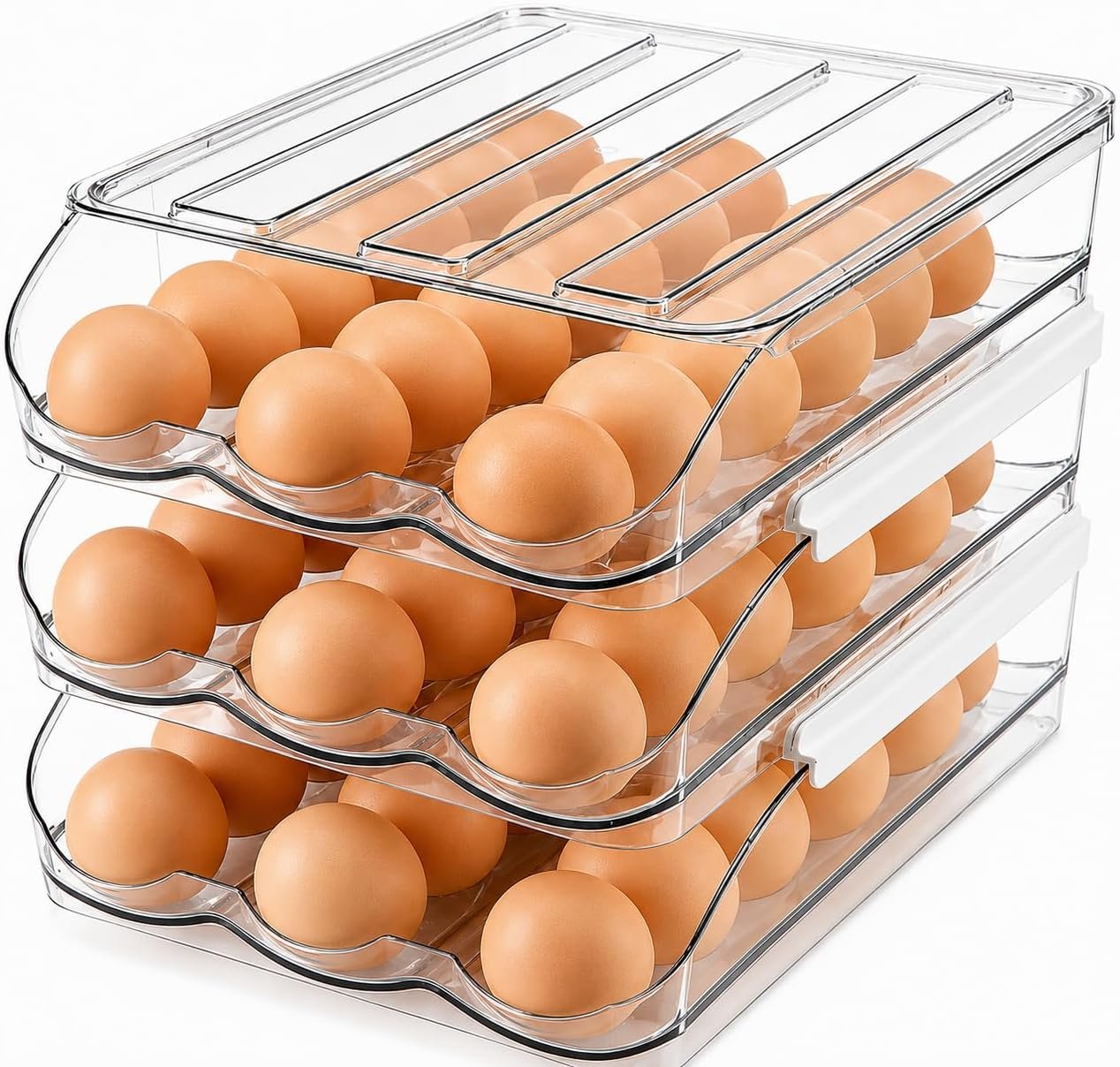
54 Egg Storage For Refrigerator With Egg Cracker Tool
Do Eggs Raise Blood Sugar?
One of the biggest myths surrounding eggs is that they raise blood sugar. In reality, eggs contain almost no carbohydrates, making them one of the most blood sugar-friendly foods available.
Glycemic Index (GI): 0
Glycemic Load (GL): 0
Foods with a GI of zero do not significantly increase blood glucose after eating. However, what you pair with eggs matters.
For example:
- Eggs with white bread and sugary juice may raise blood sugar considerably.
- Eggs with avocado, vegetables, and whole-grain toast provide a more balanced meal with slower glucose absorption.
Hard-Boiled Eggs
Hard-boiled eggs are often considered the healthiest way to enjoy eggs because they require no butter, oil, or cream during cooking.
Their biggest advantages include:
- No added cooking fats
- Easy portion control
- Portable snack
- High in protein
- Low in carbohydrates
- Convenient meal prep option
For busy mornings, hard-boiled eggs are one of the easiest diabetes-friendly foods. They can be prepared in advance and stored in the refrigerator for up to one week, making healthy eating more convenient.
Because no extra fat is added, hard-boiled eggs generally contain fewer calories than scrambled eggs cooked with butter.
Scrambled Eggs
Scrambled eggs often get an unfair reputation because many recipes include butter, heavy cream, processed cheese, or excessive salt.
However, scrambled eggs themselves are not unhealthy. The key is choosing healthier cooking methods.
Instead of butter, consider using:
- Extra virgin olive oil
- Avocado oil
- Non-stick cookware with minimal oil
Adding vegetables transforms scrambled eggs into a nutrient-dense meal.
Great vegetable choices include:
- Spinach
- Mushrooms
- Tomatoes
- Bell peppers
- Broccoli
- Kale
- Onions
- Zucchini
These vegetables add fiber, vitamins, minerals, and antioxidants while contributing very few carbohydrates.
Fiber is especially important for people with diabetes because it slows carbohydrate digestion and promotes more stable blood sugar levels.
Augason Farms Pasteurized Dried Scrambled Egg Mix

Which Cooking Method Preserves More Nutrients?
Both hard-boiled and scrambled eggs retain most of their nutrients. However, excessive heat can slightly reduce certain heat-sensitive vitamins.
Hard-boiled eggs cook inside their shells, protecting many nutrients. Scrambled eggs cooked over low to medium heat also retain most nutrients.
The healthiest approach is avoiding overcooking either preparation.
Comparing Different Egg Cooking Methods
Not all egg dishes are created equal.
Hard-Boiled Eggs
Pros:
- No added fat
- Easy meal prep
- Portable
- Lower calorie
Cons:
- Less versatile
- Some people find them dry
Scrambled Eggs
Pros:
- Easy to add vegetables
- Soft texture
- Highly satisfying
Cons:
- Can become high in calories if cooked with butter, cheese, or cream
Fried Eggs
Pros:
- Quick preparation
Cons:
- Often cooked in butter or excess oil
Vegetable Omelets
Pros:
- Excellent way to increase vegetable intake
- High protein
- High fiber when filled with vegetables
Cons:
- Can become calorie-dense if loaded with cheese and processed meats.
Eggs and Heart Health
People with diabetes have an increased risk of cardiovascular disease, making heart health an important consideration.
For years, dietary cholesterol from eggs was thought to significantly increase heart disease risk. However, more recent research suggests that for most healthy individuals, dietary cholesterol has a smaller effect on blood cholesterol than previously believed.
Instead, saturated fats and highly processed foods appear to have a greater influence on cardiovascular risk.
This means that how eggs are cooked may matter more than the eggs themselves.
For example:
Healthier choices:
- Olive oil
- Avocado oil
- Vegetables
- Herbs
- Black pepper
Less healthy additions:
- Butter
- Bacon
- Sausage
- Heavy cream
- Processed cheese
- Excess salt
Replacing processed breakfast meats with vegetables can significantly improve the nutritional quality of an egg-based meal.
The American Heart Association encourages eating nutrient-rich foods while limiting saturated fat, sodium, and processed meats to support cardiovascular health.
Which Is Better for Weight Management?
Maintaining a healthy weight is often beneficial for improving insulin sensitivity. Eggs are naturally filling because they’re rich in protein.
Studies have shown that high-protein breakfasts may reduce hunger later in the day, helping some people consume fewer calories overall.
Hard-boiled eggs have a slight advantage for weight management because they typically contain no added fats.
However, scrambled eggs prepared with vegetables and a teaspoon of olive oil remain an excellent choice.
The overall calorie difference is relatively small when healthy cooking methods are used.
The Importance of What You Eat With Eggs
While eggs themselves have almost no effect on blood sugar, the foods served alongside them can make a significant difference.
A balanced meal that combines protein, healthy fats, fiber, and complex carbohydrates is more likely to support steady glucose levels than one high in refined carbohydrates.
Here are some diabetes-friendly pairings:
Hard-Boiled Eggs
- Sliced avocado
- Fresh cucumber and tomato salad
- A handful of unsalted almonds or walnuts
- Whole-grain crackers in moderation
- Mixed leafy greens with olive oil dressing
Scrambled Eggs
- Spinach and mushrooms
- Bell peppers and onions
- Broccoli and tomatoes
- Kale and zucchini
- Whole-grain toast with avocado
These combinations increase fiber intake, helping slow digestion and promote longer-lasting fullness.
Fiber-rich vegetables also provide vitamins, minerals, and antioxidants that support overall health.
Foods to Limit With Eggs
The healthfulness of an egg meal often depends on what is added during cooking. Some popular breakfast ingredients can significantly increase saturated fat, sodium, and calories.
Try to limit:
- Bacon
- Sausage
- Ham high in sodium
- Heavy cream
- Butter in large amounts
- Processed cheese
- White bread
- Sugary breakfast pastries
- Sweetened fruit juices
Instead, season eggs with herbs and spices such as:
- Black pepper
- Paprika
- Turmeric
- Parsley
- Chives
- Basil
- Oregano
These add flavor without excess sodium or unhealthy fats.
Best Oils for Scrambled Eggs
If you prefer scrambled eggs, choosing the right cooking fat can improve the meal’s nutritional quality.
Some of the best options include:
Extra Virgin Olive Oil
Rich in heart-healthy monounsaturated fats and antioxidant compounds.
Avocado Oil
High smoke point and a good source of healthy fats.
Canola Oil
Contains relatively low saturated fat and can be used in moderation.
Using just one teaspoon of healthy oil is usually enough to prepare scrambled eggs while keeping calories under control.
Hard-Boiled vs. Scrambled Eggs: Side-by-Side Comparison
| Feature | Hard-Boiled Eggs | Scrambled Eggs |
|---|---|---|
| Added Fat | None | Depends on cooking method |
| Blood Sugar Impact | Very Low | Very Low |
| Protein | Excellent | Excellent |
| Convenience | Excellent | Moderate |
| Meal Prep | Easy | Best eaten fresh |
| Vegetable Options | Limited | Excellent |
| Calories | Usually Lower | Depends on ingredients |
| Weight-Loss Friendly | Excellent | Excellent when cooked with minimal oil |
| Heart Healthy | Excellent | Excellent if prepared with healthy oils |
Common Myths About Eggs and Diabetes
Myth 1: Eggs Raise Blood Sugar
This is false.
Eggs contain almost no carbohydrates and have a Glycemic Index (GI) of zero. They generally do not cause significant blood sugar spikes.
Myth 2: People With Diabetes Should Never Eat Egg Yolks
Not necessarily.
Egg yolks contain important nutrients, including vitamin D, vitamin A, vitamin B12, selenium, choline, lutein, and zeaxanthin. For many people, whole eggs can be part of a balanced eating pattern. Individuals with certain medical conditions or personalized dietary recommendations should follow guidance from their healthcare provider.
Myth 3: Egg Whites Are Always Healthier
Egg whites are an excellent source of protein and contain no cholesterol, but removing the yolk also removes many valuable vitamins, minerals, and healthy fats. Unless advised otherwise by a healthcare professional, whole eggs can provide a broader range of nutrients.
Myth 4: Scrambled Eggs Are Unhealthy
Scrambled eggs are only unhealthy if they’re prepared with excessive butter, cream, processed cheese, or fatty meats. Scrambling eggs with vegetables and a small amount of olive oil is a nutritious choice.
How Many Eggs Can People With Diabetes Eat?
There is no one-size-fits-all answer.
The appropriate amount depends on factors such as:
- Overall diet quality
- Physical activity
- Cholesterol levels
- Kidney function
- Heart health
- Personal medical history
Many healthy adults can include eggs regularly as part of a balanced diet, but it’s important to consider the overall dietary pattern rather than focusing on a single food.
If you have diabetes along with heart disease or other health conditions, consult your healthcare provider or a registered dietitian for personalized advice.
A Sample Diabetes-Friendly Breakfast
Here’s an example of a balanced breakfast that supports blood sugar management:
- Two eggs (hard-boiled or scrambled)
- One slice of whole-grain toast
- Half an avocado
- Sautéed spinach and mushrooms
- A small serving of berries
- Unsweetened green tea or black coffee
This meal provides protein, healthy fats, fiber, vitamins, and minerals while keeping added sugars low.
Frequently Asked Questions
Which type of egg is best for diabetics?
Both hard-boiled and scrambled eggs are healthy options. Hard-boiled eggs may have a slight advantage because they don’t require added fat, while scrambled eggs are ideal for incorporating fiber-rich vegetables.
Can people with diabetes eat eggs every day?
For many people, eggs can fit into a healthy eating plan. The best frequency depends on overall diet, medical history, and advice from a healthcare professional.
Are hard-boiled eggs better for weight loss?
They can be, since they usually contain fewer calories due to the absence of added cooking fats. Their high protein content also promotes satiety.
Are scrambled eggs healthier with vegetables?
Yes. Adding vegetables such as spinach, tomatoes, mushrooms, peppers, or onions boosts fiber, vitamins, and antioxidants without adding many carbohydrates.
What is the healthiest breakfast for diabetes?
A balanced breakfast includes lean protein, healthy fats, fiber-rich vegetables or fruit, and whole grains. Eggs paired with vegetables and whole-grain toast are one example.
Practical Tips for Including Eggs in a Diabetes Meal Plan
- Cook eggs using healthy methods like boiling, poaching, or scrambling with a small amount of olive oil.
- Fill half your plate with non-starchy vegetables.
- Pair eggs with high-fiber foods instead of refined carbohydrates.
- Limit processed breakfast meats and sugary drinks.
- Watch portion sizes and total daily calorie intake.
- Stay physically active to support healthy blood sugar levels.
- Focus on your overall eating pattern rather than one individual food.
The Verdict: Hard-Boiled or Scrambled?
When it comes to managing diabetes, both hard-boiled and scrambled eggs can be excellent choices.
Nutritionally, the egg itself remains nearly identical regardless of the cooking method. The real difference lies in the ingredients used during preparation and the foods served alongside it.
If your goal is simplicity, portion control, and fewer added calories, hard-boiled eggs have a slight edge. They require no added fat, are easy to prepare in advance, and make a convenient snack or breakfast.
If you enjoy variety, scrambled eggs prepared with a small amount of olive oil and loaded with vegetables are just as nutritious. The added vegetables increase fiber and micronutrient intake, making the meal more filling and balanced.
Ultimately, the healthiest choice isn’t simply hard-boiled versus scrambled, it’s choosing wholesome ingredients, minimizing processed additions, and pairing eggs with fiber-rich, nutrient-dense foods.
Combined with regular physical activity and an overall balanced diet, eggs can be a valuable part of a diabetes-friendly lifestyle that supports both blood sugar management and long-term health.