


There is a growing demand for healthy weight loss methods as the prevalence of obesity increases around the world. Cardio exercise is frequently recommended as an effective means of fat loss. So if cardio exercise does help you lose weight, how much and how often should you do it?
The American Council on Exercise suggests aerobic training as a means of reducing body fat and increasing metabolism. Aerobic exercise has been demonstrated to decrease overall body mass, BMI, and fat percentage in humans.
In this post, we’ll examine the research connecting cardio with weight loss, as well as highlight the top cardio methods for shedding unwanted pounds. Read on to learn more about the advantages of cardio for weight loss and general health, whether you’re a fitness rookie or a seasoned pro.
The Science of Fat Loss
Basic Science of Fat Loss
The fundamental principle of fat loss is to consume fewer calories than are needed by the body to maintain its current weight. A decrease in body fat occurs when the body’s energy reserves (in the form of fat) are depleted in order to meet the body’s metabolic demands. Maintaining an energy deficit over a prolonged period of time is necessary for fat loss.
How the Body Stores and Uses Fat
Adipose tissue, found subcutaneously and all over the body’s organs, is where excess fat is kept for later use. Adipose tissue stores surplus energy, or calories, when the body consumes more than it needs. To make up for the shortfall, the body draws upon its fat reserves.
Lipolysis is the breakdown of triglycerides (fat molecules) into glycerol and fatty acids, which are then utilized by the body as a source of energy.
The Role of Exercise in Fat Loss
Exercising aids in fat loss since it raises metabolic rate and helps you keep off the muscle you lose while dieting. Muscle is metabolically active tissue that burns calories even at rest, and resistance training (like weightlifting) can help you gain and keep this muscular mass.
By increasing the number of calories your body burns each day, cardiovascular exercise (like jogging or cycling) might aid in weight loss. Insulin and cortisol are two hormones that can affect fat accumulation and metabolism, and regular exercise can help keep them in check.
While exercise is necessary for fat loss, it is not enough on its own. A calorie-restricted diet is also necessary to achieve the same results.
What is Cardio?
What Cardio Exercise Is
Any physical activity that raises the heart rate and breathing rate for an extended length of time in order to boost the body’s oxygen consumption is considered cardio exercise. Running, cycling, swimming, rowing, and dancing are all examples of cardiovascular activities.
How Cardio Differs from Other Forms of Exercise
Cardiovascular exercise, in contrast to other forms of physical activity like weightlifting or stretching, is designed to strengthen and enhance the cardiovascular system. Cardiovascular activities aim to raise your heart and breathing rates to better supply your muscles and organs with oxygen and nutrients.
This is great for your heart and lungs and will help you work out longer and harder. When compared to stretching exercises, which aim to develop flexibility and range of motion, strength training primarily focuses on building muscle mass and boosting strength. Although cardiovascular exercise has some positive effects on muscle and joint health, its primary purpose is to enhance cardiovascular fitness.
How Cardio Affects Fat Loss
Relationship Between Cardio and Fat Loss
In order for fat loss to take place, an energy deficit must first be created in the body, and cardio can be a useful strategy for accomplishing this. During aerobic exercises, the body will draw upon stored energy sources, including body fat, to maintain the elevated heart rate and breathing rate required by the exercise. Consistent cardiac exercise and a calorie-restricted diet can help you lose weight over time.
Benefits of Cardio for Fat Burning
When it comes to losing weight, cardio has many advantages:
- Increased calorie expenditure: Aerobic workouts are effective for reducing body fat and increasing energy expenditure. When exercising at a higher intensity, the body burns more calories. Depending on the runner’s weight and pace, a 30-minute run can result in a calorie burn of 300-400.
- Improved metabolism: The body’s ability to burn calories and fat during rest can be enhanced with regular aerobic exercise. This is due to the fact that building muscle requires more energy to maintain than fat does, and aerobic exercise aids in accomplishing this goal.
- Reduced appetite: Cardiovascular activity has been shown to decrease hunger and heighten feelings of fullness, both of which can aid in maintaining a calorie-restricted diet.
- Improved insulin sensitivity: The hormone insulin controls blood sugar levels, and cardio exercise has been shown to increase the body’s sensitivity to insulin. By increasing the body’s insulin sensitivity, we can help it burn more glucose for fuel and prevent excess glucose from being stored as fat.
Debunking Common Cardio Myths
Among the most widespread false beliefs concerning cardiovascular exercise and weight loss are:
1. Myth 1
Cardio is essential for fat loss. Although cardiovascular exercise (such as running) can help you lose weight, it is not the sole method. Weightlifting, or resistance training, can aid in fat loss by increasing the body’s metabolism and calorie-burning potential through the maintenance and development of muscle mass.
2. Myth 2
In order to burn fat, you need to do cardio for a long time. False; a combination of a healthy diet and regular physical activity is all that’s needed to put the body into an energy deficit and start burning fat. Shorter, higher-intensity workouts can be just as beneficial for fat loss as longer cardio sessions.
3. Myth 3
Low-intensity aerobic training is optimal for weight loss. High-intensity interval training (HIIT) has been demonstrated to be more effective for fat reduction due to its capacity to burn more calories in less time and increase the body’s metabolism than low-intensity cardio (such as walking), making it an excellent alternative for novices or people with mobility concerns.
4. Myth 4
Fasted cardio has a greater fat-burning effect. It’s true that doing out on an empty stomach might make the body more dependent on fat for energy, but it doesn’t mean you’ll see more progress in your fat loss goals. Eating a healthy lunch or snack before cardio has been shown to increase performance, decrease muscle breakdown, and hasten fat loss.
Why Some Cardio/Fat Burning Myths Are False
Oversimplifying the intricate relationship between exercise and fat reduction results in the aforementioned myths regarding cardio and fat burning. To get the most out of cardio’s fat-burning potential, it’s best to pair it with some other sort of physical activity and a well-balanced diet.
Furthermore, one’s fitness level and goals should guide the selection of cardio mode, duration, and intensity. Last but not least, keep in mind that lasting weight loss is impossible with fast fixes or fad diets and requires dedication and effort.
Best Cardio Exercises for Fat Loss
Top Fat-Burning Cardio Exercises
The following are some of the most effective forms of cardio for weight loss:
1. Running
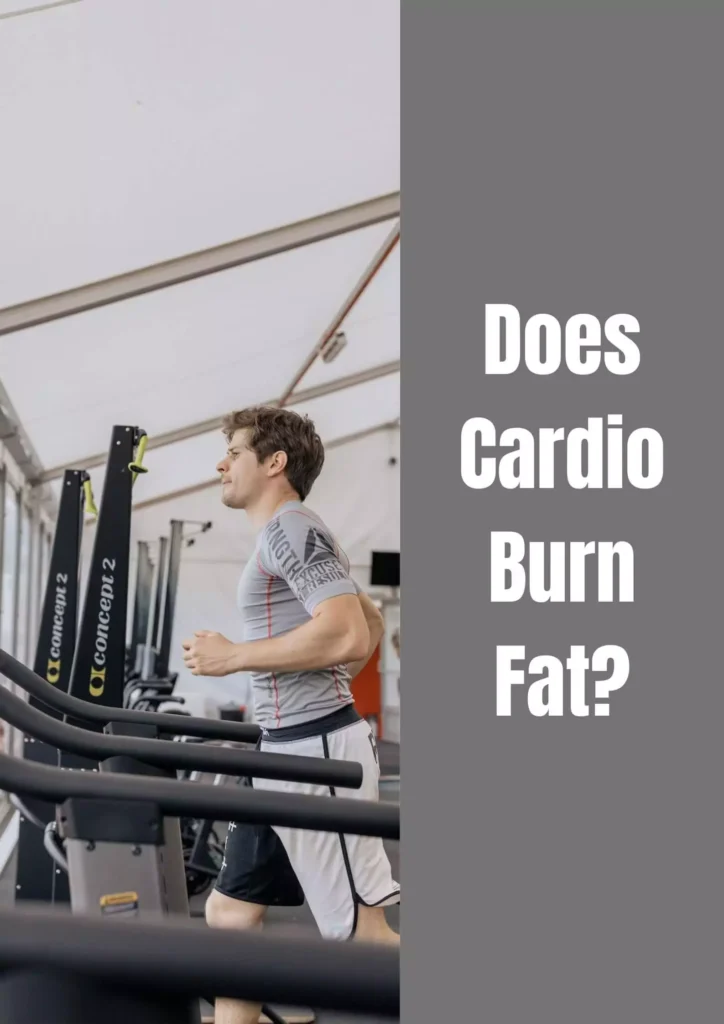
Running is a great cardio exercise because of the high intensity and impact it provides. It can be done indoors on a treadmill or track, or outdoors, and the speed and distance can be altered to accommodate a wide range of fitness levels.
2. Cycling
Indoor cycling on a stationary cycle or outdoor cycling on a conventional bike is both excellent low-impact cardio options. It’s a great way to get healthy and burn calories without putting too much strain on your body.
3. Rowing
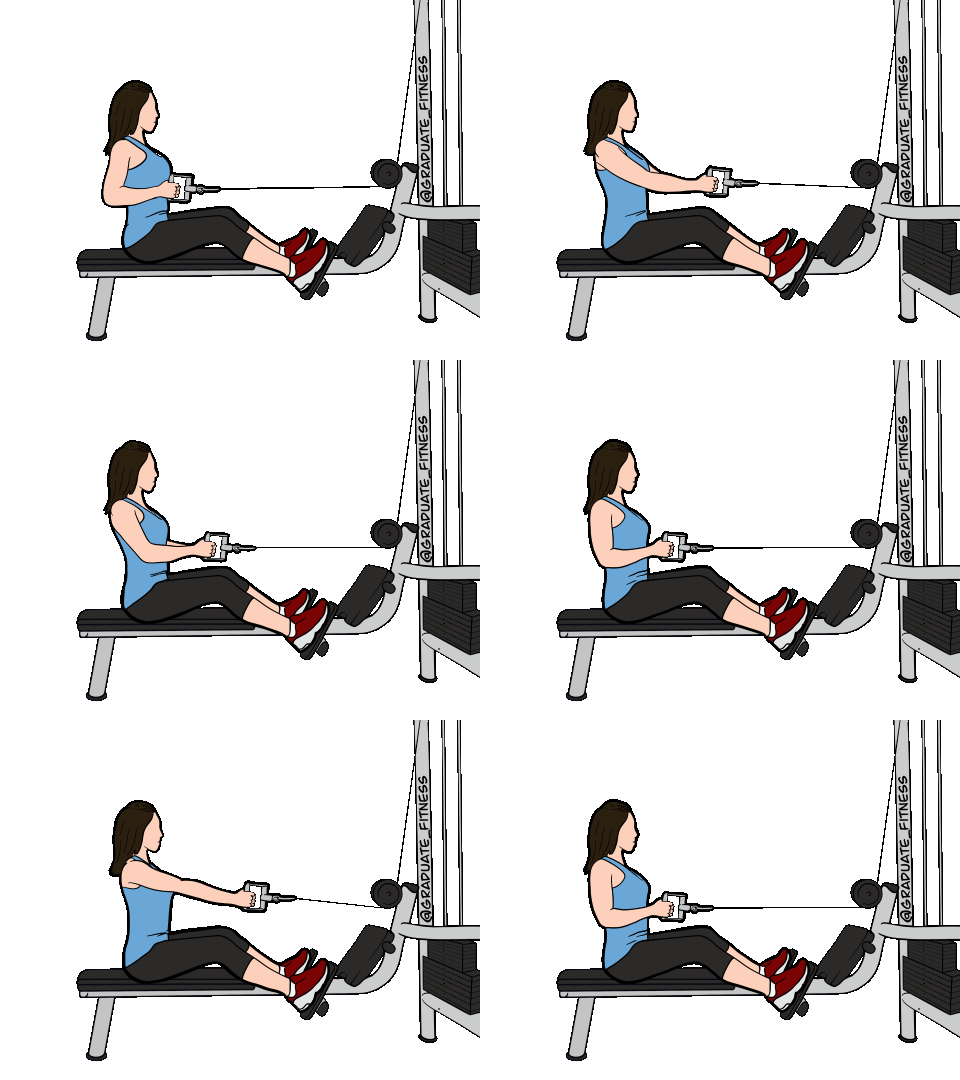
Rowing can aid with cardiovascular fitness, strength training, and calorie burning because it is a full-body, low-impact cardio workout. Rowing is a versatile exercise that may be done on land or water, and the resistance and duration can be adjusted to accommodate a wide range of fitness levels.
4. Swimming
Swimming is an excellent cardio workout that works the whole body and is easy on the joints. It’s versatile; you can do it in a pool, lake, or ocean, and you can tailor the intensity by changing your stroke length and frequency.
5. High-Intensity Interval Training (HIIT)
Interval training, or HIIT, consists of short bursts of very intense physical activity followed by shorter recovery periods or lighter workouts. It can be a very efficient strategy to burn calories and improve cardiovascular fitness in a shorter length of time, and it can be done with any sort of cardio exercise, such as jogging, cycling, or jumping jacks.
How to Perform These Exercises Effectively
Start with a good warm-up to get your muscles and joints ready for exercise and avoid getting hurt. Staying injury-free and getting the most out of your cardio workouts requires proper form and technique whether running, cycling, rowing, and swimming. Choose HIIT workouts and intervals that are within your fitness range, then work up to a higher intensity level over time.
Overexertion or injury can be avoided by paying attention to your body and modifying your workout accordingly. Finally, to keep your cardio workouts interesting and successful, you should incorporate some form of variety into your regular schedule.
Incorporating Cardio into a Weight Loss Plan
Using Cardio as Part of a Weight Loss Strategy
Assessing your fitness level and weight loss goals is the first step in incorporating cardio into your weight loss plan. After you know your target weight, you can choose the cardio intensity, duration, and frequency that will help you reach it. Here are a few suggestions for introducing cardio into an existing weight-loss strategy:
- Start slow: Starting off with low-intensity cardio and building up to longer and harder sessions is recommended for those who are new to exercising or haven’t worked out in a while.
- Choose activities you enjoy: The finest cardiovascular activity is the one you will actually do regularly. Try out a few different aerobic exercises to see which ones you enjoy the most.
- Combine cardio with resistance training: Building muscle and increasing metabolism with resistance exercise can aid in weight loss by increasing energy expenditure.
- Monitor progress: Keeping a log of your weight, height, and overall fitness level will keep you motivated and allow you to fine-tune your exercise as needed.
How Often and How Long to Do Cardio for Optimum Fat Burning
How often and for how long you should engage in cardio to maximize fat loss depends on your specific objectives and current fitness level. But, a good rule of thumb is to do at least 75 minutes of high-intensity exercise every week, or 150 minutes of moderate-intensity cardio.
You can do this every day for 20-30 minutes or set aside an hour to an hour and a half a few times a week. Consistency and patience are essential for long-term weight loss, so keep that in mind as well.
Frequently Ask Questions
Does Cardio Really Burn Fat?
Fat can be burned by doing cardio. In order to burn more calories and fat, cardiovascular activity raises the body’s metabolic rate. Cardiovascular workouts cause the body to tap into its fat reserves for energy. Long-term participation in cardiac exercise programs has been linked to lower body fat and greater weight loss success.
What is the best type of cardio for fat burning?
If you want to lose weight, the most effective form of cardio is the kind you’ll really do. Fat can be effectively burned by aerobic exercises including running, cycling, rowing, swimming, and high-intensity interval training (HIIT). If you want to see consistent results from your cardio training, you need to switch things up and progressively raise the intensity over time.
How long do I need to do cardio to burn fat?
Your fitness level, body composition, and workout intensity will determine how long cardio you need to burn fat. Aim for 150 or 75 minutes of moderate- or high-intensity cardio per week. You can take shorter workouts throughout the week or longer ones a few times a week.
Can I just do cardio to lose fat?
Cardio can help you lose weight, but you also need a healthy diet and resistance exercise to build muscle. Resistance training increases metabolism and fat burning over time.
How often should I do cardio for fat burning?
Your fat-burning cardio frequency depends on your goals and fitness level. Aim for three to five cardio sessions each week, each lasting 20–30 minutes. As you get fitter, increase cardio duration and intensity.