



What if one of the simplest changes you could make to support healthier blood sugar levels after dinner costs practically nothing?
It does not require an expensive supplement, a special diet drink, or a complicated nighttime routine.
It starts with something already available in almost every home: a glass of water.
Many people enjoy drinking fruit juice, soda, sweetened iced tea, or other flavored beverages after their evening meal.
However, these drinks can add extra sugar and carbohydrates to your diet, potentially making blood sugar management more challenging.
Replacing them with plain water is a simple habit that can make a meaningful difference to your overall nutrition.
In fact, the American Diabetes Association (ADA) specifically recommends choosing water over other beverages for people with diabetes and those at risk of developing the condition.
But why is water such a good choice after dinner?
And are other popular drinks equally suitable? Let’s look at what the latest diabetes recommendations say.
Why Is Water the Best Drink After Dinner?
The biggest advantage of water is that it contains no sugar, carbohydrates, or calories.
This means plain water does not directly contribute to a rise in blood glucose after a meal.
Consider what happens when you drink a regular soda or a glass of sweetened fruit juice after dinner.
These beverages can introduce additional carbohydrates into your system, even though you have already consumed carbohydrates through your evening meal.
Water does not add that extra sugar.
For someone monitoring blood glucose, replacing a sugary evening beverage with water is therefore a practical way to reduce overall sugar and carbohydrate consumption.
Water also supports normal hydration, which is important for kidney function and other essential bodily processes.
Your kidneys help regulate fluid balance and remove waste products from the body.
However, it is important to understand that drinking water does not work like diabetes medication.
It does not instantly remove excess glucose from your bloodstream or guarantee lower blood sugar readings.
Its primary benefit is that it replaces beverages that may contribute additional sugar and calories while helping maintain adequate hydration.
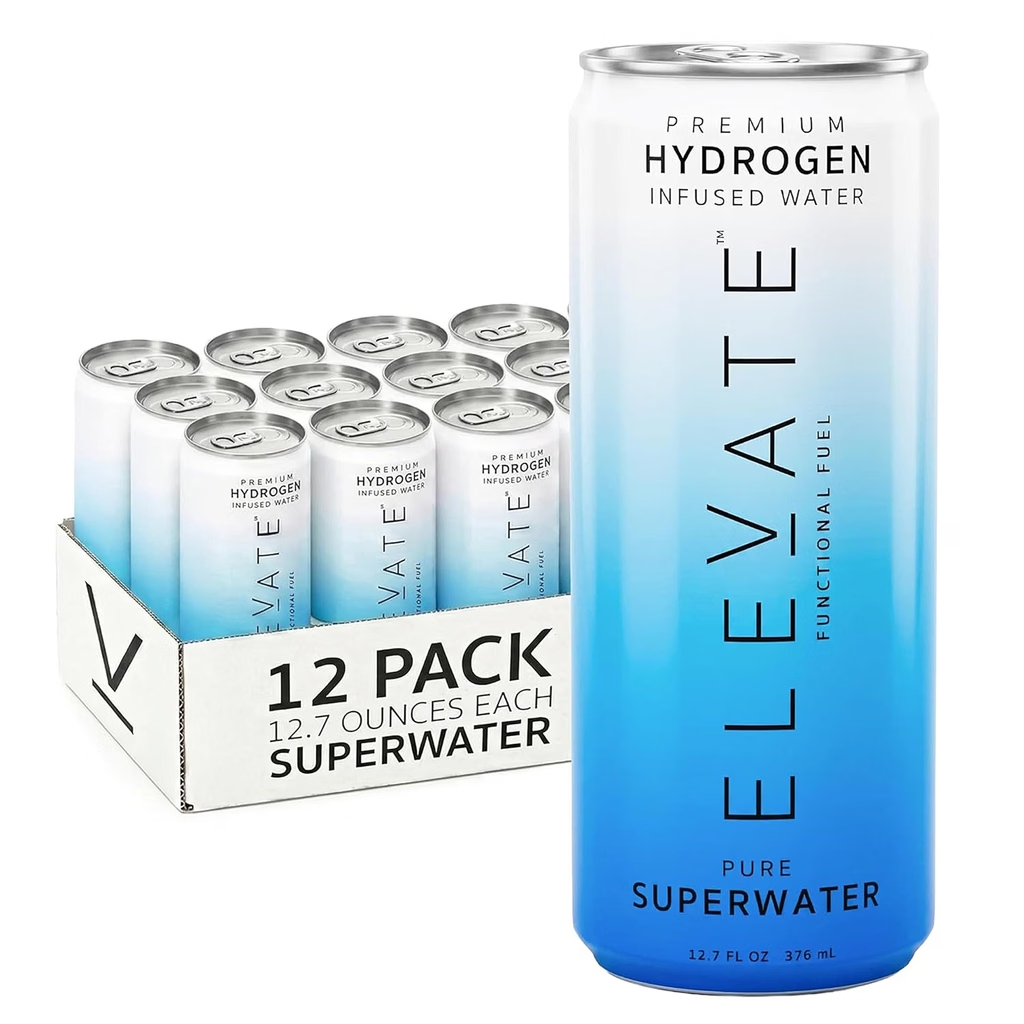
Elevate Premium Hydrogen Water,Supports Recovery,Backed by Science -12 Pack
What Does the American Diabetes Association Recommend?
The American Diabetes Association’s 2026 Standards of Care provide particularly useful guidance on beverage choices.
According to recommendation 5.21, people with diabetes and those at risk for diabetes should be encouraged to consume water over other beverages.
The ADA also recommends replacing sugar-sweetened beverages, including fruit juices, with water or low-calorie or no-calorie alternatives to support blood glucose management and reduce cardiometabolic disease risk.
The guidelines also offer suggestions for people who find plain water unappealing.
These include:
- Adding fresh lemon or lime slices.
- Including cucumber slices or berries.
- Choosing sparkling water without added sugar.
- Drinking flavored water with no calories.
- Adding fresh herbs such as mint, basil, or parsley.
The message is straightforward: water should be your primary beverage, while suitable no-calorie alternatives can provide variety.
You can read the original recommendations in the ADA’s 2026 Standards of Care in Diabetes, published in Diabetes Care.
Water vs. Other Popular Drinks: Which Is Better for Blood Sugar?
Not every drink you consume after dinner has the same nutritional impact. Some contain added sugars, while others provide hydration without introducing additional carbohydrates.
Here is a practical comparison.
| Beverage | Sugar and carbohydrate considerations | Everyday choice |
|---|---|---|
| Plain water | Zero sugar and carbohydrates | Excellent |
| Cucumber-infused water | Essentially zero when unsweetened | Excellent |
| Unsweetened sparkling water | Usually zero sugar | Excellent |
| Unsweetened herbal tea | Usually zero sugar and very few calories | Good |
| 100% fruit juice | Contains naturally occurring sugars and carbohydrates | Limit portions |
| Regular soda | Usually contains substantial added sugar | Best to replace |
| Sweetened iced tea | Often contains added sugar | Best to replace |
| Sweetened flavored water | Depends on the added sugar content | Check the label |
One important distinction is that fruit juice is not nutritionally identical to regular soda. However, even 100% fruit juice contains carbohydrates that can affect blood glucose.
This is why the ADA includes juice among the beverages people with diabetes should consider replacing with water or lower-calorie alternatives.
Also, do not assume that every product labeled flavored water or sparkling water is sugar-free. Check the Nutrition Facts label for total carbohydrates and added sugars.
Does Drinking Water After Dinner Actually Lower Blood Sugar?
This is one of the most important questions to understand.
Water is a smart beverage choice, but it should not be confused with a treatment for high blood sugar.
If your glucose rises after dinner, the main contributors can include the amount and type of carbohydrates in your meal, portion sizes, physical activity, medication, and individual insulin response.
Drinking water instead of a sugary beverage can prevent additional beverage-related carbohydrates from entering your diet.
Maintaining proper hydration also supports normal kidney function.
However, drinking several glasses of water will not reliably bring an elevated glucose reading back to normal.
If you have diabetes, continue following your prescribed treatment plan, medication schedule, and glucose-monitoring instructions.
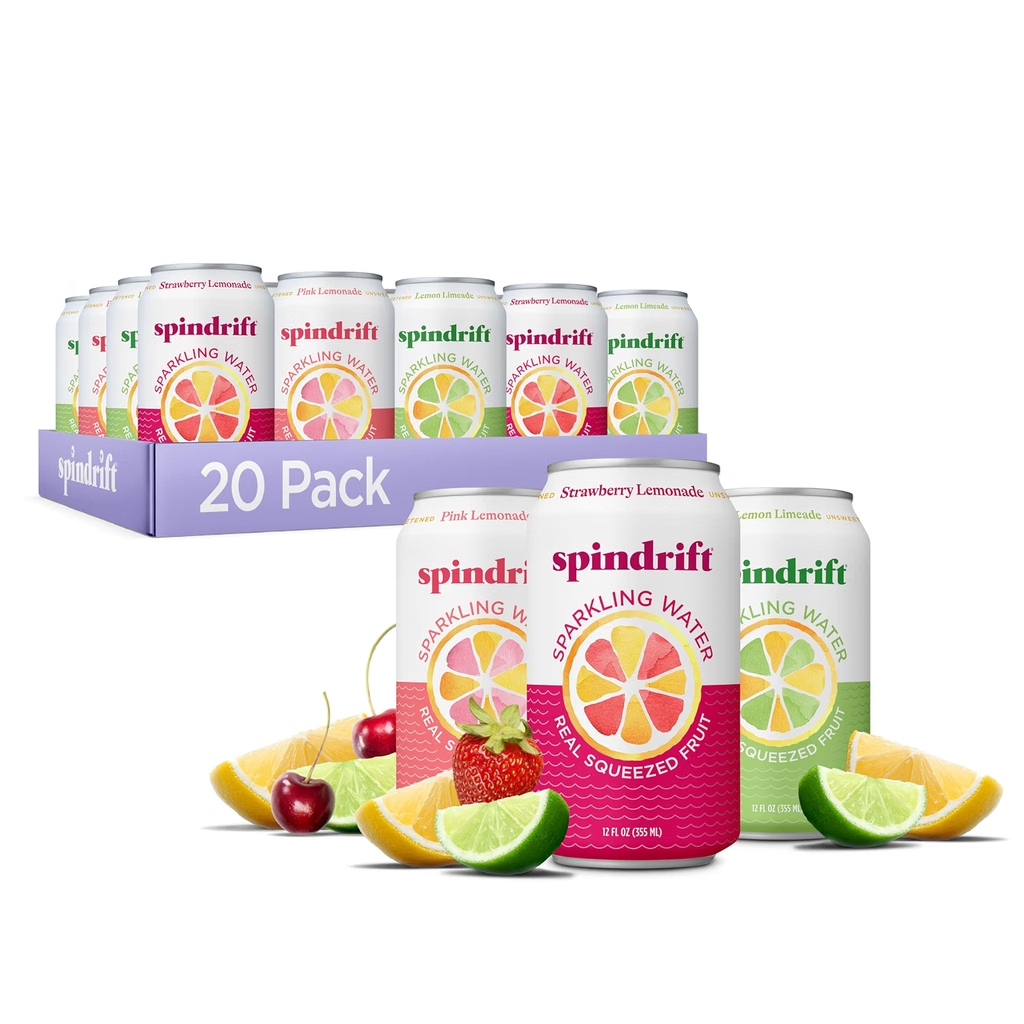
Spindrift Lemonade 3 Flavor Variety 20 Pack
Five Easy Ways to Make Your Evening Water More Enjoyable
If you regularly reach for soda or juice because plain water tastes boring, try these simple alternatives.
1. Add fresh lemon: A few slices of lemon can give water a refreshing citrus flavor without requiring added sugar.
2. Try cucumber water: Add several cucumber slices to a glass or pitcher of cold water. Allow it to sit briefly before drinking.
3. Make berry-infused ice cubes: Place a few berries in an ice cube tray, add water, and freeze. Add the cubes to your evening glass.
4. Add fresh mint: Mint leaves provide a refreshing flavor without adding meaningful carbohydrates when used as a garnish.
5. Choose unsweetened sparkling water: If you enjoy carbonated beverages, sparkling water can provide a satisfying alternative to regular soda. Look for products without added sugar.
These small changes can make choosing water easier without making your evening routine feel restrictive.
A Simple Seven-Day After-Dinner Water Challenge
Building a healthy habit is often easier when you start with a small, achievable goal.
For the next seven days, try replacing your usual sugary after-dinner beverage with plain water or another suitable unsweetened, no-calorie alternative.
Pay attention to your beverage choices, check nutrition labels, and notice which alternatives you enjoy most.
This challenge is intended to help build a healthier beverage habit, not to promise a specific reduction in blood sugar.
[Insert interactive seven-day water challenge tracker here.]
Frequently Asked Questions
1. Is water the best drink after dinner for people with diabetes?
Yes. Plain water is an excellent everyday choice because it contains no sugar or carbohydrates.
The ADA recommends water as the primary beverage for people with diabetes and those at risk of developing the condition.
2. Can drinking water flush sugar out of your bloodstream?
No. Water does not directly flush excess glucose out of your bloodstream. Your kidneys help regulate glucose and fluid balance, but drinking excessive amounts of water is not a treatment for high blood sugar.
3. Is lemon water good for blood sugar?
Unsweetened lemon water is a suitable alternative to sugary drinks. However, there is no established evidence that lemon water lowers blood sugar more effectively than plain water.
4. Is sparkling water safe for people with diabetes?
Unsweetened sparkling water is generally a good beverage choice. Check the ingredients and Nutrition Facts label to make sure the product does not contain added sugar or carbohydrates.
5. Can people with diabetes drink fruit juice after dinner?
Fruit juice contains naturally occurring sugars and carbohydrates that can affect blood glucose. Water is generally a better everyday choice. People who enjoy fruit can discuss appropriate portions of whole fruit with their healthcare professional or registered dietitian.
6. Should you drink water immediately before going to bed?
You do not need to follow a special bedtime water schedule for blood sugar management. Drink according to your hydration needs and personal medical advice. People with kidney disease, heart failure, or prescribed fluid restrictions should follow their healthcare professional’s recommendations.
The Bottom Line
Choosing water after dinner is a small but practical step toward healthier beverage habits.
It helps you avoid the extra sugar and carbohydrates found in many popular evening drinks while supporting normal hydration.
The American Diabetes Association’s 2026 recommendations reinforce this message: make water your primary beverage and replace sugar-sweetened drinks with water or suitable low-calorie alternatives.
You do not need an expensive product or complicated nighttime routine to make a better choice. Sometimes, the simplest option is also the smartest one.
Medical disclaimer: This article is for educational purposes only and is not a substitute for professional medical advice, diagnosis, or treatment.
People with diabetes should follow their individualized care plans and consult their healthcare professionals about nutrition and hydration needs.
Sources and further reading:
- American Diabetes Association. 5. Facilitating Positive Health Behaviors and Well-being to Improve Health Outcomes: Standards of Care in Diabetes—2026. Diabetes Care. https://doi.org/10.2337/dc26-S005
- American Diabetes Association. Standards of Care in Diabetes. https://professional.diabetes.org/standards-of-care