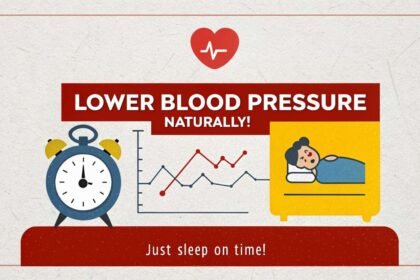




New study shows an alarming link between having high blood pressure and not getting enough sleep and how they affect brain health together.
Studies show that this pairing may speed up brain aging, make cognitive loss worse, and raise the risk of brain injury.
Americans who deal with high blood pressure and sleep problems need to know about these links for their long-term brain health.
Key Findings from Recent Studies
New research in the Journal of the American Heart Association show how having high blood pressure and not getting enough sleep can hurt your brain.
People who took part who had high blood pressure and less than six hours of sleep had major cognitive problems and indicators of brain injury.
People with normal blood pressure, on the other hand, did not have these benefits, even when they slept the same way.
This finding shows how important blood pressure is in regulating the harmful effects of not getting enough sleep on brain health.
The Role of High Blood Pressure in Brain Aging
It is well known that high blood pressure, or hypertension, can lead to cognitive loss and dementia. It also makes conditions like cerebral small vessel disease more likely. This disease damages the brain’s small blood vessels, which in turn causes:
- White matter lesions: Impairing connectivity between brain regions.
- Gray matter reduction: Affecting critical functions like decision-making and memory.
When these conditions are combined with not getting enough sleep, they may get worse, damaging brain cells faster and raising the risk of dementia.
Studies show hypertension-related damage may make the brain more susceptible to sleep deprivation’s effects.
How Sleep Impacts Cognitive Health
Sleep is an important part of getting your brain back to normal. Not getting enough sleep, which is usually less than seven hours a night, messes up processes that keep your brain healthy.
Blood pressure naturally decreases during sleep, giving a restorative effect. But not getting enough sleep can:
- Eliminate blood pressure dips during sleep, exacerbating vascular strain.
- Reduce brain volume, particularly in gray matter critical for cognition.
- Impair executive functions, such as planning, reasoning, and decision-making.
For individuals with hypertension, these effects can compound, leading to marked cognitive and structural brain impairments.
U.S. Public Health Implications
The CDC says that almost half of American people have high blood pressure. One-third of U.S. adults say they sleep less than seven hours a night, which makes the point where these problems meet very important. High blood pressure and not getting enough sleep mostly affect:
- Minority groups: Who often face higher rates of hypertension due to socioeconomic disparities.
- Older adults: Who naturally experience cognitive decline but may worsen it with poor sleep habits.
Addressing these overlapping challenges could have wide-reaching implications for public health.
Early Detection and Intervention
Experts say that people should take proactive steps to lower the risks of cognitive loss that come with high blood pressure and not getting enough sleep.
As part of a whole-person approach to brain health, Dr. Matthew Pase, an associate professor at Monash University, stressed how important it is to keep an eye on blood pressure and get better sleep.
Key recommendations include:
- Regular Blood Pressure Monitoring: Ensuring early detection and management of hypertension.
- Sleep Hygiene Education: Encouraging habits like maintaining a consistent sleep schedule and minimizing screen time before bed.
- Tailored Therapies: Combining treatments for sleep disorders and high blood pressure to reduce risks of cognitive decline.
Room for Further Research
Even though the results are strong, the researchers are aware that there are some problems. Sleep patterns, for example, were only looked at for one night, so they might not show long-term habits.
Cognitive tests didn’t show many significant results; only one of six tests clearly linked not getting enough sleep to high blood pressure.
Even with these problems, the data suggests that we should look into how sleep and blood pressure affect brain health in more depth.
Practical Steps for Individuals
For Americans concerned about their brain health, the following steps can help:
- Monitor Sleep Quality: Use apps or devices to track sleep duration and patterns.
- Adopt Heart-Healthy Habits: Include regular exercise, a balanced diet, and stress management.
- Seek Medical Advice: If experiencing chronic sleep issues or high blood pressure, consult healthcare professionals for personalized interventions.
These lifestyle changes not only improve sleep and blood pressure but also reduce risks of broader health issues, including diabetes and cardiovascular diseases.
Policy Implications
The findings call for systemic changes to address these intertwined health challenges:
- Public Awareness Campaigns: Highlighting the importance of sleep and hypertension management for cognitive health.
- Accessible Sleep Clinics: Offering affordable evaluations and treatments for sleep disorders.
- Integrated Healthcare Approaches: Encouraging collaboration between cardiologists, neurologists, and sleep specialists to create comprehensive care plans.
The Bottom Line
Americans need to pay attention to the data that shows a link between high blood pressure, not getting enough sleep, and brain health.
As high blood pressure and not getting enough sleep become more widespread, their combined effects on brain aging and cognitive decline need to be looked at.
People can take important steps to keep their brains healthy into old age by making sure they get enough sleep and keep their blood pressure in a healthy range.
Until then, more study and public health efforts will be very important in reducing the effects of this silent threat on society as a whole.