By using this site, you agree to the Privacy Policy and Terms of Use.
Accept
𝐁𝐞𝐬𝐭𝐫𝐚𝐭𝐞𝐝𝐡𝐞𝐚𝐥𝐭𝐡𝐁𝐞𝐬𝐭𝐫𝐚𝐭𝐞𝐝𝐡𝐞𝐚𝐥𝐭𝐡𝐁𝐞𝐬𝐭𝐫𝐚𝐭𝐞𝐝𝐡𝐞𝐚𝐥𝐭𝐡
  • Health News
  • Diet & Nutrition
  • Healthy Foods
  • Healthy Drinks
  • Find Doctors
Font ResizerAa
𝐁𝐞𝐬𝐭𝐫𝐚𝐭𝐞𝐝𝐡𝐞𝐚𝐥𝐭𝐡𝐁𝐞𝐬𝐭𝐫𝐚𝐭𝐞𝐝𝐡𝐞𝐚𝐥𝐭𝐡
Font ResizerAa
  • Health News
  • Diet & Nutrition
  • Healthy Foods
  • Healthy Drinks
  • Find Doctors
Search
  • Health News
  • Diet & Nutrition
  • Healthy Foods
  • Healthy Drinks
  • Find Doctors

Top Stories

Explore the latest updated news!
How Watermelon May Help Improve Blood Flow and Support Heart Health

How Watermelon May Help Improve Blood Flow and Support Heart Health

New Experimental Diabetes Pill Burns Fat Without Ozempic

New Experimental Diabetes Pill Burns Fat Without Ozempic’s Common Drawbacks

Scientists Develop Smartwatch That Measures Blood Pressure Without a Cuff

Scientists Develop Smartwatch That Measures Blood Pressure Without a Cuff

Stay Connected

Find us on socials
248.1k Followers Like
61.1k Followers Follow
165k Subscribers Subscribe
Made by ThemeRuby using the Foxiz theme. Powered by WordPress
𝐁𝐞𝐬𝐭𝐫𝐚𝐭𝐞𝐝𝐡𝐞𝐚𝐥𝐭𝐡 > Blog > Health News > 5 Ways To Safely Raise Low Blood Pressure
Health News

5 Ways To Safely Raise Low Blood Pressure

Manoj Prasad
Last updated: January 15, 2026 12:43 am
By Manoj Prasad
No Comments
Share
SHARE
Moringa Magic Banner

1. Drink More Water

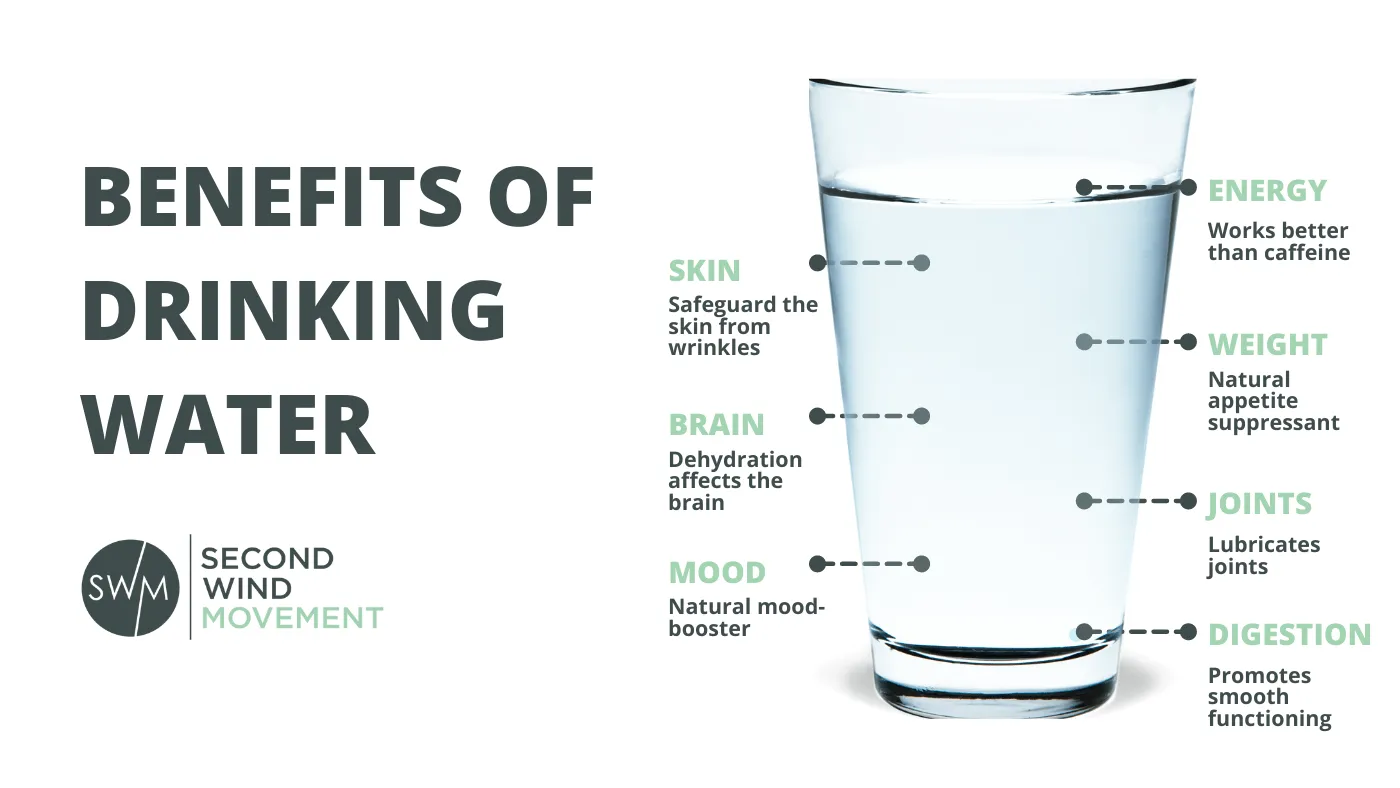
Low blood pressure is often linked to dehydration. Blood plasma is composed of roughly 90% water; when fluid intake is insufficient, overall blood volume decreases, reducing the pressure exerted on blood vessel walls. This can lead to symptoms such as dizziness, fatigue, and fainting. Increasing daily fluid intake helps restore circulating blood volume and supports stable blood pressure. For most adults, consuming approximately 6–12 cups of water per day is a practical target, though individual needs vary based on activity level, climate, and health status. Regular hydration throughout the day is more effective than consuming large amounts at once.
Contents
1. Drink More Water2. Increase Your Salt Intake (Carefully)3. Consume Caffeine Strategically4. Wear Compression Stockings5. Eat Small, Frequent Meals

2. Increase Your Salt Intake (Carefully)

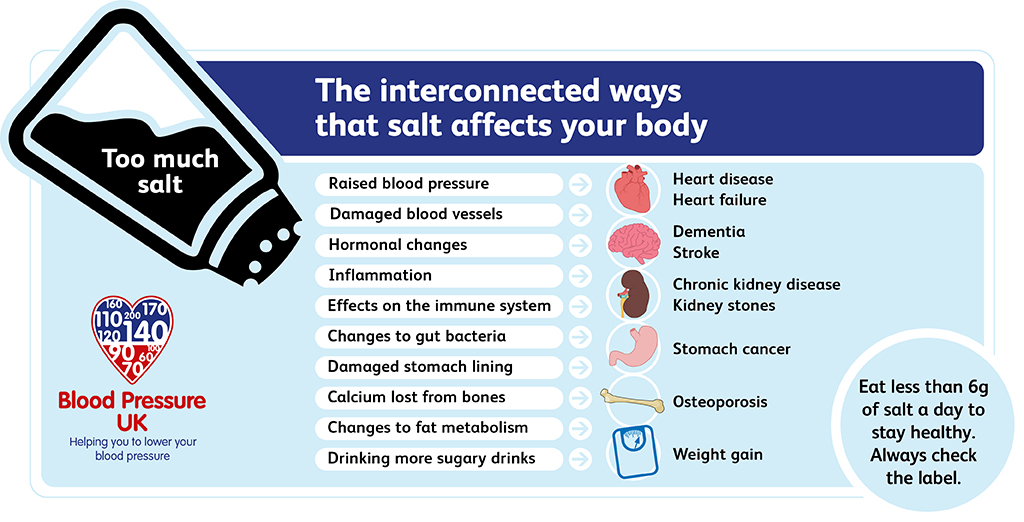
Sodium plays a central role in regulating blood pressure by helping the body retain water. A modest increase in salt intake can raise blood volume and, in turn, blood pressure. (Source) This approach is particularly helpful for individuals whose low blood pressure is linked to low sodium levels. However, balance is critical. Excessive sodium intake is associated with hypertension and cardiovascular disease. Salt should be increased only slightly and ideally under medical guidance, especially for individuals with heart, kidney, or metabolic conditions.

3. Consume Caffeine Strategically

Caffeine is a stimulant that temporarily constricts blood vessels, leading to a short-term rise in blood pressure. Beverages such as coffee or green tea can elevate blood pressure within 30 minutes, with effects lasting up to four hours. While useful as a short-term measure, caffeine is not a long-term solution. Excessive intake may cause jitteriness, anxiety, palpitations, or sleep disturbances. Moderation and timing, such as using caffeine earlier in the day, are essential.
4. Wear Compression Stockings

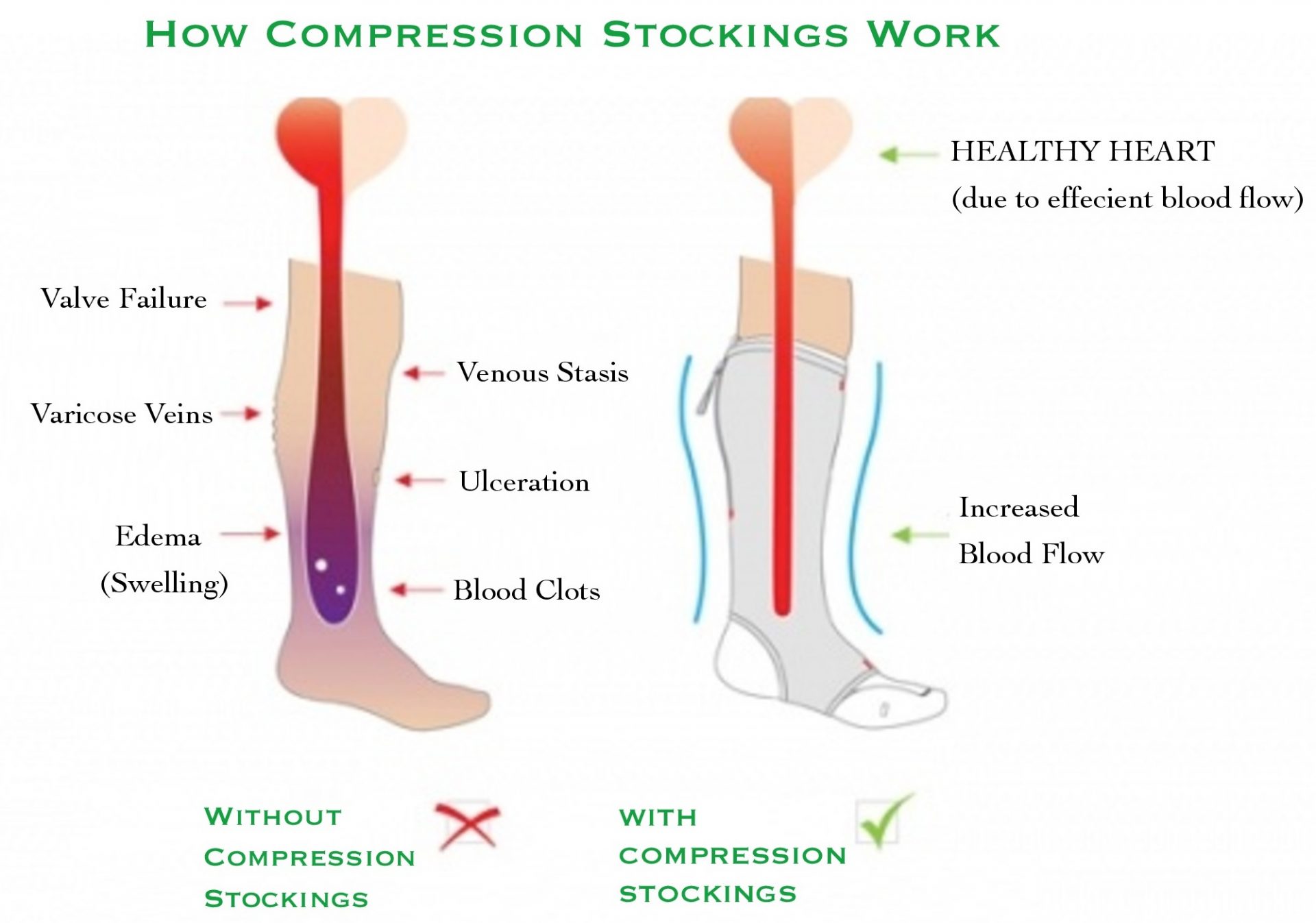
Compression stockings improve circulation by applying graduated pressure to the legs, preventing blood from pooling in the lower extremities. This promotes better blood return to the heart and can help stabilize blood pressure. Knee-high, thigh-high, or waist-high stockings may be used depending on severity and comfort. They are particularly beneficial for individuals who experience dizziness when standing. (Source)
5. Eat Small, Frequent Meals

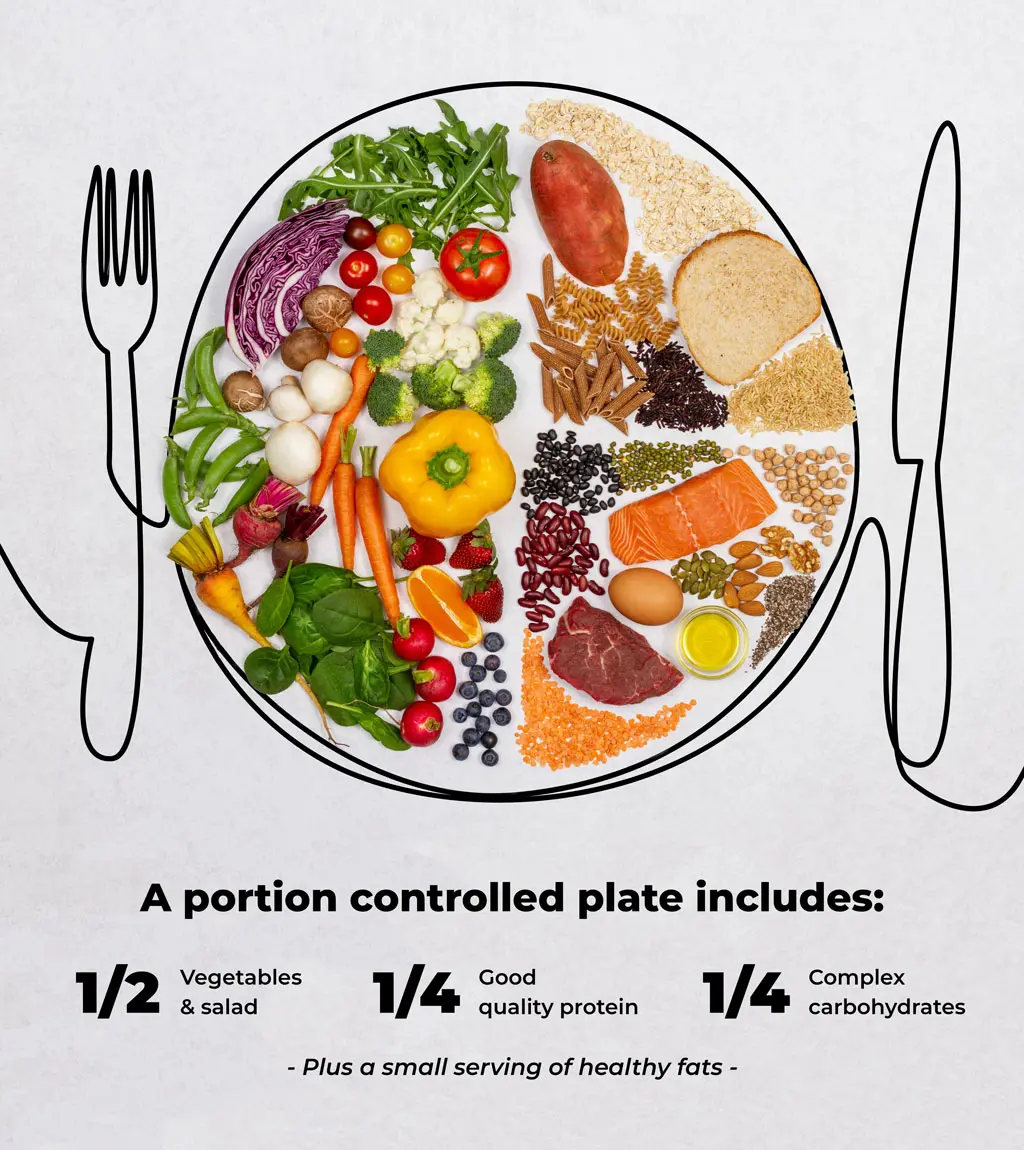
Postprandial hypotension, a drop in blood pressure after meals, is common in older adults and those with certain conditions. Large meals divert blood to the digestive system, reducing circulation elsewhere. Switching to smaller, more frequent meals helps maintain steadier blood pressure and reduces symptoms such as lightheadedness and nausea, supporting overall daily functioning.

Also See: Over 60? This Common Veggie Drops Blood Pressure in Just 2 Weeks | According to a New Study


You Might Also Like

Menopausal Symptoms May Increase Risk of Dementia, Study Finds
How Eating Fish Weekly Could Slow Brain Aging From Air Pollution
New Study Finds Simple Vitamin Could Prevent Skin Cancer
How Eating Soy Affects Your Risk of Cancer
The Complex Relationship Between Meal Timing, Diabetes Risk, and Sleep
Share This Article
Facebook Twitter Copy Link Print
ByManoj Prasad
Follow:
Manoj Prasad is a passionate nutritionist and dietician, known for creating personalized meal plans focused on natural, whole foods. He is also a health writer, sharing insights on healthy eating, nutritious foods and drinks, and the latest in wellness trends to help people make informed choices for better health.
Leave a Comment Leave a Comment

Leave a Reply Cancel reply

Your email address will not be published. Required fields are marked *

To respond on your own website, enter the URL of your response which should contain a link to this post's permalink URL. Your response will then appear (possibly after moderation) on this page. Want to update or remove your response? Update or delete your post and re-enter your post's URL again. (Find out more about Webmentions.)

- Advertisement -

Related Stories

Uncover the stories that related to the post!
Study Reveals How Much Exercise You Need Weekly to Control Blood Pressure
Health News

Study Reveals How Much Exercise You Need Weekly to Control Blood Pressure

Manoj Prasad
Manoj Prasad
January 28, 2026
New Studies Link Preservatives to Cancer and Diabetes
Health News

Hidden in Your Food? New Studies Link Preservatives to Cancer and Diabetes

Manoj Prasad
Manoj Prasad
January 10, 2026
Struggling With Hypertension These Powerful Diet Plans Could Change Everything
Health News

High Blood Pressure? Doctors Say These Diets Work Better Than You Realize

Manoj Prasad
Manoj Prasad
February 20, 2026
Weight Loss Injections May Cut Risk of Heart Failure by More Than 40%, Study Finds
Health News

Weight Loss Injections May Cut Risk of Heart Failure by More Than 40%, Study Finds

Manoj Prasad
Manoj Prasad
September 3, 2025
Stop Taking Omega-3s for Blood Sugar Until You Read This
Health News

Stop Taking Omega-3s for Blood Sugar Until You Read This

Manoj Prasad
Manoj Prasad
January 25, 2026
How to Beat Prediabetes Before It Becomes Type 2 Diabetes
Health News

How to Beat Prediabetes Before It Becomes Type 2 Diabetes

bestratedlist@gmail.com
October 13, 2025
Intermittent Fasting May Help Prevent Heart Attacks and Strokes
Health News

Intermittent Fasting May Help Prevent Heart Attacks and Strokes, New Study Finds

Manoj Prasad
Manoj Prasad
March 7, 2025
What 48 Years of Egg Research Means for Your Breakfast Plate Today
Health News

What 48 Years of Egg Research Means for Your Breakfast Plate Today

Manoj Prasad
Manoj Prasad
February 14, 2025
Show More
Follow US
Copyright © 2026 Bestratedhealth.com
  • About Us
  • Team
  • Contact Us
  • Privacy Policy
Welcome Back!

Sign in to your account