



A major breakthrough in global healthcare could soon make effective weight-loss and diabetes treatment far more affordable.
Researchers have estimated that semaglutide, a widely used drug for obesity and Type 2 diabetes, could cost as little as $3 per month to manufacture once patent protections expire in several countries.
This development could significantly improve access to treatment in low- and middle-income nations where the burden of these chronic diseases is rapidly rising.
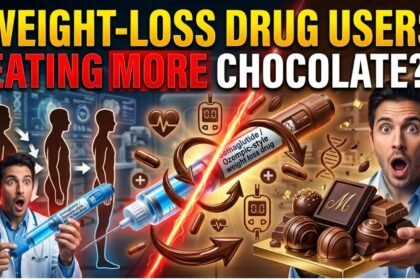
Semaglutide is the active ingredient in well-known medications such as Ozempic and Wegovy, produced by Danish pharmaceutical company Novo Nordisk.
These drugs have gained global attention for their effectiveness in helping patients lose weight and control blood sugar levels.
However, despite their clinical benefits, their high cost has limited access for many patients.
In the United States, branded semaglutide treatments can cost around $200 per month, making them unaffordable for a large portion of the global population.
The situation could change as semaglutide begins to lose patent protection in several countries, including India, Brazil, and China.
According to researchers from Imperial College London, the University of Witwatersrand in South Africa, and institutions in New Zealand, generic pharmaceutical manufacturers could soon produce the drug at a fraction of its current price.
Their analysis suggests that manufacturing a one-month supply could cost roughly $3, based on pricing patterns observed when other medications lost patent protection.
The researchers also identified 150 countries where semaglutide was never patented, meaning generic versions could potentially be produced and distributed without legal barriers.
In total, about 160 countries will soon have no patent restrictions on the drug.
These countries represent approximately 69 percent of the global population living with Type 2 diabetes and 84 percent of people suffering from clinical obesity, indicating the massive potential impact of lower-cost treatment.
The health implications of expanding access to semaglutide are significant. Obesity and Type 2 diabetes are both chronic conditions that substantially increase the risk of severe health complications.
These include heart disease, stroke, kidney failure, and certain cancers. According to global health estimates, clinical obesity alone contributes to 3.7 million deaths each year worldwide.
Meanwhile, hundreds of millions of people are living with Type 2 diabetes, which can lead to blindness, limb amputations, and life-threatening organ damage if not properly managed.
Dr. Samuel Cross of Imperial College London, one of the study’s authors, emphasized the transformative potential of affordable generic versions.
He explained that reducing drug prices to sustainable levels could enable millions of patients to access effective treatment for conditions that often remain untreated due to cost barriers.
Wider access could help reduce long-term complications and improve overall public health outcomes.
The researchers believe the situation could mirror past successes in global medicine.
Professor François Venter of the University of Witwatersrand noted that treatments for diseases such as HIV, tuberculosis, malaria, and hepatitis eventually became widely available at prices close to their production costs after patents expired.
These examples demonstrate how generic manufacturing can dramatically expand access while still allowing pharmaceutical companies to operate profitably.
If similar market dynamics occur with semaglutide, the drug could become one of the most impactful treatments in the fight against obesity and diabetes.
Affordable versions could reach millions of patients in developing regions where healthcare resources are limited but disease rates are high.
Although the research findings were released as a preprint and have not yet been peer-reviewed, they highlight a promising opportunity for global health systems.
As patents expire and generic production becomes feasible, semaglutide may soon shift from being an expensive specialty drug to a widely accessible treatment, potentially improving the lives of millions worldwide.