


Water is essential to life and keeps many body processes going, like keeping the body’s temperature stable, moving nutrients around, and getting rid of waste.
Getting enough water is important for your health and well-being as a whole, and the amount you need can change a lot depending on your age, gender, exercise level, and the weather.
Knowing how much water people of different ages should drink can help you stay properly hydrated throughout your life.
Infants (0-12 Months):
For babies younger than six months, all the fluids they need are provided by breastfeeding or formula eating.
It is usually not a good idea to give babies water before this age because it can make it hard for them to absorb nutrients and can even make them drunk from the water.
As solid foods are given between six and twelve months, it’s fine to give small amounts of water (about four to eight ounces per day). This helps the baby’s stomach and gets them used to the taste of water. (Source)
Children (1-8 Years):
The amount of water kids need grows as they do. Kids from one to three years old should drink about 4 cups (32 ounces) of water every day.
This includes water from all foods and drinks. For those ages four to eight years, the recommendation rises to about 5 cups (40 ounces) daily.
Along with water, you should drink 2 to 2.5 cups of milk or a dairy-free option every day to meet your nutritional needs.
Adolescents (9-18 Years):
The body goes through a lot of changes during youth, and staying hydrated helps with growth and brain function. About 7 to 8 cups (56 to 64 ounces) of water should be drunk every day by teens.
Promoting water as the main drink option can help people develop healthy drinking habits and cut down on unhealthy drinks they consume.
Adults (19-50 Years):
Adult water needs vary based on factors such as activity level, climate, and general health. The National Academies of Sciences, Engineering, and Medicine say that men should drink about 15.5 cups (3.7 liters) of water every day and women should drink about 11.5 cups (2.7 liters).
This amount of water includes water from food and drinks. It’s important to remember that everyone has different needs, and it makes sense to listen to your body and drink when you’re thirsty.
Pregnancy:
During pregnancy, staying hydrated is especially important for supporting the baby’s circulation, amniotic fluid production, and increased blood volume.
The American College of Obstetricians and Gynecologists suggests that pregnant women drink 8 to 12 cups (64 to 96 ounces) of water every day.
This helps them stay hydrated and is good for both the mother and the baby.
Breastfeeding:
Because of the fluids used to make milk, breastfeeding makes you need more water. It is suggested that women who are nursing drink about 16 cups (128 ounces) of water every day to stay properly hydrated.
This number includes all the water that comes from drinks and foods. Keeping an eye on your level of water and drinking when you’re thirsty can help you meet these extra needs.
Older Adults (51 Years and Older):
As people get older, they may not feel as thirsty, which makes them more likely to become dehydrated.
The National Academy of Medicine says that men should drink about 13 cups (104 ounces) of fluids every day and women aged 51 and up should drink about 9 cups (72 ounces).
Staying hydrated is good for older people’s nutrition, brain health, and joint health.
Factors Influencing Water Needs
While general suggestions are helpful, different people’s water needs can be affected by a number of things, such as:
- Physical Activity: When you work out or do other hard activities, you sweat more, which means you need to drink more water to stay hydrated.
- Climate: When it’s hot or humid, you may sweat more, which means you need more water. In contrast, living in a cold place may make you feel less thirsty, but staying hydrated is still important.
- Health Conditions: Some medical situations, like fever, diarrhea, or urinary tract infections, can make you lose more fluids and need more water.
- Diet: Eating a lot of protein or fiber or drinking a lot of coffee or booze can make you dehydrated, so you may need to change how much water you drink.
Signs of Dehydration
Recognizing the signs of dehydration is crucial for maintaining health. Common symptoms include:
- Thirst
- Dry mouth
- Dark-colored urine
- Fatigue
- Dizziness
- Confusion
Severe dehydration can lead to serious complications and requires immediate medical attention.
Tips for Maintaining Proper Hydration
- Carry a Reusable Water Bottle: Having water readily available encourages regular sipping throughout the day.
- Set Reminders: Use alarms or smartphone apps to remind you to drink water at regular intervals.
- Incorporate Water-Rich Foods: Fruits and vegetables with high water content, such as cucumbers, watermelon, and oranges, contribute to overall hydration.
- Monitor Urine Color: Light-colored urine typically indicates adequate hydration, while darker urine suggests the need for more fluids.
- Listen to Your Body: Respond promptly to feelings of thirst, and adjust water intake based on activity level and environmental conditions.
The Science Behind Hydration and Health
Water is not only necessary, but it is also very important for almost every bodily process. Getting enough water is important for health in many ways, including the following:
1. Cognitive Function and Mood
Researchers have found that even slight dehydration (loss of 1% to 2% of body weight) can make it harder to focus, think clearly, and feel good.
A study in the journal Nutrients found that both kids and adults who were dehydrated had worse short-term memories, were more tired, and weren’t as aware.
Another study in The American Journal of Clinical Nutrition found that being dehydrated could make you feel more anxious and less stable in your mood.
2. Digestive Health
Water is an important part of digestion because it helps break down nutrients and keeps food moving smoothly through the digestive system. Dehydration can make it hard to go to the toilet or cause other stomach problems.
Researchers who released their findings in The Journal of Nutrition found that people who had chronic constipation who drank more water had a lot more stools.
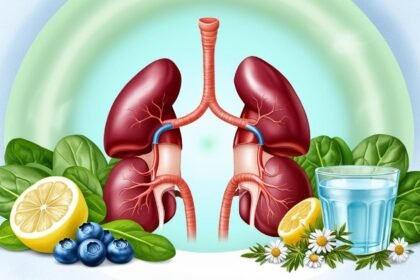
3. Kidney Function and Detoxification
Getting enough water helps the kidneys clear out waste and toxins from the blood, which keeps kidney stones and urinary tract infections (UTIs) from happening.
The National Kidney Foundation says that drinking enough water lowers the risk of kidney stones because it dilutes the minerals and salts in the pee, which makes it less likely that they will form crystals.
4. Joint and Muscle Health
To keep your muscles and joints healthy, you need to drink enough water. Most of the synovial fluid that softens joints is water.
A study in The Journal of Applied Physiology found that being dehydrated makes muscles less durable and more likely to cramp and get tired.
5. Cardiovascular Health
Blood flow and blood pressure are both kept up by drinking water. When you’re dehydrated, your blood volume drops, which makes the heart work harder to pump oxygen and nutrients to the body.
One study in The American Journal of Hypertension found that people who are chronically dehydrated are more likely to have high blood pressure.
6. Weight Management
By making you feel full and lowering your general calorie intake, drinking water before meals can help you lose weight.
A study in the journal Obesity found that people who drank 500ml of water before meals lost more weight than those who didn’t. This was probably because they felt less hungry and ate fewer calories.
How to Ensure You’re Drinking Enough Water
There are general rules that tell us about how much water people of different ages need, but everyone has different needs. To make sure you drink enough, here are some useful tips:
- Use the Urine Color Test
- Light yellow: Well-hydrated
- Dark yellow or amber: Drink more water
- Clear: You may be overhydrating
- Set Daily Water Goals
- Keep a water journal or use hydration apps like “WaterMinder” or “Hydro Coach” to track intake.
- Flavor Your Water
- Add slices of lemon, lime, or cucumber to make drinking water more enjoyable.
- Eat Water-Rich Foods
- Consume foods high in water content, such as watermelon, cucumbers, strawberries, and oranges.
- Follow a Hydration Schedule
- Start your day with a glass of water.
- Drink water before, during, and after physical activity.
- Have a glass of water with every meal.
- Monitor Dehydration Symptoms
- Watch for early signs of dehydration, such as headaches, dry mouth, dizziness, and fatigue.
Hydration Myths vs. Facts
There are many misconceptions about hydration. Let’s debunk some of the most common ones:
Myth 1: You Must Drink 8 Glasses of Water a Day
- Fact: How much water you need depends on your age, weight, amount of activity, and where you are. A good rule of thumb is eight cups, or 64 ounces. However, some people may need more or less.
Myth 2: Coffee and Tea Dehydrate You
- Fact: Even though caffeine makes you pee a little, drinking coffee or tea in moderation still helps you stay hydrated.
Myth 3: If You’re Not Thirsty, You Don’t Need Water
- Fact: For older people in particular, thirst is not always an early sign of being dehydrated. It’s important to drink water often, even if you’re not thirsty.
Myth 4: Drinking More Water Clears Toxins Faster
- Fact: Even though water helps the kidneys work, drinking too much of it won’t “flush out toxins” past the body’s natural ability to do so. Hyponatremia (low sodium levels) can happen if you drink too much water.