

Heart disease continues to be the leading cause of death in the United States, surpassing cancer and accidental injuries combined, with nearly a million Americans dying from cardiovascular causes each year, according to the latest reports.
A key factor driving this epidemic is high blood pressure, often referred to as the “silent killer” because it typically shows no symptoms even as it quietly damages organs and blood vessels.
Millions of people around the world live with hypertension, and many are unaware of their condition until serious complications occur.
This makes understanding and responding to this condition not just a medical priority but a personal imperative.
High blood pressure occurs when the force of circulating blood against artery walls remains consistently too high.
In the U.S. nearly half of all adults meet the clinical criteria for hypertension – defined by a sustained blood pressure reading at or above 130/80 mm Hg – yet a large proportion don’t know their numbers.
The absence of obvious signs is exactly why cardiologists are pleading with people to stop assuming they would feel if something were wrong.
Unlike a sprained ankle or chest pain from a fall, high blood pressure quietly scars the cardiovascular system, progressively stiffening arteries and forcing the heart to pump harder.
Over time, this silent strain increases the risk of life-threatening outcomes.
Persistent hypertension damages the inner lining of arteries, making them more prone to plaque buildup and narrowing, which can precipitate heart attacks or strokes.
It also heightens the likelihood of heart failure by causing the heart’s left ventricle to enlarge and weaken.
Beyond the heart and brain, uncontrolled blood pressure can harm the kidneys by impairing their ability to filter blood, and it can even cause vision problems by damaging delicate blood vessels in the eyes.
On a global scale, hypertension is a top contributor to early death, accounting for more than 10 million deaths annually despite being both preventable and treatable.
So what’s the biggest mistake people make about blood pressure? Many incorrectly trust that they’ll feel symptoms – they won’t.
This dangerous assumption leads to infrequent monitoring and delayed diagnosis.
Public health studies reveal that a significant fraction of adults with high blood pressure are unaware they have it, especially younger adults who might feel invincible and seldom visit doctors.
Ignoring regular checks means losing precious time during which lifestyle changes and treatment can prevent long-term harm.
Accurate, consistent monitoring is the first step in taking control. Routine blood pressure checks, either at home with a reliable monitor or during healthcare visits, let you know where you stand.
Cardiologists recommend taking readings after resting quietly, with your arm supported and no talking, to get the most accurate picture of your heart’s workload.
Once you know your numbers, proven strategies exist to lower them.
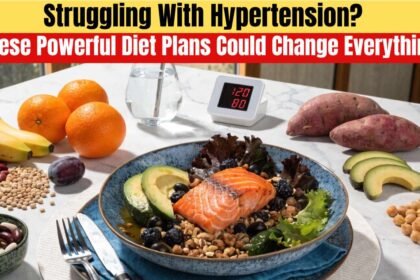
Adopting a diet low in sodium and rich in fruits, vegetables, and whole grains such as the DASH (Dietary Approaches to Stop Hypertension) diet has been shown to reduce blood pressure and improve overall heart health.
Regular aerobic exercise, like brisk walking, cycling, or swimming for at least 150 minutes weekly, further strengthens the heart, improves circulation, and can reduce blood pressure by easing arterial strain.
Effective stress management, quality sleep, smoking cessation, and moderate alcohol consumption also contribute to better blood pressure control.
In many cases, medications prescribed by a physician are necessary and highly effective when paired with healthy lifestyle habits.
Ignoring high blood pressure is not an option, it underlies the country’s number one killer and affects billions worldwide.
By knowing your numbers, making informed lifestyle choices, and partnering with healthcare professionals, you can dramatically reduce your risk of heart attack, stroke, and other severe complications.
This is not just advice; it’s a lifeline.