
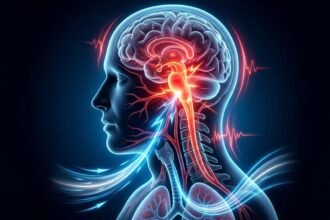



In today’s world, air pollution feels almost unavoidable. Whether you live in a city or a rural area, you’re probably breathing in tiny, invisible particles known to harm your health.
We’ve long known about the impact of pollution on our lungs and heart, but a new study says it may also mess with our brains.
The surprising twist? Your weekly seafood dinner could actually help protect your brain from it.
Let’s dive into the science and break down why your baked salmon might be doing more than just pleasing your taste buds – it might actually be your brain’s best line of defense against air pollution.
Fish on Your Plate, Shield for Your Brain?
According to a study published in Neurology, the medical journal of the American Academy of Neurology, researchers found that eating broiled or baked fish just once or twice a week might help protect the brain from the harmful effects of air pollution.
This protective effect comes down to one powerful nutrient: omega-3 fatty acids.
Omega-3s are essential fats, which means our body can’t make them on its own—we have to get them from food.
Fish is one of the best sources of these brain-boosting fats. And if you’re already eating salmon, mackerel, sardines, or tuna regularly, you’re giving your brain some serious support.
What Makes Omega-3s So Special?
Dr. Ka He, a professor at Columbia University and the study’s lead author, explains why omega-3s deserve their superstar status. “Omega-3 fatty acids have been shown to fight inflammation and maintain brain structure in aging brains,” he says.
That’s a big deal, especially when we know that brain inflammation is linked to memory loss, mood disorders, and even Alzheimer’s disease.
Omega-3s also help protect neurons – the tiny building blocks of the brain—from damage caused by harmful substances like mercury and lead.
The Columbia study wanted to know if these same benefits could help block the effects of fine particulate matter found in air pollution.
Spoiler alert: They do.
The Link Between Pollution and Brain Health
You might be thinking, “Okay, air pollution hurts my lungs, but how does it affect my brain?” Good question.
Tiny particles in polluted air, especially something called PM2.5 (particulate matter smaller than 2.5 micrometers), are small enough to enter the bloodstream through your lungs and eventually reach your brain.
Once there, these pollutants can trigger inflammation and oxidative stress – both of which can lead to cognitive decline over time.
That’s why scientists are working hard to figure out how to reduce this damage. And their research keeps pointing toward omega-3s as a possible solution.
What the Study Found
Researchers looked at women between the ages of 65 and 80 who had their blood tested for omega-3 levels and also underwent brain scans.
These women were then compared based on their exposure to air pollution, and the findings were eye-opening.
The women with higher omega-3 levels – thanks to their diet – showed fewer signs of brain shrinkage and less white matter damage, even if they lived in areas with higher pollution levels.
On the flip side, women with low omega-3 levels had more signs of aging and deterioration in the brain when exposed to the same air.
In simple terms: Fish eaters had healthier brains, even when the air around them wasn’t so healthy.
How Often Should You Eat Fish?
So how often do you need to eat fish to see these brain-protecting benefits? According to the study, just one or two servings of broiled or baked fish per week was enough to make a difference. That’s it.
But the key here is the type of fish and how it’s cooked. Fried fish doesn’t count, as deep frying can strip away nutrients and add unhealthy fats.
Stick to baked, grilled, or broiled fish to keep those omega-3s intact.
If you’re not into fish, there are other sources of omega-3s – like flaxseeds, chia seeds, walnuts, and algae oil supplements – but fatty fish remains one of the most efficient and bioavailable ways to get them.
Making Omega-3s a Part of Your Routine
Adding more fish to your weekly meals doesn’t have to be complicated. Here are a few simple ways to start:
- Grill salmon with lemon and herbs for dinner.
- Make tuna salad (with Greek yogurt instead of mayo) for lunch.
- Add smoked mackerel to your morning avocado toast.
- Bake cod or tilapia with olive oil and garlic for a quick weeknight meal.
Just be sure to choose fish low in mercury, like salmon, sardines, or trout, especially if you plan on eating it frequently.
A Natural Defense in a Polluted World
It’s pretty amazing when you think about it – your diet might actually act as a barrier against the invisible threats around you.
We often focus on food in terms of weight loss or energy, but its ability to protect our brain from environmental toxins is an exciting (and underappreciated) benefit.
We can’t always escape air pollution, especially in urban settings. But we can support our bodies with smart choices.
Eating more omega-3-rich fish is a small step that could lead to long-term benefits, especially as we age.
The Bottom Line
Brain health isn’t just about what happens inside your body – it’s also influenced by what’s happening outside of it. Air pollution may be out of your control, but your diet isn’t.
And when the science says something as simple as eating fish once or twice a week can protect your brain from damage, it’s worth paying attention to.
So next time you’re planning your grocery list, don’t forget to add some fish. It could be one of the easiest – and tastiest – ways to give your brain the defense it needs.