


Diabetes has become one of the most pressing global health challenges of the modern era, affecting more than 500 million people worldwide.
Among its forms, type 2 diabetes is the most prevalent and is largely driven by insulin resistance – a condition in which the body’s cells no longer respond effectively to insulin.
As a result, blood sugar levels rise, inflammation increases, and a damaging metabolic cycle takes hold. Emerging research now suggests that the gut microbiome may hold a surprising key to interrupting this cycle.
Insulin resistance does not develop in isolation. Chronic low-grade inflammation plays a central role by interfering with insulin signaling pathways.
When inflammation persists, it encourages higher blood sugar and insulin levels, which in turn fuel even more inflammation.
This self-reinforcing loop accelerates metabolic dysfunction and increases the risk of type 2 diabetes and its complications.
In recent years, scientists have turned their attention to the gut microbiome – the vast community of microorganisms living in the human intestines – as a critical regulator of inflammation and metabolism.
These microbes do far more than aid digestion; they produce bioactive compounds that can influence immune responses, glucose metabolism, and overall metabolic health.
A new study has highlighted one such compound with particularly promising implications.
Researchers have identified trimethylamine (TMA), a molecule produced by gut bacteria when they break down dietary choline, as a potent anti-inflammatory agent.
Choline is found in common foods such as eggs, fish, legumes, and some whole grains. According to the study, TMA can block the activity of an immune-related protein known as IRAK4, which is known to promote inflammation and insulin resistance, especially under high-fat dietary conditions.
Through a combination of human cell experiments, animal studies, and molecular screening, the researchers demonstrated that TMA directly binds to IRAK4 and inhibits its function.
This action reduced diet-induced inflammation and restored insulin sensitivity, leading to improved blood sugar control.
Importantly, the researchers observed that blocking or genetically removing IRAK4 produced the same metabolic benefits as TMA itself, strengthening the evidence for this newly discovered pathway.
This finding is especially intriguing because it challenges the prevailing narrative around choline metabolism.
While another choline-derived compound, TMAO, has often been associated with increased cardiovascular risk, TMA appears to have protective effects when it is not further converted into TMAO.
This nuance underscores the complexity of gut-derived metabolites and highlights why understanding microbial metabolism not just nutrient intake is essential.
The implications of this research extend beyond basic science. It reinforces the idea that diet influences health not only through calories or macronutrients, but also through how the gut microbiome processes food.
Diets rich in fiber, plant-based foods, and prebiotics are known to promote beneficial bacteria and metabolites that reduce inflammation and enhance insulin sensitivity.
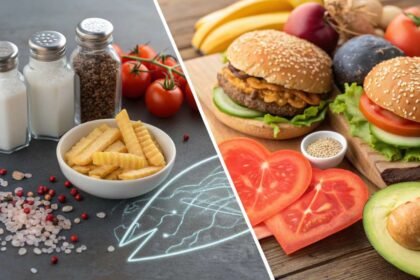
In contrast, Western-style diets high in saturated fats and refined sugars are associated with microbial imbalances, fewer protective metabolites, and higher diabetes risk.
Looking ahead, these insights may open the door to innovative therapeutic strategies. Future treatments could involve drugs that inhibit IRAK4, nutritional approaches that support beneficial gut metabolites, or personalized dietary plans tailored to an individual’s microbiome.
While more human studies are needed to confirm safety and effectiveness, the current evidence supports existing dietary guidance: prioritize whole, minimally processed foods, adequate fiber, and balanced nutrient intake.
Ultimately, this research reframes how we think about diabetes prevention and management.
By revealing that a gut-derived molecule can counteract the harmful effects of poor dietary patterns, it highlights the powerful and often overlooked role of the gut microbiome in shaping metabolic health.