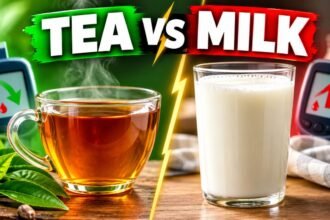




For millions of people managing diabetes or prediabetes, everyday beverage choices can make a difference in blood sugar control.
Two popular options, tea and milk, offer different nutritional benefits and can affect blood glucose levels in different ways.
Unsweetened tea contains virtually no carbohydrates, making it a low-calorie beverage that generally has little immediate impact on blood sugar.
Milk, on the other hand, contains natural lactose, a carbohydrate that can raise glucose levels after consumption.
However, milk also provides protein, calcium and other essential nutrients that support overall health.
So, is tea better than milk for diabetes? The answer depends on your nutritional needs, portion sizes, preparation methods and individual glucose response.
Here is what nutritional research and current diabetes guidance reveal about tea, milk and their effects on blood sugar.
Tea vs. Milk: Nutritional Comparison
Understanding the nutritional differences between tea and milk is a useful first step in choosing a beverage that fits your blood sugar management plan.
The following table compares a typical cup of unsweetened tea with one cup of plain cow’s milk.
| Nutritional factor | Unsweetened black tea | Plain whole milk |
|---|---|---|
| Serving size | 1 cup (240 ml) | 1 cup (240 ml) |
| Calories | Around 2 | Around 150 |
| Carbohydrates | Around 0 g | Around 12 g |
| Protein | Around 0 g | Around 8 g |
| Total sugars | 0 g | Around 12 g |
| Fat | 0 g | Around 8 g |
| Blood sugar impact | Usually minimal | Can raise blood glucose |
The main difference is carbohydrate content.
Since carbohydrates are broken down into glucose or other sugars during digestion, beverages containing more digestible carbohydrates generally have a greater potential to affect blood glucose.
This explains why plain tea generally produces a smaller immediate glucose response than milk.
However, the comparison does not mean milk is unhealthy or that drinking tea automatically improves diabetes management.
The overall diet, medication, physical activity and individual metabolism also matter.
How Tea Affects Blood Sugar Levels
Tea is naturally low in carbohydrates and contains plant compounds called polyphenols.
These compounds have attracted scientific interest because of their possible roles in insulin signaling, glucose metabolism and metabolic health.
1. Green Tea and Blood Sugar

Green tea contains catechins, a type of polyphenol that has been investigated for its potential metabolic effects.
Some experimental and clinical studies suggest that green tea compounds may influence glucose metabolism and insulin sensitivity.
However, findings from human studies are inconsistent, and evidence does not establish green tea as a reliable treatment for lowering blood sugar.
For people with diabetes, unsweetened green tea can be a practical beverage because it provides very few carbohydrates without adding substantial calories.
Green tea contains catechins, a type of polyphenol that has been investigated for its potential metabolic effects.
Some experimental and clinical studies suggest that green tea compounds may influence glucose metabolism and insulin sensitivity.
However, findings from human studies are inconsistent, and evidence does not establish green tea as a reliable treatment for lowering blood sugar.
For people with diabetes, unsweetened green tea can be a practical beverage because it provides very few carbohydrates without adding substantial calories.
2. Black Tea and Blood Sugar

Black tea contains flavonoids and other polyphenols that are also being studied for their possible health effects.
Research examining tea consumption and type 2 diabetes risk has reported associations between higher tea consumption and lower diabetes risk in some populations.
For example, a systematic review and meta-analysis published in BMJ Open reported an association between drinking at least three cups of tea daily and lower type 2 diabetes risk in its included observational studies.
However, this does not prove that tea prevents diabetes or directly lowers blood glucose.
The distinction is important: long-term associations between beverage consumption and disease risk are not the same as evidence that a cup of tea will reduce an individual’s blood sugar after drinking it.
3. Herbal Tea and Blood Sugar
Unsweetened herbal teas such as peppermint, chamomile and rooibos can provide variety without adding significant carbohydrates.
Their effects on blood sugar depend on the specific ingredients.
While some herbal compounds are being researched for metabolic benefits, evidence for direct glucose-lowering effects is limited.
People taking diabetes medication should be cautious about using concentrated herbal preparations or supplements marketed to lower blood sugar, as potential interactions and safety concerns may exist.
4. Does Adding Sugar to Tea Increase Blood Sugar?
Yes. Adding sugar, honey, jaggery or sweetened syrups increases the carbohydrate content of tea and can cause blood glucose to rise.
Even a seemingly small amount of sweetener can add up when consumed several times daily. For example, one teaspoon of table sugar contains approximately 4 grams of carbohydrates.
For a more blood sugar-conscious option, drink tea without added sugar or gradually reduce the amount of sweetener used.
The American Diabetes Association recommends choosing water as the primary beverage and limiting sugar-sweetened drinks. Unsweetened tea is another low-carbohydrate option.
How Milk Affects Blood Sugar Levels
Milk provides several essential nutrients, including protein, calcium, phosphorus and, depending on the product, vitamin D.
However, it also contains lactose, a naturally occurring sugar that can affect blood glucose levels.
1. Lactose and Blood Glucose
Lactose is a disaccharide made of glucose and galactose.
During digestion, the enzyme lactase breaks it down into these simpler sugars, which are then absorbed.
An eight-ounce serving of cow’s milk typically contains approximately 12 grams of carbohydrates, mainly from lactose.
These carbohydrates contribute to the body’s glucose supply and can increase blood sugar after drinking milk.
The size of the glucose response depends on several factors, including the quantity consumed, other foods eaten at the same time and individual glucose metabolism.
2. Does Milk Protein Affect Insulin?
Milk contains two major protein groups: whey and casein.
Research involving people with type 2 diabetes has found that milk can stimulate insulin secretion in addition to producing a glucose response.
An older clinical study published in The American Journal of Clinical Nutrition found that milk produced a notable insulin response relative to its glucose response.
This suggests that the relationship between milk consumption, insulin and blood glucose is more complex than carbohydrate content alone.
However, an insulin response does not automatically mean that milk lowers blood sugar or improves diabetes control.
The overall metabolic response depends on the individual and the rest of the meal.
3. Whole Milk vs. Skim Milk
Whole milk and skim milk have broadly similar carbohydrate contents per serving, but their fat and calorie levels differ.
| Milk type | Approximate carbohydrates per cup | Main difference |
|---|---|---|
| Whole milk | 12 g | Higher fat and calories |
| 2% milk | 12 g | Moderate fat |
| Skim milk | 12 g | Very low fat |
| Unsweetened almond milk | 0–2 g | Usually much lower in carbohydrates |
| Unsweetened soy milk | 3–5 g | Provides plant protein |
| Unsweetened oat milk | Varies, often 10–20 g | May contain more carbohydrates |
Switching from whole milk to skim milk does not necessarily reduce the amount of carbohydrates consumed.
If blood sugar management is the primary concern, total carbohydrate content and serving size matter more than the milk’s fat percentage alone.
Plant-based alternatives also vary considerably. Unsweetened almond milk is often low in carbohydrates, while oat milk may contain substantially more.
Fortification with calcium and vitamin D, as well as protein content, should also be considered when choosing a milk substitute.
Does Milk Tea Increase Blood Sugar?
Milk tea is a daily habit for many people, particularly in countries where chai is a popular beverage.
However, the combination of milk and added sugar can increase its carbohydrate content.
Consider a typical cup of milk tea containing:
- Half a cup of milk: approximately 6 grams of carbohydrates.
- One teaspoon of sugar: approximately 4 grams of carbohydrates.
- Brewed tea: virtually zero carbohydrates.
The total is approximately 10 grams of carbohydrates, although actual values vary according to the recipe.
Drinking unsweetened milk tea eliminates the added sugar but does not remove the carbohydrates naturally present in milk.
For people with diabetes, practical ways to make chai more suitable include:
- Reducing the amount of added sugar.
- Using a measured quantity of milk.
- Choosing unsweetened tea.
- Avoiding sweetened condensed milk and sugary creamers.
- Being mindful of serving size and how frequently the beverage is consumed.
Honey, jaggery and brown sugar are not automatically better alternatives to regular sugar for blood glucose management.
They still provide carbohydrates and can raise blood sugar.
Tea vs. Milk: Which Is Better for People With Diabetes?
If the main objective is minimizing the immediate rise in blood glucose, unsweetened tea generally has an advantage over plain milk because it contains almost no carbohydrates.
However, the two drinks serve different nutritional purposes.
| Consideration | Unsweetened tea | Plain milk |
|---|---|---|
| Immediate glucose impact | Usually minimal | May increase glucose |
| Carbohydrate intake | Almost zero | Moderate |
| Protein | Negligible | Provides protein |
| Calcium | Negligible | Good source |
| Calories | Very low | Higher |
| Potential role | Low-carbohydrate hydration option | Nutrient-rich food and beverage |
The American Diabetes Association includes low-fat dairy and suitable fortified nondairy alternatives within recommended eating patterns for people with diabetes.
Its guidance emphasizes individualized nutrition and carbohydrate management rather than eliminating nutritious foods simply because they contain carbohydrates.
Therefore, unsweetened tea can be a convenient everyday choice, while milk can remain part of a balanced diet when its carbohydrate content is accounted for.
Neither drink is universally best for everyone.
Tips for Choosing Blood Sugar-Friendly Drinks
Small changes in everyday beverage habits can help reduce unnecessary added sugar and make carbohydrate intake easier to manage.
- Choose unsweetened beverages: Plain tea, water and other low-calorie drinks can reduce added sugar consumption.
- Watch your milk portions: Measure milk when tracking carbohydrates rather than estimating the amount by eye.
- Read nutrition labels: Packaged teas, flavored milk and plant-based beverages can contain unexpected added sugars.
- Limit sweetened bottled tea: Some commercially prepared drinks contain substantial amounts of added sugar.
- Consider your overall meal: Milk consumed alongside a meal contributes to the total carbohydrate load, which matters when planning meals and medication.
- Monitor your glucose response: If recommended by your healthcare professional, use your glucose meter or continuous glucose monitor to understand how different beverages affect your readings.
The ADA’s nutrition guidance emphasizes individualized carbohydrate intake, nutrient-dense food choices and water as the primary beverage for people with diabetes.
Frequently Asked Questions
1. Does tea raise blood sugar levels?
Unsweetened tea generally has little immediate effect on blood glucose because it contains virtually no carbohydrates. However, adding sugar, honey or sweetened creamers can increase blood sugar. Caffeine may also affect glucose responses differently among individuals.
2. Is green tea better than milk for diabetes?
Unsweetened green tea generally has a smaller immediate effect on blood sugar than milk because it contains almost no carbohydrates. Green tea also contains catechins that are being studied for potential metabolic benefits. However, current evidence does not establish green tea as a diabetes treatment.
3. Can drinking milk at night increase blood sugar?
Yes. Milk contains lactose, which can raise blood glucose regardless of the time of day. The effect depends on the amount consumed, the rest of the meal and individual metabolic factors.
4. What is the best tea for people with diabetes?
Unsweetened green tea, black tea and many caffeine-free herbal teas are practical low-carbohydrate options. There is insufficient evidence to identify one particular tea as the best for controlling diabetes. Choose a variety that fits individual preferences and caffeine tolerance.
5. Is milk tea safe for people with diabetes?
Milk tea can fit into a diabetes-friendly eating plan. However, milk and added sweeteners contribute carbohydrates. Limiting added sugar, measuring milk portions and considering the overall carbohydrate content can help people make informed choices.
6. Can I drink tea every day if I have diabetes?
For most adults, unsweetened tea can be part of a balanced diet. However, caffeine sensitivity, sleep quality, certain medications and individual health conditions may influence how much tea is appropriate.
7. Is almond milk better than cow’s milk for blood sugar?
Unsweetened almond milk often contains fewer carbohydrates than cow’s milk and may have a smaller immediate effect on blood glucose. However, it generally contains much less protein. Fortification, serving size and nutritional needs should also be considered.
The Bottom Line
When comparing tea vs. milk for blood sugar, unsweetened tea generally produces a smaller immediate glucose response because it contains virtually no carbohydrates.
Milk contains lactose, which can raise blood glucose, but it also provides valuable nutrients such as protein and calcium.
For people managing diabetes, the decision does not have to be an either-or choice.
Unsweetened tea can be an everyday low-carbohydrate beverage, while plain milk can be included in appropriate portions as part of a balanced eating plan.
The most important factors are limiting added sugars, understanding carbohydrate intake and choosing beverages that fit individual nutritional needs.
If you have diabetes and are unsure how tea, milk or milk tea affects your glucose levels, consult a qualified healthcare professional or registered dietitian for personalized guidance.