


If you are trying to manage high blood pressure, you may wonder whether chicken or eggs are the better protein choice.
The good news is that both can fit into a heart-healthy diet.
The more important question is how they are prepared, how much sodium they contain, what portion you eat, and what foods you serve alongside them.
For most people, skinless, minimally processed chicken and eggs can both be part of a blood-pressure-friendly eating pattern.
Current American Heart Association guidance emphasizes an overall diet rich in vegetables, fruits, whole grains, healthy protein sources and minimally processed foods while limiting sodium and saturated fat.
Is Chicken Good for High Blood Pressure?
Skinless chicken, particularly lean cuts such as chicken breast, can be a useful source of protein.
The American Heart Association includes skinless poultry among the protein choices that can fit into a heart-healthy eating pattern.
However, plain chicken and processed chicken are very different choices.
Fresh chicken that has not been injected with a sodium solution can be relatively low in sodium.
In contrast, some prepared or pre-seasoned poultry can contain considerably more sodium.
The AHA notes that a 4-ounce serving of fresh, unseasoned poultry may contain around 100 mg or less of sodium, while some pre-seasoned rotisserie chicken can contain about 400 mg per serving.
For blood pressure, choose baked, grilled, roasted or poached chicken and season it with herbs, garlic, pepper, lemon juice and other salt-free flavorings.
Amazon Grocery, Chicken Breast Fillets Value Pack, Boneless Skinless, 100% Natural

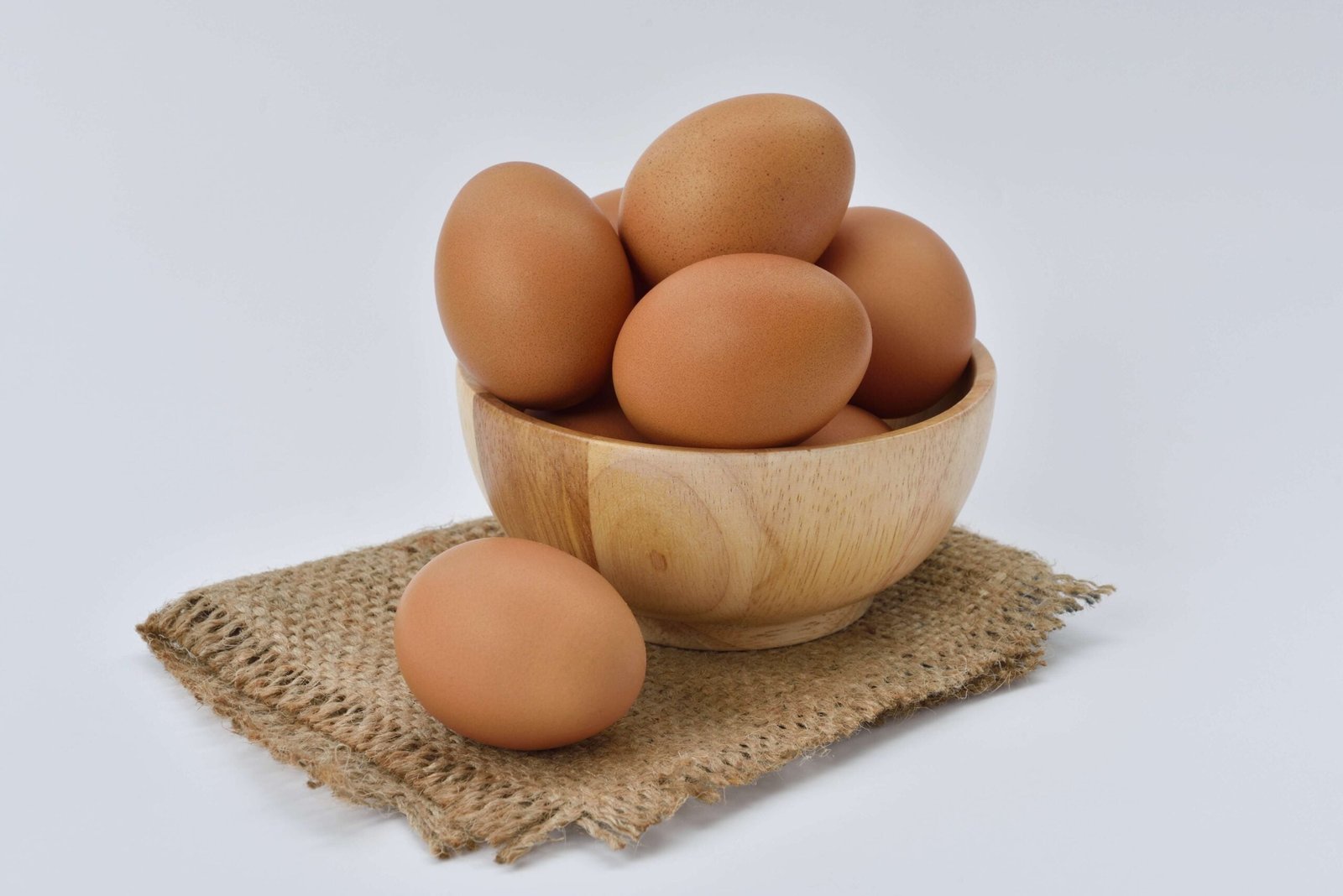
Are Eggs Good for High Blood Pressure?
Eggs provide high-quality protein and several essential nutrients. They can be included in a balanced diet, but the overall meal matters.
A plain boiled or poached egg is very different from an egg breakfast loaded with bacon, sausage, processed cheese and salty sauces.
Importantly, current AHA dietary guidance says that for most people, dietary cholesterol is no longer considered a primary target for reducing cardiovascular disease risk.
Greater emphasis is placed on the overall dietary pattern, including food quality, sodium, saturated fat and the balance of healthy protein sources.
That means you don’t necessarily need to eliminate eggs simply because you are concerned about heart health or blood pressure.
Chicken vs. Eggs: Which Is Better?
| Factor | Skinless Chicken | Eggs |
|---|
| Protein | Excellent source | Excellent source |
| Sodium | Low when fresh and unseasoned | Naturally contains some sodium |
| Saturated fat | Relatively low in lean cuts | Moderate |
| Convenience | Good for meals and meal prep | Excellent for quick meals |
| Better preparation | Baked, grilled or roasted | Boiled, poached or lightly cooked |
| Main concern | Processed or heavily seasoned products | Salty ingredients served with eggs |
There is no universal winner. Fresh, unseasoned chicken may be the better choice when you specifically want a lean, lower-sodium protein, while eggs are an affordable and convenient option that can easily fit into a healthy eating pattern.
Sodium May Matter More Than Chicken vs. Eggs
When managing blood pressure, sodium deserves special attention.
The American Heart Association recommends no more than 2,300 milligrams of sodium per day, with an ideal limit of no more than 1,500 milligrams for most adults, particularly those with high blood pressure.
Interestingly, the biggest sodium problem may not come from the chicken or egg itself. It can come from processed meats, sauces, restaurant foods, packaged foods and heavily salted preparation.
More than 70% of dietary sodium is estimated to come from packaged, prepared and restaurant foods.
How to Prepare Chicken and Eggs for Better Blood Pressure
Better chicken choices
- Skinless baked chicken breast
- Grilled chicken with herbs and lemon
- Homemade roasted chicken with little or no added salt
- Poached chicken added to salads or whole grains
- Fresh poultry without added sodium solutions
Better egg choices
- Hard-boiled eggs
- Poached eggs
- Eggs cooked with spinach, tomatoes or other vegetables
- Vegetable omelets prepared with minimal salt
- Eggs served with whole-grain toast and fresh fruit
Foods to limit
- Fried chicken
- Chicken tenders and nuggets
- Processed or cured chicken
- Highly salted rotisserie chicken
- Bacon-and-egg breakfasts
- Sausage-and-egg meals
- Processed cheese and salty sauces
Can You Eat Chicken and Eggs on the DASH Diet?
Yes. The DASH diet, or Dietary Approaches to Stop Hypertension, emphasizes vegetables, fruits, whole grains, legumes, nuts and seeds, low-fat dairy and lean protein while limiting sodium and certain less-healthful foods.
It is specifically designed to help manage blood pressure.
You could build a DASH-style meal with grilled skinless chicken, brown rice and steamed vegetables.
For breakfast, try eggs with spinach, a slice of whole-grain toast and fresh berries.
The key is not simply choosing chicken over eggs. It is creating a dietary pattern that consistently emphasizes minimally processed, nutrient-rich foods.
What Is the Best Protein for High Blood Pressure?
Chicken and eggs are not the only options. A heart-healthy eating pattern can also include beans, lentils, nuts, seeds, fish, seafood and low-fat or fat-free dairy.
The AHA recommends regularly incorporating plant-based protein and fish while choosing lean, skinless poultry when eating meat.
Variety can make a healthy diet easier to maintain while providing different nutrients.
Frequently Asked Questions
Are eggs bad for high blood pressure?
Not necessarily. Eggs can fit into a heart-healthy diet. Focus on the complete meal and limit high-sodium ingredients such as processed meats and salty cheeses.
Is chicken good for people with high blood pressure?
Fresh, skinless chicken can be a good protein choice. Choose minimally processed poultry and check labels for added sodium or sodium solutions.
Which is healthier, chicken or eggs?
Neither is automatically healthier for everyone. Your choice should depend on the overall meal, portion size, sodium, saturated fat and preparation method.
Is rotisserie chicken good for high blood pressure?
It depends on the product. Some rotisserie chickens can contain substantial sodium, so check the Nutrition Facts label and compare products before buying.
What is the healthiest way to cook chicken for blood pressure?
Baking, grilling, roasting or poaching are generally better choices than deep-frying. Use herbs, spices, lemon or vinegar instead of relying heavily on salt.
Can I eat eggs every day?
Whether daily egg consumption is appropriate depends on your overall diet and individual health circumstances. If you have cardiovascular disease, diabetes, high cholesterol or other dietary concerns, discuss your eating pattern with your healthcare professional.
The Bottom Line
Chicken vs. eggs for blood pressure isn’t really a winner-take-all contest. Fresh, skinless chicken and eggs can both be nutritious protein choices when incorporated into a balanced diet.
If blood pressure is your priority, pay particular attention to sodium, saturated fat, food processing, portion sizes and preparation methods.
Choose fresh or minimally processed foods, eat plenty of vegetables and fruits, emphasize whole grains and include a variety of healthy protein sources.
Most importantly, don’t judge a food in isolation. Your overall dietary pattern matters much more than whether you choose chicken or eggs at one particular meal.
Current AHA guidance emphasizes vegetables, fruits, whole grains, healthy protein, minimally processed foods and lower-sodium choices as core components of a heart-healthy diet.
Medical Disclaimer
This article is intended for general educational purposes and does not replace individualized medical advice, diagnosis or treatment. If you have hypertension, cardiovascular disease, kidney disease, diabetes or another medical condition, talk with your healthcare professional or registered dietitian before making major dietary changes.