


When it comes to alleviating pain and discomfort, numbing creams are frequently used in medical, cosmetic, and other fields. Seventy-two percent of respondents to a poll by the American Society for Dermatologic Surgery reported difficulty during laser and light treatments, and 43 percent experienced discomfort during injectable procedures.
Numbing creams, which are used to reduce pain and suffering during medical operations, have grown in popularity as a solution to this problem.
This article will discuss the purpose of numbing creams, the numerous kinds available, and the best ways to use them. We will also talk about how to use numbing creams correctly, what to expect, and what other options you have.
Knowing the ins and outs of numbing cream can allow you to make an educated decision and have a more pleasant experience whether you’re getting a tattoo, laser hair removal, or any other operation that may cause discomfort.
How Numbing Creams Work
Topical anesthetics (or numbing lotions) are used to reduce sensations of pain and discomfort during medical procedures including injections and tattooing. Topical analgesics are effective because they prevent pain signals from reaching the brain via the nerves.
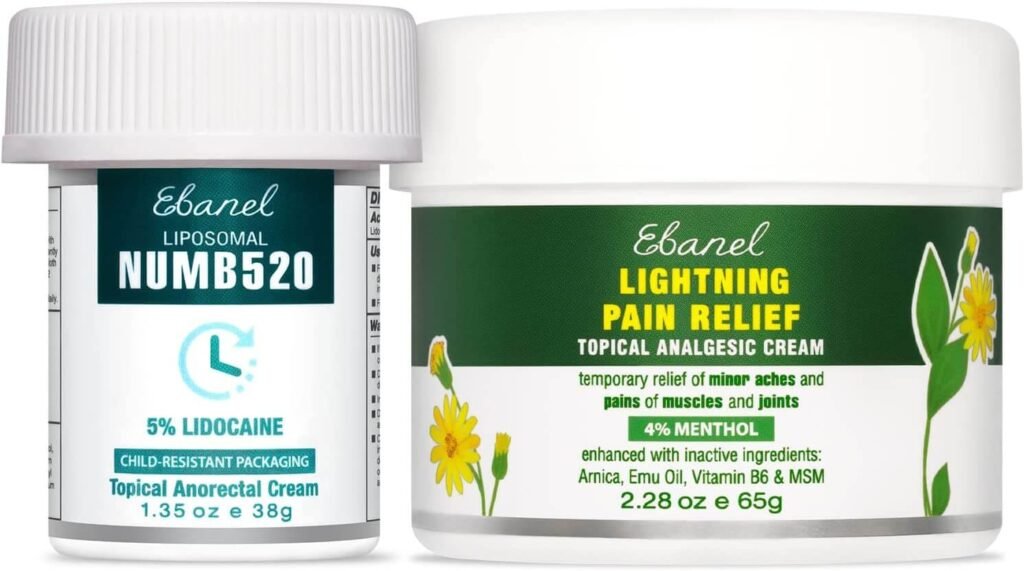
Here, we’ll look at how numbing creams work, what sets apart the different varieties, and what benefits and drawbacks each variety offers.
1. Mechanisms of Action
Numbing creams are effective because they prevent pain signals from reaching the brain from the affected area. This is achieved by preventing the transmission of pain signals along the nerve fibers by blocking the sodium channels on those fibers. Most numbing lotions contain either lidocaine or prilocaine as their active ingredient.
Both lidocaine and prilocaine are sodium channel blockers that have a local anesthetic effect. Certain drugs, when administered topically, can penetrate the skin and interrupt the transmission of pain signals through the nerves.
As a result, the patient feels little to no discomfort throughout the operation because the numbing cream has rendered the region of skin it was applied to temporarily numb.
2. Differences Between Various Types of Numbing Creams
Numbing creams come in a variety of forms, each with its own set of advantages and disadvantages. Numbing creams come in a variety of forms, but some of the most prevalent are:
- Lidocaine Creams: Numbing creams containing lidocaine are the most popular choice. Lidocaine, the main component, blocks sodium channels on nerve fibers to relieve pain. Before most cosmetic procedures, these creams are applied to the skin and left there for a while.
- Prilocaine Creams: Similar to lidocaine creams, but with prilocaine instead of lidocaine as the active ingredient. Although prilocaine is not as potent as lidocaine as a local anesthetic, it is frequently used with lidocaine to offer more thorough pain relief.
- Benzocaine Creams: Creams containing benzocaine are less popular than lidocaine and prilocaine. The main ingredient, benzocaine, prevents pain signals from being transmitted along nerve fibers. Minor skin irritations, including bug bites or sunburn, are often treated with benzocaine lotions.
- Tetracaine Creams: During dental treatments, a stronger topical anesthetic called tetracaine cream is typically utilized. Tetracaine, the active component, blocks sodium channels on nerve fibers to provide the desired effect. Creams containing tetracaine can be applied topically to the painful area and left there for a short while before the surgery.
3. Advantages and Disadvantages of Using Numbing Creams
Advantages:
- Reduced pain: Numbing creams’ principal benefit is that they make medical treatments substantially more bearable for patients by reducing or eliminating pain.
- Easy to use: Using a numbing cream requires no particular skills or tools.
- Safe: When applied correctly, numbing creams provide no serious risks to the user.
Disadvantages:
- Allergic reactions: Itching, swelling, and other allergic reactions can be caused by a reaction to the active chemicals in numbing lotions, which some patients may be allergic to.
- Reduced effectiveness: It’s possible that numbing creams won’t work for every sufferer or every kind of discomfort. The more often you use them, the more they may lose their effectiveness.
- Delayed onset: Those in need of rapid relief from pain may find the hour-long action time of some numbing creams bothersome.
When to Use Numbing Creams
Topical anesthetics, like those found in numbing creams, can help ease any pain or discomfort associated with a variety of medical and cosmetic operations. Numbing creams can be helpful in the following scenarios:
1. Medical Procedures
Injections, such as immunizations or blood draws, often necessitate the use of numbing creams. They are also useful for removing moles and performing other minor surgical procedures.
2. Tattooing
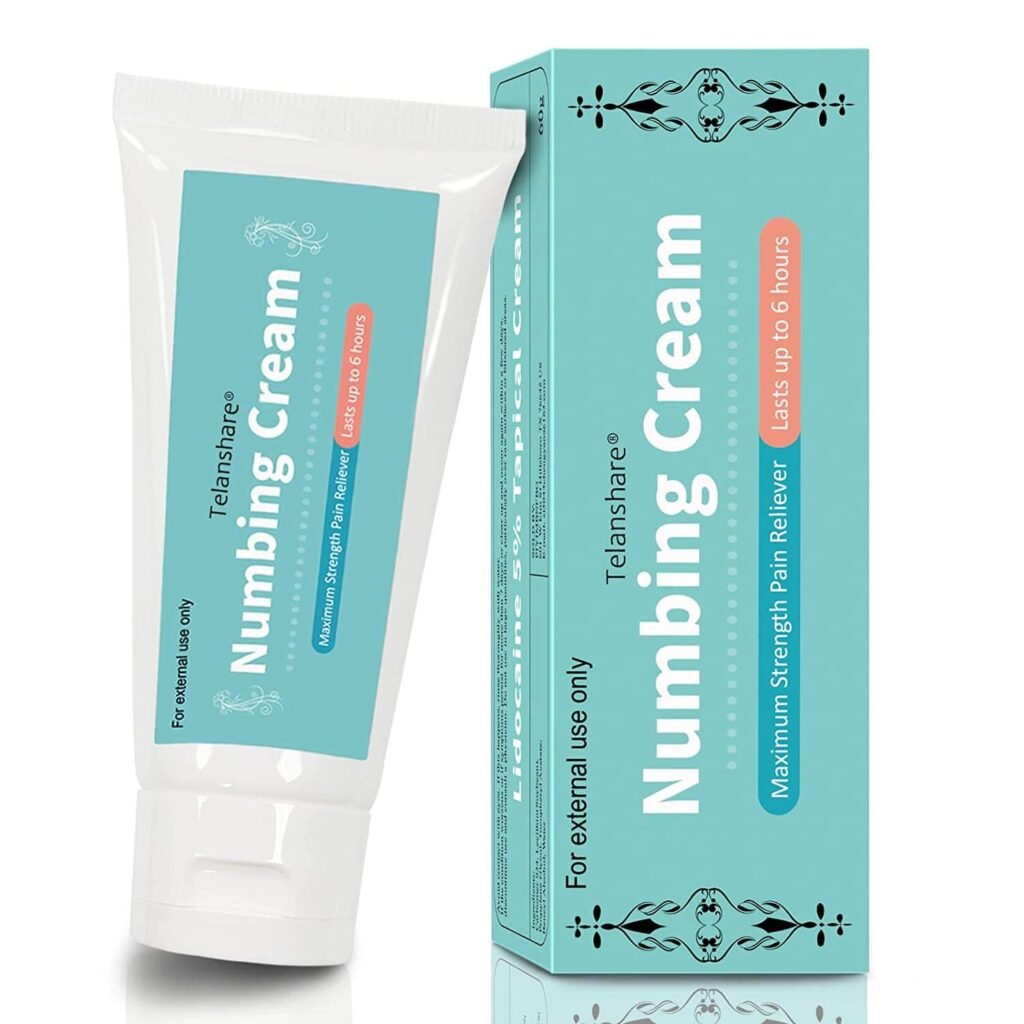
Tattoos are made by repeatedly poking holes in the skin with a needle to inject ink into the dermis layer. Pain from getting a tattoo, especially in sensitive regions, can be lessened with numbing lotions.
3. Hair Removal
Waxing and laser hair removal are two painful methods for removing unwanted hair. Pain and discomfort from these treatments can be mitigated with numbing creams.
4. Piercing
Piercings are made by inserting jewelry through needle holes in the skin. Pain from piercings can be lessened by using numbing lotions.
5. Microblading
The cosmetic treatment known as “microblading” is depositing color into tiny wounds made in the skin with a handheld tool. Topical anesthetic creams can ease the discomfort of this operation.
6. Other Cosmetic Procedures
Numbing creams are not limited to just dermal fillers and chemical peels; they can be used for any cosmetic procedure where pain or discomfort is a concern.
Types of Numbing Creams
Different numbing creams have different mechanisms of action and potential benefits and drawbacks. Common anesthetic creams include the following:
1. Topical Anesthetics
The majority of numbing creams are topical anesthetics. They are effective because they prevent further transmission of pain signals to the brain from the skin and subcutaneous tissues.
Lidocaine, benzocaine, and tetracaine are all examples of local anesthetics. These creams are available without a prescription and have a good track record for safety and efficacy when used correctly.
2. Local Anesthetics
It is common practice for doctors to prescribe local anesthetics before their patients undergo medical procedures. They function by interrupting local nerve signals and are administered through injection into the skin or tissues. Drugs like lidocaine and bupivacaine are examples of local anesthetics.
3. Prescription vs. Over-the-Counter Numbing Creams
Topical anesthetics like lidocaine creams may be purchased without a doctor’s prescription. Certain treatments or types of pain may benefit more from prescription-strength creams, but these creams also have a higher risk of adverse effects. Numbing creams available by prescription should only be used after consulting with a doctor.
4. Creams vs. Sprays vs. Gels
Creams, sprays, and gels are just some of the forms that numbing agents can take. The most frequent variety is a topical cream, which is put to the skin and left on for a set amount of time before the surgery.
Certain operations may even benefit from sprays because of how easily they can be applied locally. Certain medical procedures, such as ultrasound-guided injections, may benefit from the use of gels.
How to Use Numbing Creams
Numbing creams should be applied correctly to ensure their full efficacy and safety. These are some tips for applying topical anesthetics:
A. Precautions and Warnings
It’s crucial to see a doctor about any allergies or health concerns you may have before applying numbing cream. Numbing creams should not be applied to skin that is already damaged or inflamed, as this can increase the likelihood of side effects.
B. Application Methods
Numbing creams can be applied in a variety of ways, such as by rubbing it onto the skin or dabbing it on with a cotton swab. An applicator may be included with some numbing lotions to ensure equal distribution.
C. Timing and Duration of Application
When and for how long a numbing cream is applied depends on both the treatment and the cream. There should be at least 30 minutes between applying the lotion and beginning the treatment. Certain creams may need to be applied more frequently or for longer periods to be effective.
D. Best Practices for Achieving Maximum Effectiveness
It’s vital to use numbing creams exactly as prescribed by your doctor or esthetician for the best results. This could involve doing things like spreading the cream out evenly and giving it time to work. The cream’s efficacy may also be diminished if you cover it with garments or anything else.
Patients should also be informed of the cream’s potential side effects, which include skin irritation or allergic reactions and should discontinue use if these symptoms develop. Finally, patients should discuss any issues or queries they may have with the use of numbing cream with their doctor or aesthetician.
Alternatives to Numbing Creams
Although topical anesthetics like numbing creams can help ease some types of procedure-related pain, there are other options available. Other options apart from topical anesthetics are listed below:
1. Natural Remedies
Natural pain relievers can be helpful for minor discomfort during medical treatments. A cold compress or the application of essential oils like lavender or peppermint may provide some pain relief and reduce inflammation.
2. Ice Packs
It can be helpful to numb the region and lessen any pain associated with the treatment by applying an ice pack to it beforehand. To prevent skin injury, ice should be administered for 20 minutes at a time, followed by a 10-minute break.
3. Pain Relievers
Pain medicines available without a prescription, such as an acetaminophen (Tylenol) or ibuprofen (Advil), can also help patients cope with discomfort. To identify the correct dosage and avoid any potential adverse effects, it is vital to discuss the usage of pain relievers with a healthcare expert.