


1. Drink More Water
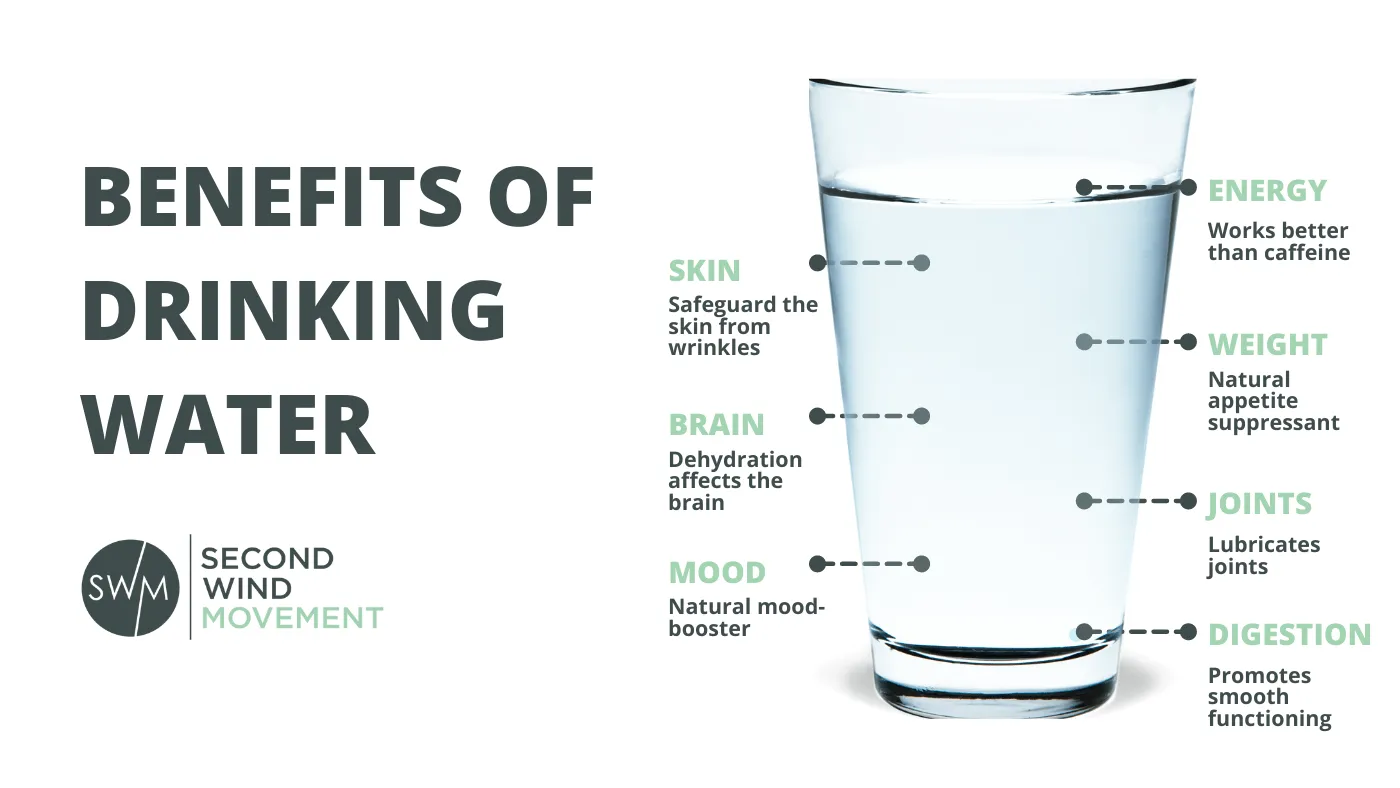
Low blood pressure is often linked to dehydration. Blood plasma is composed of roughly 90% water; when fluid intake is insufficient, overall blood volume decreases, reducing the pressure exerted on blood vessel walls. This can lead to symptoms such as dizziness, fatigue, and fainting. Increasing daily fluid intake helps restore circulating blood volume and supports stable blood pressure. For most adults, consuming approximately 6–12 cups of water per day is a practical target, though individual needs vary based on activity level, climate, and health status. Regular hydration throughout the day is more effective than consuming large amounts at once.
2. Increase Your Salt Intake (Carefully)
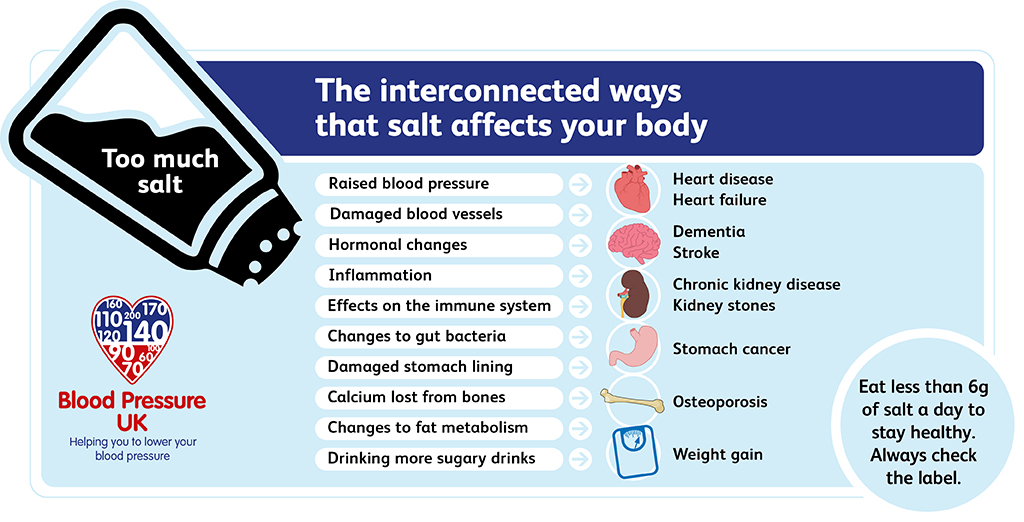
Sodium plays a central role in regulating blood pressure by helping the body retain water. A modest increase in salt intake can raise blood volume and, in turn, blood pressure. (Source) This approach is particularly helpful for individuals whose low blood pressure is linked to low sodium levels. However, balance is critical. Excessive sodium intake is associated with hypertension and cardiovascular disease. Salt should be increased only slightly and ideally under medical guidance, especially for individuals with heart, kidney, or metabolic conditions.

3. Consume Caffeine Strategically
Caffeine is a stimulant that temporarily constricts blood vessels, leading to a short-term rise in blood pressure. Beverages such as coffee or green tea can elevate blood pressure within 30 minutes, with effects lasting up to four hours. While useful as a short-term measure, caffeine is not a long-term solution. Excessive intake may cause jitteriness, anxiety, palpitations, or sleep disturbances. Moderation and timing, such as using caffeine earlier in the day, are essential.
4. Wear Compression Stockings
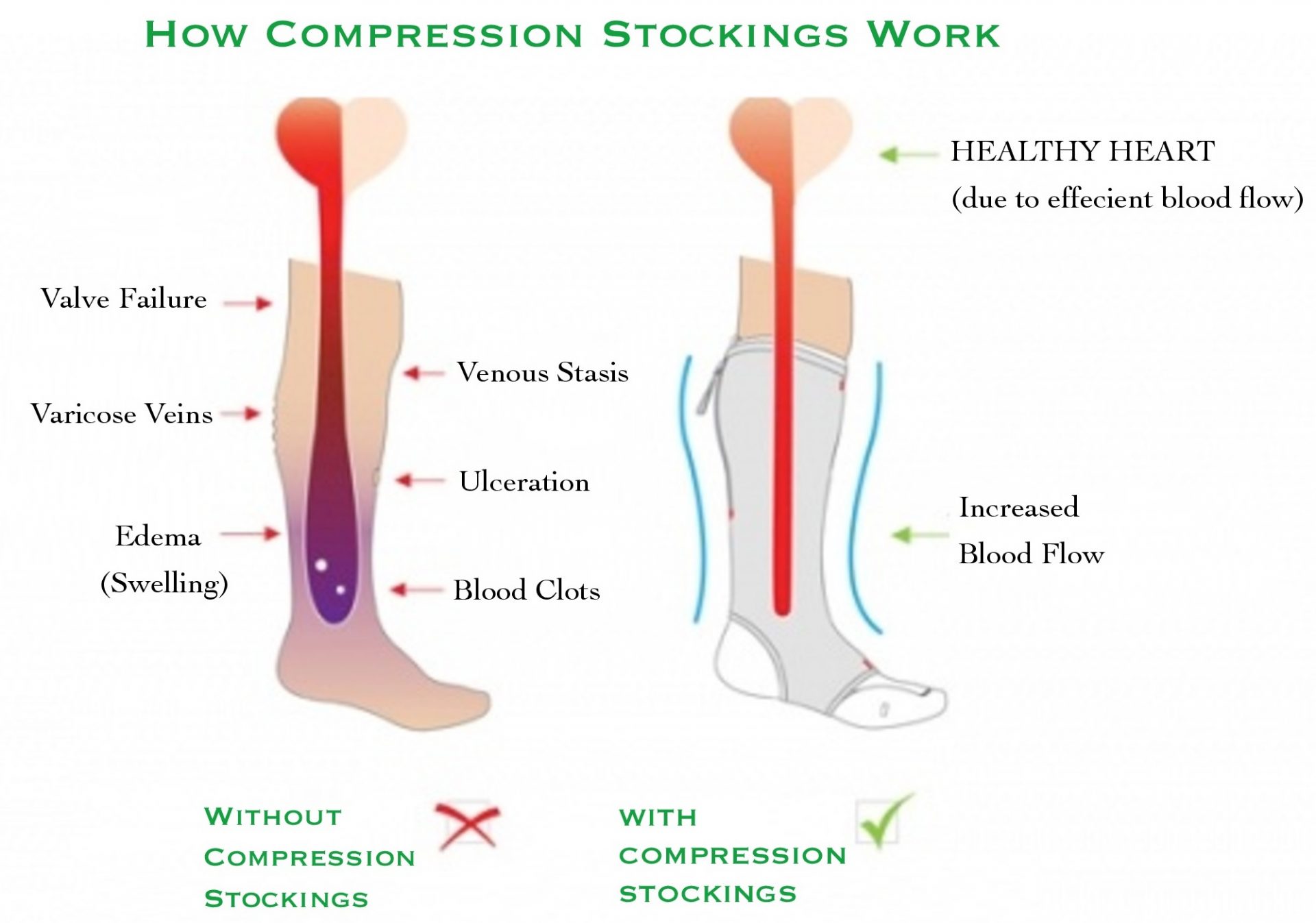
Compression stockings improve circulation by applying graduated pressure to the legs, preventing blood from pooling in the lower extremities. This promotes better blood return to the heart and can help stabilize blood pressure. Knee-high, thigh-high, or waist-high stockings may be used depending on severity and comfort. They are particularly beneficial for individuals who experience dizziness when standing. (Source)
5. Eat Small, Frequent Meals
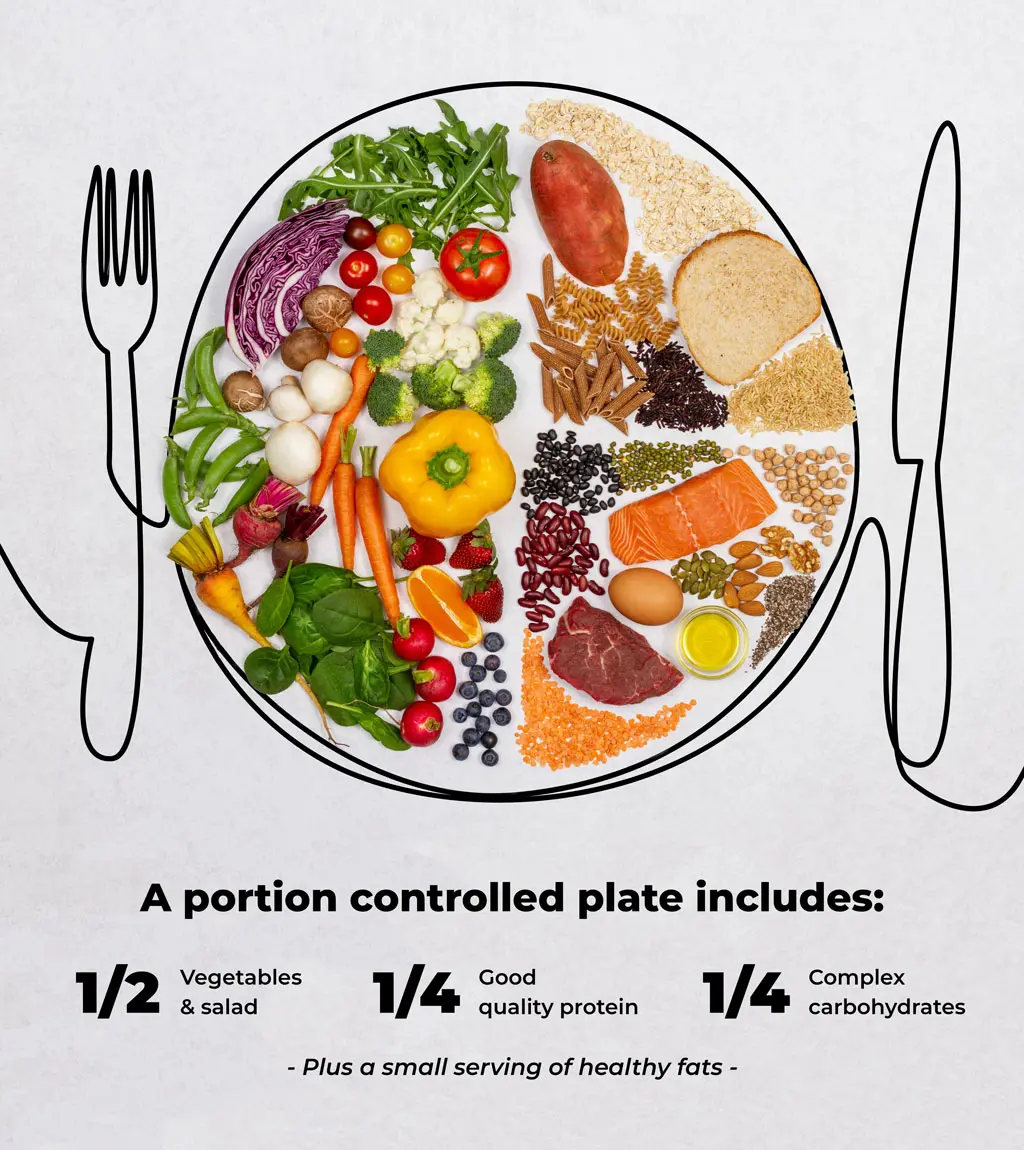
Postprandial hypotension, a drop in blood pressure after meals, is common in older adults and those with certain conditions. Large meals divert blood to the digestive system, reducing circulation elsewhere. Switching to smaller, more frequent meals helps maintain steadier blood pressure and reduces symptoms such as lightheadedness and nausea, supporting overall daily functioning.
Also See: Over 60? This Common Veggie Drops Blood Pressure in Just 2 Weeks | According to a New Study