




People have known for a long time that vitamin C is great for your defense system. Whether it’s a glass of orange juice in the morning or a quick dissolve supplement packet at the first sign of a sniffle, this nutrient has achieved legendary status.
But how much of the hype surrounding vitamin C is truly sound? Based on what we learned from two new pieces, let’s get down to the facts, bust some myths, and look at the real benefits of vitamin C.
Vitamin C and the Immune System: What Does Science Say?
Vitamin C is definitely important for the immune system. As an antioxidant, it fights free radicals and lowers oxidative stress, which can damage cells. (Source)
It also supports immune cells, making them better able to find and get rid of infections. However, the idea that a megadose of vitamin C can prevent or cure a cold is not supported by science.
Research shows that taking large amounts of vitamin C after symptoms appear does not significantly shorten the duration of a cold.
The only people who may be affected by this are those who take high doses of vitamin C every day as a preventative measure, which is not a practical or necessary approach for most people.
Dr. John McDonnell, a pediatric immunologist, stresses that vitamin C does help make colds less severe in some cases, but its effects are modest at best.
Can You Have Too Much of a Good Thing?
While vitamin C is water-soluble, meaning excess amounts are excreted through urine, consuming too much can still cause unwanted side effects. For adults, the upper daily limit is 2,000 mg, but many supplements far exceed this amount.
Overdoing it with vitamin C can lead to issues such as:
- Diarrhea
- Nausea
- Stomach cramps
- Headaches
- Insomnia
- Kidney stones in extreme cases
These symptoms serve as a reminder that more isn’t always better. The body can only absorb about 400 mg of vitamin C at a time, with the rest going to waste.
The Best Way to Get Your Vitamin C: Food First
Nature has packed vitamin C into a variety of fruits and vegetables, making it easy to meet your daily needs through diet alone. Foods rich in vitamin C include:
- Citrus fruits: Oranges, lemons, and grapefruits
- Berries: Strawberries, blueberries, and raspberries
- Vegetables: Broccoli, bell peppers, Brussels sprouts, and kale
- Other sources: Tomatoes, potatoes, parsley, and thyme
Adults need about 65–90 mg of vitamin C per day, which can easily be achieved by eating a balanced diet. For instance, a single orange provides approximately 70 mg of vitamin C, while a cup of chopped bell peppers contains 120 mg.
Whole foods also come with additional nutrients like fiber, vitamins, and antioxidants that supplements cannot replicate.
Vitamin C Deficiency: Rare but Serious
Vitamin C deficiency is rare in wealthy countries because fresh fruits and vegetables are easy to find. But it still happens in some groups, like people who don’t have easy access to food, smokers, and people with certain health conditions like autism.
A severe deficiency can lead to scurvy, a potentially fatal condition characterized by symptoms like:
- Bleeding gums
- Loose teeth
- Skin hemorrhages
- Weakness and discomfort
Fortunately, scurvy can be quickly reversed with adequate vitamin C intake.
Beyond Immunity: The Multitasking Benefits of Vitamin C
Vitamin C’s benefits extend far beyond its role in immunity. It is essential for:
- Collagen production: Supporting skin, blood vessels, cartilage, and wound healing.
- Iron absorption: Helping the body efficiently use dietary iron.
- Bone and teeth health: Particularly important during developmental years.
- Mood improvement: Contributing to neurotransmitter production for better mental health.
Additionally, vitamin C may lower the risk of chronic diseases such as heart disease, cancer, and age-related vision loss. (Source)
The Debate Over Vitamin C Supplements
Even though supplements are an easy way to get more vitamin C, people who eat a healthy diet usually don’t need them.
Supplements might help people who are at risk of not getting enough of something or who are sick, but they should be used with care.
Dr. McDonnell suggests consulting a healthcare provider before starting any supplement regimen, particularly for high doses.
The goal should always be to get all the food you need from natural sources as much as possible.
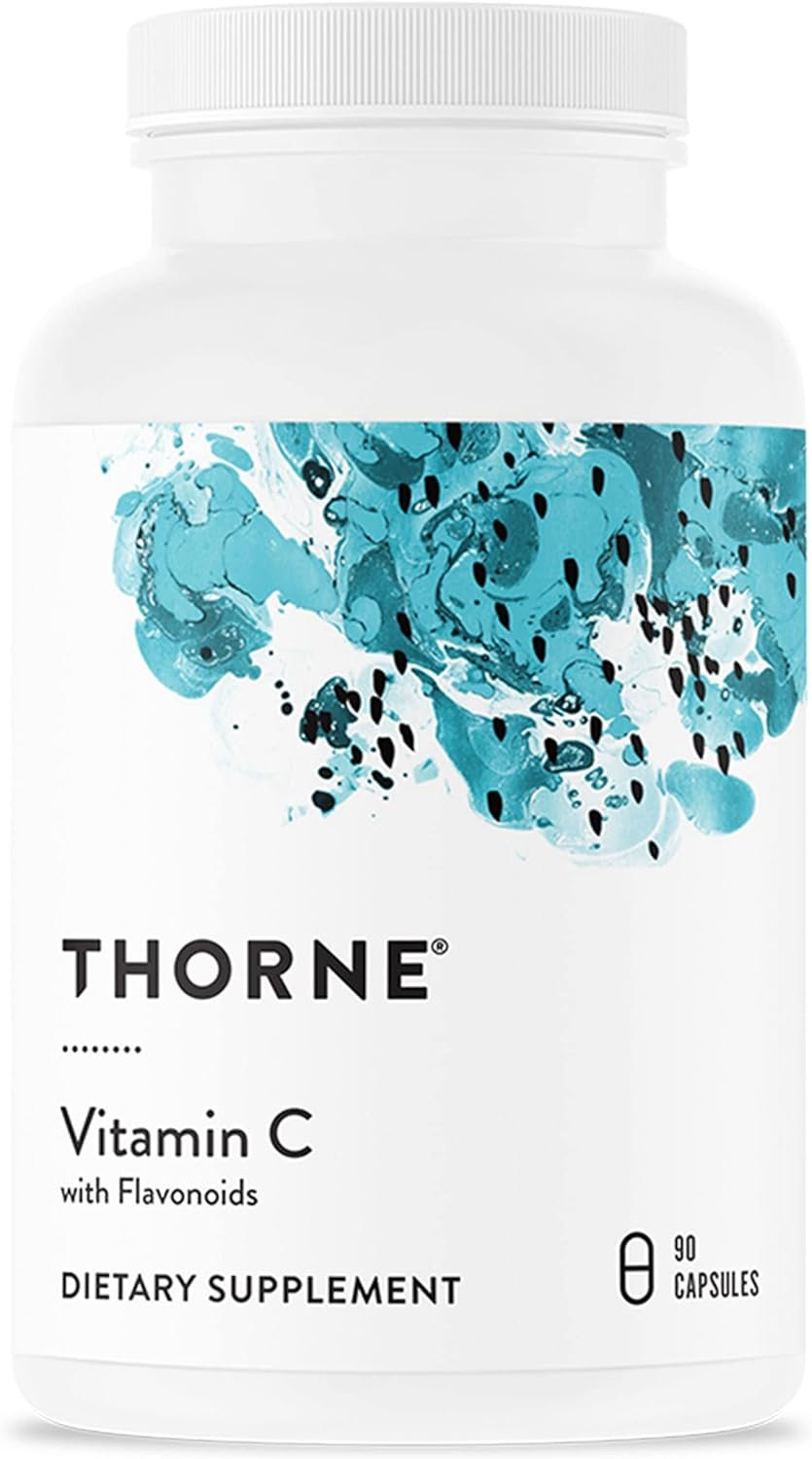
THORNE Vitamin C – Blend of Vitamin C and Citrus Bioflavonoids from Oranges
THORNE Vitamin C capsules blend immune-boosting Vitamin C with citrus bioflavonoids, promoting collagen production, healthy tissue repair, and antioxidative benefits. Gluten-free and trusted by professionals, it’s perfect for overall wellness.
Practical Tips for Maximizing Vitamin C Intake
- Start Your Day with Citrus: Incorporate oranges or grapefruit into your breakfast.
- Snack Smart: Keep berries or sliced bell peppers on hand for a vitamin C-rich snack.
- Enhance Your Meals: Add fresh parsley or thyme to dishes for a subtle boost.
- Choose Whole Over Processed: Fresh fruits and vegetables retain more vitamin C than their processed counterparts.
- Be Mindful of Cooking Methods: Vitamin C is sensitive to heat, so steaming or microwaving vegetables is better than boiling.
The Bottom Line
Vitamin C is undeniably essential for good health, but it’s not the miracle cure many believe it to be. While it supports immune function and overall well-being, consuming excessive amounts does not offer additional benefits and may even cause harm.
The best way to ensure adequate vitamin C intake is through a diet rich in fruits and vegetables. Supplements can be helpful in specific circumstances, but they should never replace a nutritious diet.
In the end, balance is key. By focusing on whole foods and maintaining a healthy lifestyle, you can harness the true power of vitamin C—no megadoses required.