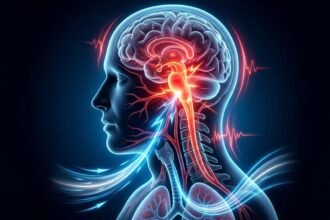



Cardiovascular diseases (CVDs), encompassing conditions like coronary artery disease, arrhythmias, and heart failure, remain the leading cause of mortality worldwide.
These ailments often stem from atherosclerosis—a process where plaque accumulates in the arteries, elevating the risk of heart attacks and strokes.
While medical interventions are paramount, integrating certain dietary elements can offer supplementary benefits.
One such potent dietary component is turmeric, a common kitchen spice renowned for its active compound, curcumin.
Turmeric: A Golden Spice with Therapeutic Potential
Turmeric, derived from the Curcuma longa plant, has been a staple in traditional medicine, particularly in Ayurvedic and Chinese practices, for centuries.
Its vibrant yellow hue is attributed to curcumin, a polyphenolic compound celebrated for its anti-inflammatory and antioxidant properties.
Recent scientific investigations have illuminated curcumin’s potential in promoting heart health.
Anti-Inflammatory and Antioxidant Actions
Chronic inflammation and oxidative stress are pivotal in the progression of CVDs. Curcumin exerts anti-inflammatory effects by modulating various signaling pathways, thereby reducing the production of pro-inflammatory cytokines.
Additionally, its antioxidant properties neutralize reactive oxygen species, mitigating oxidative damage to cardiovascular tissues.
Enhancement of Endothelial Function
The endothelium, a thin membrane lining the heart and blood vessels, plays a crucial role in vascular health. Endothelial dysfunction is a precursor to atherosclerosis and hypertension.
Studies have demonstrated that curcumin can improve endothelial function, promoting vasodilation and thereby aiding in blood pressure regulation.
Lipid Profile Improvement
Elevated levels of low-density lipoprotein (LDL) cholesterol are a significant risk factor for atherosclerosis.
Research indicates that curcumin supplementation can lead to reductions in total cholesterol and LDL levels, contributing to a more favorable lipid profile.
Inhibition of Platelet Aggregation
Platelet aggregation is a critical step in thrombus formation, which can obstruct blood flow and result in heart attacks or strokes.
Curcumin has been found to inhibit platelet aggregation, thereby reducing the risk of clot formation.
Protection Against Myocardial Injury
Ischemia-reperfusion injury, damage caused when blood supply returns to the tissue after a period of ischemia or lack of oxygen, is a concern during events like heart attacks.
Curcumin has shown promise in protecting cardiac tissue from such injuries by modulating oxidative stress and inflammatory responses.
Clinical Evidence Supporting Curcumin’s Cardiovascular Benefits
A study published in the Journal of the American Heart Association found that consuming turmeric was associated with a decreased risk of overall and cardiovascular mortality.
Another research article highlighted that curcumin suppresses cardiomyocyte hypertrophy and fibrosis, significantly reducing myocardial stress markers without altering blood pressure.
Incorporating Turmeric into Your Diet
To harness the cardiovascular benefits of turmeric, consider the following methods:
- Culinary Use: Incorporate turmeric into daily cooking. Its mild flavor complements a variety of dishes, from curries to soups and smoothies.
- Golden Milk: A traditional beverage made by mixing turmeric with warm milk (dairy or plant-based), often enhanced with black pepper and honey. This concoction not only offers heart health benefits but also supports overall well-being. (Source)
- Supplements: For those seeking concentrated doses, curcumin supplements are available. It’s essential to choose formulations with enhanced bioavailability, often achieved by combining curcumin with piperine (found in black pepper) or using specialized delivery systems. (Source)
Safety and Precautions
While turmeric is generally safe for consumption, it’s crucial to be aware of potential interactions and side effects:
- Medication Interactions: Curcumin can interact with blood thinners and medications that reduce stomach acid. Consult with a healthcare provider before starting supplementation, especially if you’re on medication.
- Digestive Discomfort: High doses may cause gastrointestinal issues in some individuals. It’s advisable to start with smaller amounts to assess tolerance.
- Pregnancy and Gallbladder Issues: Pregnant women and individuals with gallbladder disease should exercise caution and seek medical advice before incorporating significant amounts of turmeric into their diet.