



When people think about blood sugar spikes, table sugar usually gets all the blame.
But surprisingly, many everyday foods raise blood glucose levels faster and higher than sugar itself.
Understanding why this happens is essential, especially as diabetes and other diet-related diseases continue to rise worldwide.
At its core, diabetes is about how the body processes glucose. In type 1 diabetes, the pancreas produces little or no insulin.
In type 2 diabetes, insulin is present, but the body cannot use it efficiently. In both cases, food choices play a central role.
Every meal – particularly those rich in carbohydrates – triggers changes in blood sugar. However, not all carbohydrates behave the same way once they enter your system.
The Glycemic Index: Why Some Carbs Are Worse Than Sugar
This is where the glycemic index (GI) becomes important. GI is a ranking system that measures how quickly carbohydrate-containing foods raise blood sugar levels.
High-GI foods are digested rapidly, causing sharp glucose spikes.
Low-GI foods break down more slowly, leading to gradual and steadier increases in blood sugar.
For people managing diabetes or anyone trying to maintain stable energy levels, slower glucose release is ideal.
Unfortunately, many modern diets are packed with high-GI, processed foods that deliver glucose into the bloodstream at lightning speed.
Common Foods That Spike Blood Sugar Faster Than Sugar
Several popular foods often appear “harmless” but can cause stronger blood sugar responses than plain sugar:
White bread and refined flour products
White bread is made from highly processed flour that lacks fiber. Without fiber to slow digestion, glucose enters the bloodstream quickly, leading to sharp spikes.
White rice
Although widely consumed, white rice has had its bran and germ removed, stripping away fiber and nutrients. The result is a high-GI food that converts to glucose rapidly.
Breakfast cereals like cornflakes
Many packaged cereals are heavily processed and digested quickly. Despite being marketed as healthy, they often cause rapid blood sugar surges.
Mashed and fried potatoes
Potatoes, especially when mashed or fried, are broken down into glucose almost immediately. Their preparation method further increases their glycemic impact.
Baked goods and pastries
Cakes, cookies, and other baked items typically combine refined carbohydrates with added sugars, creating a double hit to blood sugar control.
Fruit juices
While whole fruits contain fiber that slows sugar absorption, fruit juices remove most of that fiber. What remains is concentrated natural sugar that behaves similarly to a sugary drink.
Instant noodles
Instant noodles are another form of refined carbohydrates with a high glycemic load. They digest rapidly and often come with added sodium and unhealthy fats.
Why This Matters for Long-Term Health
Diet-related diseases such as diabetes and heart disease are among the leading causes of global illness and death.
According to global health data, unhealthy diets contribute significantly to non-communicable diseases, which account for tens of millions of deaths worldwide in recent years.
Regular blood sugar spikes increase insulin demand, promote fat storage, raise inflammation, and accelerate the risk of metabolic disorders.
Learning how food affects blood sugar is not just about diabetes management; it is about long-term disease prevention and overall metabolic health.
Smart Dietary Strategies to Control Blood Sugar
The good news is that small dietary adjustments can make a major difference:
Choose low-GI foods
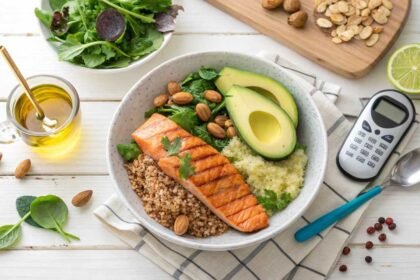
Swap refined grains for whole grains such as oats, brown rice, quinoa, and whole wheat. These contain fiber that slows glucose absorption.
Eat whole fruits instead of juices
Whole fruits provide fiber, antioxidants, and nutrients while preventing rapid sugar spikes.
Pair carbs with protein and healthy fats
Combining carbohydrates with foods like nuts, yogurt, eggs, or lean protein slows digestion and reduces glucose surges.
Start meals with fiber-rich vegetables
Eating salads or cooked vegetables before carbohydrate-rich foods helps slow down sugar absorption later in the meal.
Avoid refined carbs on an empty stomach
Consuming processed carbs alone can lead to rapid spikes. Instead, choose beans, lentils, vegetables, or balanced meals that include protein and fiber.
The Bottom Line
Sugar isn’t the only problem and in many cases, it’s not even the biggest one.
Highly processed foods, refined grains, and low-fiber meals often spike blood sugar faster than sugar itself.
By understanding the glycemic index and making smarter food combinations, you can stabilize blood sugar levels, improve energy, and protect your long-term health.
The key isn’t eliminating carbohydrates, but choosing the right ones and eating them the right way.