


For decades, nutrition experts and the public have debated whether cutting carbohydrates or reducing fat is the better approach for improving heart health.
But a new large-scale study suggests the answer may not lie in choosing one over the other.
Instead, the quality of the foods within those diets appears to matter far more than the amount of carbohydrates or fat consumed.
The research, published in February in the Journal of the American College of Cardiology (JACC), examined how different versions of low-carbohydrate and low-fat diets influence the risk of coronary heart disease.
Researchers found that diets emphasizing high-quality, plant-based foods and limiting refined carbohydrates and animal products were linked to a lower risk of heart disease.
The study analyzed data from nearly 200,000 participants enrolled in three long-running health studies in the United States: the Nurses’ Health Study, the Nurses’ Health Study II, and the Health Professionals Follow-Up Study.
Participants were tracked for more than 30 years, covering over 5 million person-years of observation.
During that time, more than 20,000 cases of coronary heart disease were recorded.
Researchers evaluated participants’ diets through repeated food-frequency questionnaires and categorized eating patterns into healthy and unhealthy versions of both low-carb and low-fat diets.
The results revealed a striking pattern: both diet types could either reduce or increase heart disease risk depending on the foods people consumed.
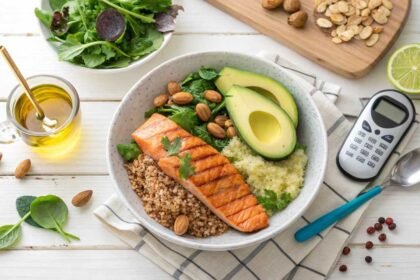
Healthy versions of low-carb and low-fat diets, those rich in whole grains, fruits, vegetables, nuts, legumes, and unsaturated fats – were associated with about a 15% lower risk of coronary heart disease.
On the other hand, diets high in refined carbohydrates such as white bread and sugary foods, as well as animal-based fats and proteins, were linked to a higher risk.
“These findings highlight the critical role of diet quality,” the researchers noted, emphasizing that healthy versions of both dietary approaches may support cardiovascular health through similar biological pathways.
In addition to reducing disease risk, healthier versions of the diets were associated with improved metabolic markers.
Participants who followed high-quality dietary patterns had higher levels of HDL cholesterol – often referred to as “good cholesterol”, and lower triglyceride levels, both indicators of better cardiovascular health.
Experts say the study helps clarify a long-standing nutritional controversy.
According to Dr. Carlos Macias, a cardiac electrophysiologist at UCLA Health who was not involved in the research, the debate between low-carb and low-fat diets may have overlooked a more important factor.
“In the past, there was probably too much focus on the label ‘low-carb’ or ‘low-fat’ without asking what people were actually eating,” Macias explained.
Instead of focusing on macronutrient labels alone, he said, dietary recommendations should prioritize the types and quality of foods consumed.
This perspective aligns with a growing body of research suggesting that plant-forward diets rich in whole foods can significantly reduce cardiovascular risk.
Diets that emphasize fruits, vegetables, and whole grains while limiting highly processed foods and saturated fats have long been associated with improved heart health and lower mortality rates.
However, researchers caution that the study is observational, meaning it cannot prove direct cause and effect.
Participants also self-reported their dietary habits, which may introduce some inaccuracies.
Despite these limitations, the large sample size and decades-long follow-up provide valuable insights into how long-term eating patterns affect cardiovascular health.
Ultimately, the findings suggest that the question of “low-carb versus low-fat” may be less important than previously thought.
Both dietary approaches can support heart health – if they are built around nutrient-dense, plant-based foods rather than processed ingredients.
As nutrition science evolves, experts increasingly agree on a simple takeaway: for a healthier heart, focus less on cutting specific nutrients and more on choosing wholesome, high-quality foods.