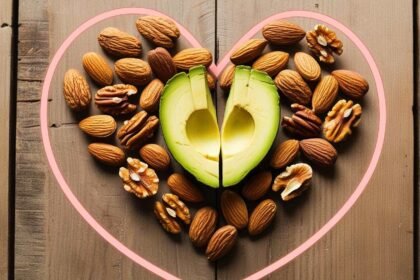




Living with diabetes doesn’t mean giving up sweet treats altogether. The key is choosing snacks that balance natural sweetness with fiber, healthy fats, and a lower impact on blood glucose levels.
Smart snacking can help stabilize energy, curb cravings, and support long-term metabolic health.
Below are three sweet, diabetes-friendly snack options that offer flavor, nutrition, and blood sugar control when enjoyed in moderation.
Dark Chocolate: A Guilt-Free Indulgence

Dark chocolate is often viewed as an indulgence, but when chosen wisely, it can be a functional snack for people managing blood sugar.
Compared to milk chocolate, dark chocolate contains less sugar, fewer carbohydrates, and more beneficial plant compounds.
A typical 1-ounce (28-gram) serving contains around 13 grams of carbohydrates, making portion control more manageable.
What makes dark chocolate especially valuable is its high flavonoid content. Flavonoids are powerful antioxidants that may help improve insulin sensitivity and reduce inflammation.
For individuals with type 2 diabetes, these effects are important because insulin resistance and cardiovascular risk often go hand in hand.
When selecting dark chocolate, aim for products with at least 70% cocoa content. Higher cocoa percentages usually mean lower added sugar and a greater concentration of antioxidants.
To avoid overconsumption, enjoy a small square after a meal or pair it with a handful of nuts.
The combination of healthy fats and protein helps slow digestion and prevent rapid spikes in blood sugar.
Pears: Naturally Sweet and Fiber-Rich
Pears are a naturally sweet fruit that can fit comfortably into a diabetes-friendly diet thanks to their impressive fiber content.
One cup (about 140 grams) of sliced pears provides over 4 grams of fiber.
Fiber plays a crucial role in slowing the absorption of sugar into the bloodstream, which helps prevent sudden blood glucose spikes after eating.
Another benefit of pears is their versatility. You can enjoy them fresh as a quick grab-and-go snack, or prepare them in creative ways.
Thinly sliced pear “chips,” baked at low heat, deliver a crunchy texture that mimics processed snacks without the added sugars and refined carbohydrates.
For better blood sugar control, pair pears with a source of protein or fat, such as cottage cheese, yogurt, or a small handful of almonds.
This combination improves satiety and supports steadier glucose levels.
Because pears are naturally hydrating and nutrient-dense, they also contribute to overall digestive and heart health.
Apples: A Balanced and Convenient Choice
Apples are one of the most accessible and budget-friendly fruits, and they offer several advantages for people with diabetes.
One medium apple contains around 27.6 grams of carbohydrates and nearly 5 grams of fiber.
This fiber content, combined with apples’ low glycemic index, means they have a slower, more controlled effect on blood sugar compared to many other sweet snacks.
Research suggests that eating an apple before a carbohydrate-heavy meal may help reduce post-meal blood sugar spikes.
This effect is likely due to the fruit’s fiber and polyphenols, which influence how glucose is absorbed and metabolized.
For a simple snack, slice an apple and sprinkle a little cinnamon on top. Cinnamon not only enhances flavor but may also support improved insulin sensitivity.
Another great option is pairing apple slices with peanut butter.
This adds protein and healthy fats, creating a more balanced snack that keeps you full longer and minimizes blood sugar fluctuations.